
Why Digital Wardrobe Apps Are Becoming Popular Among Fashion Lovers
Fashion and technology are becoming more connected every year, and one of the fastest-growing lifestyle trends in 2026 is the rise of digital wardrobe apps. Fashion lovers today are no longer relying only on physical closets, traditional styling habits, or spontaneous shopping decisions. Instead, many consumers are turning toward virtual closet apps and AI-powered wardrobe management systems to organize outfits, plan styling combinations, and manage fashion choices more efficiently. Because of this growing digital shift, digital wardrobe apps are becoming increasingly popular among fashion lovers across the world.
Modern consumers now live in highly connected digital environments where convenience, personalization, and organization strongly influence everyday lifestyle decisions. Fashion is no longer limited to physical shopping experiences alone. People today use technology to discover trends, follow influencers, plan outfits, and track personal style preferences online.
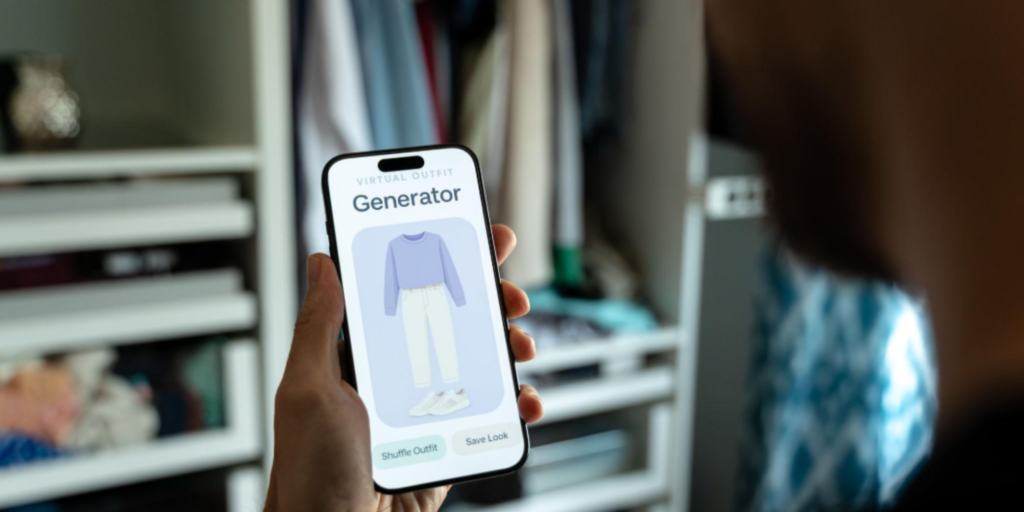
Digital wardrobe apps help users upload clothing photos, organize wardrobes virtually, create outfit combinations, plan daily looks, and receive personalized styling suggestions through artificial intelligence. These smart fashion tools are especially attractive to consumers who want to simplify wardrobe management while improving personal style organization.
Social media culture has also accelerated the popularity of virtual styling technology because fashion lovers constantly seek outfit inspiration, styling efficiency, and visually organized fashion lifestyles. Younger generations especially enjoy using digital tools to experiment with fashion aesthetics and maintain organized style identities online.
At the same time, the rapid growth of AI wardrobe management has created both excitement and concern. While many users appreciate convenience and smart planning, others worry that excessive digital dependence may reduce spontaneity, emotional creativity, and natural fashion experimentation.
Digital Wardrobe Apps Simplify Fashion Organization
One of the biggest reasons why digital wardrobe apps are becoming popular among fashion lovers is because they simplify clothing organization in highly practical ways.
Many people own large wardrobes but still struggle daily with outfit planning, repeated clothing use, and forgotten fashion items hidden inside crowded closets. Virtual closet apps solve this problem by allowing users to digitize their wardrobe and organize clothing visually through smartphones or tablets.
Consumers can categorize clothing by color, season, occasion, brand, fabric, or style preference, making outfit planning significantly easier.
Digital fashion organization helps users understand what they already own instead of purchasing unnecessary duplicate products repeatedly.
Many fashion lovers appreciate this convenience because traditional wardrobe management often becomes stressful and time-consuming, especially for busy lifestyles.
At the same time, some users may initially feel overwhelmed by the effort required to upload and organize every clothing item digitally.
AI Technology Is Improving Outfit Recommendations
Artificial intelligence is playing a major role in the growth of digital wardrobe apps. AI fashion apps can now analyze personal clothing collections and suggest outfit combinations based on weather conditions, events, seasonal trends, and style preferences.
Smart outfit planning apps help users coordinate colors, patterns, accessories, and fashion pieces more efficiently than manual styling alone.
AI wardrobe management systems learn from user behavior over time, gradually improving personalized outfit suggestions according to individual fashion habits and preferences.
Consumers increasingly enjoy receiving curated outfit ideas because it reduces decision fatigue during busy mornings or social events.
Personalized outfit apps also encourage users to experiment with combinations they may not have considered independently, making fashion styling feel more creative and engaging.
However, algorithm-based recommendations may occasionally feel repetitive or overly trend-focused, limiting originality and spontaneous fashion creativity for some users.
Social Media Culture Is Driving Fashion Planning
Social media has strongly influenced the rise of digital wardrobe apps because online fashion culture now plays a major role in personal style decisions.
Platforms like Instagram, Pinterest, TikTok, and YouTube constantly expose users to fashion influencers, outfit inspirations, seasonal aesthetics, and celebrity styling trends.
Fashion lovers increasingly want organized wardrobes that help them create visually appealing outfits suitable for digital sharing and social visibility.
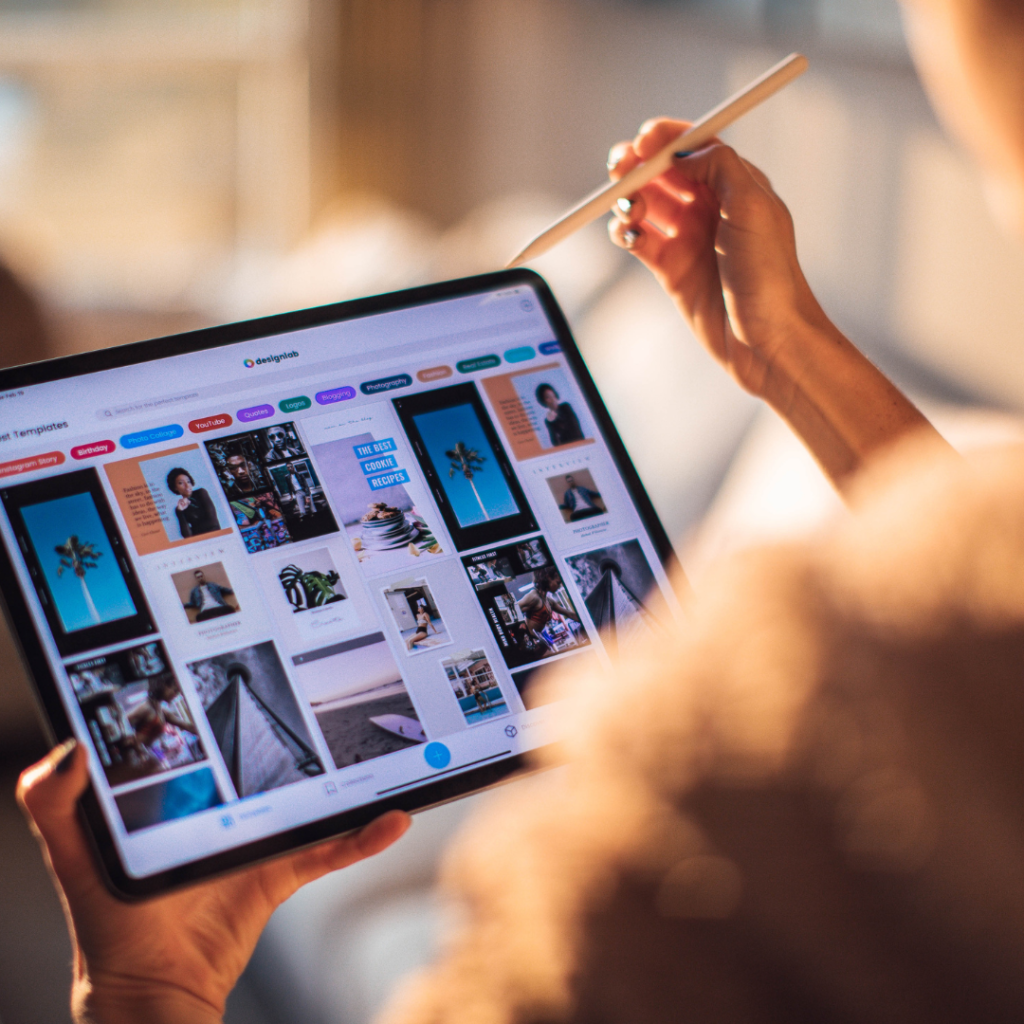
Online fashion planning through digital wardrobe apps allows users to prepare coordinated looks for photoshoots, events, vacations, and social media content more efficiently.
Virtual closet apps also help influencers and content creators avoid repeating similar outfits too frequently online by tracking previous fashion combinations digitally.
At the same time, social media-driven fashion pressure may encourage excessive focus on appearance and highly curated style presentation.
Digital Wardrobe Apps Support Sustainable Fashion Habits
Sustainability has become another major reason why digital wardrobe apps are gaining popularity among modern consumers.
Many people purchase unnecessary clothing because they forget what already exists in their wardrobes or struggle to style existing items effectively.
Digital closet management encourages more thoughtful consumption by helping users maximize clothing usage through better outfit planning and wardrobe visibility.
Consumers often realize they already own versatile pieces that can create multiple styling combinations without requiring additional shopping.
Fashion technology trends in 2026 strongly reflect growing awareness regarding overconsumption, textile waste, and environmental concerns linked to fast fashion culture.
Smart wardrobe apps support slow fashion habits by encouraging users to value and reuse clothing more consciously instead of constantly chasing new purchases.
However, some users may still use fashion apps mainly to track trends and increase shopping behavior rather than reduce consumption.
Personalized Fashion Experiences Increase User Engagement
Modern consumers increasingly expect personalized digital experiences across every lifestyle category, including fashion.
Digital wardrobe apps create stronger user engagement because they provide customized outfit planning, style suggestions, wardrobe statistics, and shopping recommendations tailored to individual preferences.
Fashion lovers appreciate tools that understand personal aesthetics, favorite colors, seasonal habits, and everyday dressing routines.
Personalized fashion experiences make users feel emotionally connected with technology because styling recommendations become more relevant and practical over time.
Many virtual styling technology platforms now include AI-generated fashion advice, occasion-based outfit planning, and style tracking systems that improve long-term wardrobe organization.
At the same time, excessive personalization based on algorithms may gradually reduce independent fashion experimentation and individual styling confidence for some consumers.
Fashion Lovers Want Better Time Management
Busy lifestyles are another major factor contributing to the popularity of digital wardrobe apps.
Many people struggle with daily outfit selection, especially professionals, students, influencers, travelers, and social media creators managing fast-moving routines.
Smart outfit planning apps save time by preparing pre-organized looks for workdays, events, vacations, or weather changes.
Consumers appreciate reducing stress during morning routines because outfit planning becomes faster and more efficient through digital organization.
AI wardrobe management systems also help users track frequently worn items, seasonal clothing rotation, and packing lists for travel convenience.
Fashion lovers increasingly value efficiency because modern digital lifestyles prioritize speed, convenience, and smart organization across everyday activities.
Virtual Closet Apps Encourage Fashion Creativity
Although some critics worry that AI styling tools reduce originality, many users actually feel more creative when using virtual closet apps.
Digital wardrobe apps allow fashion lovers to experiment with outfit combinations visually before wearing them physically.
Users can test different styling ideas, compare accessories, create mood-based looks, and build fashion collections according to personal aesthetics.
Fashion lifestyle apps often inspire consumers to rediscover neglected clothing pieces and create fresh combinations using existing wardrobes.
This digital experimentation makes styling feel more playful and interactive, especially for younger users comfortable with technology-based creativity.
However, relying too heavily on digital styling suggestions may reduce emotional intuition and natural fashion spontaneity over time.

Fashion Ecommerce Is Integrating Wardrobe Technology
Many online fashion retailers are now integrating wardrobe organizer apps directly into ecommerce platforms.
Consumers can connect virtual closets with shopping apps to receive personalized product recommendations matching existing wardrobe items.
Fashion ecommerce companies increasingly use digital wardrobe management to improve customer engagement, product discovery, and styling convenience.
AI fashion apps can suggest clothing purchases based on wardrobe gaps, seasonal needs, or preferred style combinations.
This integration creates smoother shopping experiences because consumers receive recommendations that feel more practical and personalized.
At the same time, ecommerce-driven wardrobe systems may encourage impulsive shopping behavior through highly targeted product suggestions.
Younger Generations Are Driving Adoption
Younger consumers are especially responsible for the rapid rise of digital wardrobe apps because they already integrate technology deeply into daily routines.
Generation Z and millennial users are highly comfortable with mobile apps, AI-driven personalization, and digital fashion experiences.
These consumers often enjoy organizing personal style visually and sharing fashion inspiration online through digital communities.
Fashion technology trends 2026 clearly show that younger generations value convenience, personalization, and digital efficiency strongly within lifestyle management.
Virtual styling technology also appeals to younger users because it combines creativity, social media culture, and smart organization in a highly interactive format.
However, critics sometimes argue that constant digital management may reduce emotional simplicity and organic personal style development.
Privacy and Data Concerns Are Growing
Despite the convenience of AI wardrobe management, privacy concerns are becoming increasingly important.
Digital wardrobe apps often collect detailed information regarding clothing preferences, shopping behavior, body measurements, style habits, and purchasing interests.
Some users worry about how fashion technology companies use personal data for marketing, advertising, or consumer behavior analysis.
Consumers increasingly expect transparency regarding data security and responsible technology practices from fashion lifestyle apps.
Balancing personalization with privacy protection will likely remain an important challenge for future fashion technology platforms.
Future of Digital Wardrobe Apps
The future of digital wardrobe apps appears extremely strong as artificial intelligence, virtual reality, and personalized fashion technology continue advancing rapidly.
Future smart wardrobe apps may include virtual fitting rooms, AI-generated fashion collections, automated seasonal planning, and digital avatars capable of modeling outfits in real time.
Fashion lovers will likely continue seeking tools that simplify wardrobe organization while improving styling creativity and shopping efficiency.
At the same time, maintaining balance between technology convenience and authentic personal expression will remain important within evolving digital fashion culture.
Fashion technology will likely become even more integrated into everyday lifestyle management, making virtual wardrobe systems increasingly common among modern consumers.
Conclusion
Why digital wardrobe apps are becoming popular among fashion lovers can be understood through changing lifestyle habits, growing digital convenience, personalized fashion experiences, and increasing interest in smart organization tools. Virtual closet apps and AI wardrobe management systems help consumers simplify outfit planning, improve styling creativity, reduce unnecessary shopping, and manage fashion choices more efficiently.
Social media culture, sustainability awareness, and mobile-first lifestyles have further accelerated the popularity of digital fashion organization across global consumer markets.
Although concerns related to privacy, digital dependency, and reduced spontaneity continue growing, smart wardrobe apps remain one of the most influential fashion technology trends shaping modern consumer behavior in 2026.
As artificial intelligence and digital personalization continue evolving, digital wardrobe apps will likely become an even more important part of future fashion lifestyles and smart shopping experiences.
More Blogs you may read
Desk-to-Dinner Outfit Ideas: Stylish Looks That Transition Effortlessly From Office to Evening 2026
Desk-to-Dinner Outfit Ideas Modern lifestyles often require clothing that adapts...
Read More
Caring for Luxury Clothing: The Complete Guide to Preserve Premium Fashion for Years 2026
Caring for Luxury Clothing Luxury clothing is more than a...
Read MoreAI Fabric Matching Tools: How Artificial Intelligence Is Transforming Fabric Selection and Fashion Design 2026
AI Fabric Matching Tools The fashion industry has always relied...
Read More