
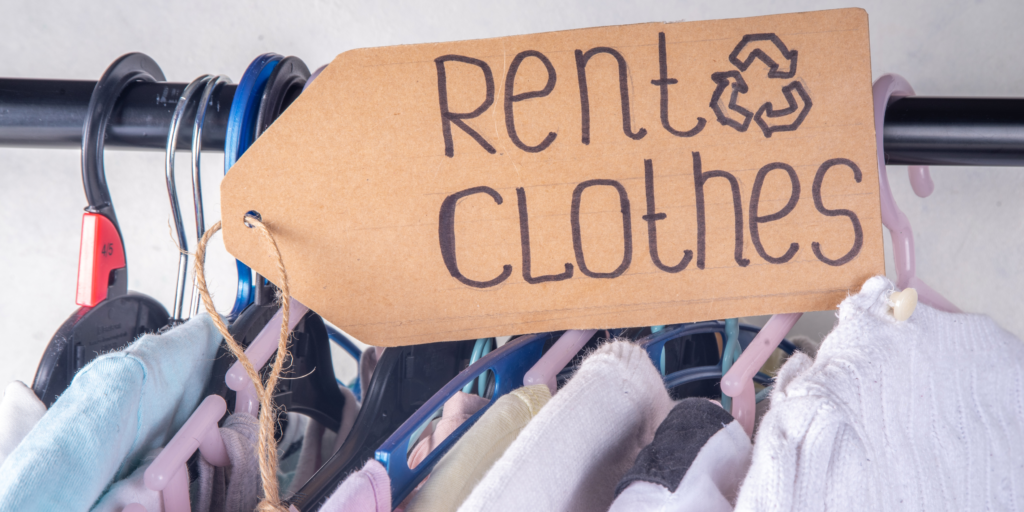
Is Renting Clothes the Future of Fashion?
The fashion industry is experiencing one of the biggest transformations in modern consumer culture, and one trend gaining rapid attention in 2026 is clothing rental. For decades, fashion shopping focused heavily on ownership, where consumers purchased clothing to build personal wardrobes and long-term collections. However, changing lifestyles, rising fashion costs, sustainability concerns, and digital convenience are now reshaping how people think about clothing consumption. Because of these shifts, many experts and consumers are asking an important question: is renting clothes the future of fashion?
Fashion rental trends have expanded dramatically over the last few years as consumers increasingly prioritize flexibility, affordability, and sustainability over traditional ownership habits. Clothing rental services now allow people to wear luxury outfits, designer collections, occasion wear, and trendy styles temporarily without purchasing them permanently.
The rise of online clothing rental platforms reflects broader changes happening in consumer behavior and digital shopping culture. Younger generations especially are becoming more comfortable with subscription-based lifestyles where access is valued more than ownership.
Social media culture has also accelerated the popularity of fashion rental services because consumers often want fresh outfits for events, photoshoots, vacations, weddings, and online content without repeatedly investing in expensive purchases.
At the same time, clothing rental culture creates both enthusiasm and debate. While many people appreciate affordability and sustainable fashion benefits, others still value emotional attachment, personal ownership, hygiene confidence, and long-term wardrobe identity.
Fashion Consumers Are Changing Their Shopping Habits
One of the biggest reasons clothing rental services are growing rapidly is because modern consumers are changing how they view fashion ownership.
In previous generations, owning clothing represented stability, status, and long-term value. Today, many consumers — especially younger audiences — prioritize flexibility, convenience, and experience over permanent ownership.
Fashion consumer behavior has evolved because digital culture encourages fast-changing trends and highly visible personal style expression. Social media users often prefer wearing different outfits regularly rather than repeating the same clothing online repeatedly.
Rent clothes online platforms satisfy this demand by giving consumers access to changing fashion styles without requiring full purchase commitments.
Fashion subscription services also fit well within modern digital lifestyles where streaming, subscriptions, and shared-access models already dominate entertainment, transportation, and technology industries.
However, some consumers still feel emotionally connected to clothing ownership and prefer building permanent wardrobes reflecting personal memories and identity.
Social Media Is Fueling Clothing Rental Culture
Social media has become one of the strongest driving forces behind fashion rental trends in 2026.
Platforms like Instagram, TikTok, Pinterest, and YouTube constantly expose users to influencer fashion, celebrity styling, luxury aesthetics, and event-based outfit culture.
Consumers increasingly feel pressure to appear visually fresh online, especially during weddings, vacations, parties, photoshoots, and social gatherings.
Clothing rental services help users access premium outfits temporarily without investing large amounts of money in garments worn only once or twice.
Luxury fashion rental has become especially popular among social media users who want high-end styling experiences without purchasing expensive designer collections permanently.
Fashion sharing economy models allow consumers to participate in premium fashion culture more affordably and flexibly.
At the same time, social media-driven outfit culture may also encourage excessive appearance pressure and emotionally exhausting fashion consumption habits.
Sustainability Is Driving Fashion Rental Growth
Sustainable fashion rental has become one of the most important reasons why clothing rental services are expanding globally.
The fast fashion industry has faced increasing criticism for environmental damage, textile waste, water consumption, and overproduction. Consumers today are becoming more aware of how fashion consumption impacts the environment.
Clothing rental platforms promote shared fashion usage, allowing garments to be worn multiple times by different users instead of remaining unused in personal wardrobes.
This model supports eco-friendly fashion trends by reducing unnecessary clothing production and encouraging more responsible consumption habits.
Many consumers now view fashion rental as a smarter alternative to impulse shopping and disposable trend-based purchasing.
Fashion rental trends align closely with growing interest in sustainability, minimalism, and conscious consumer behavior.
However, some critics argue that shipping, packaging, and cleaning processes within rental businesses may still create environmental challenges if not managed responsibly.
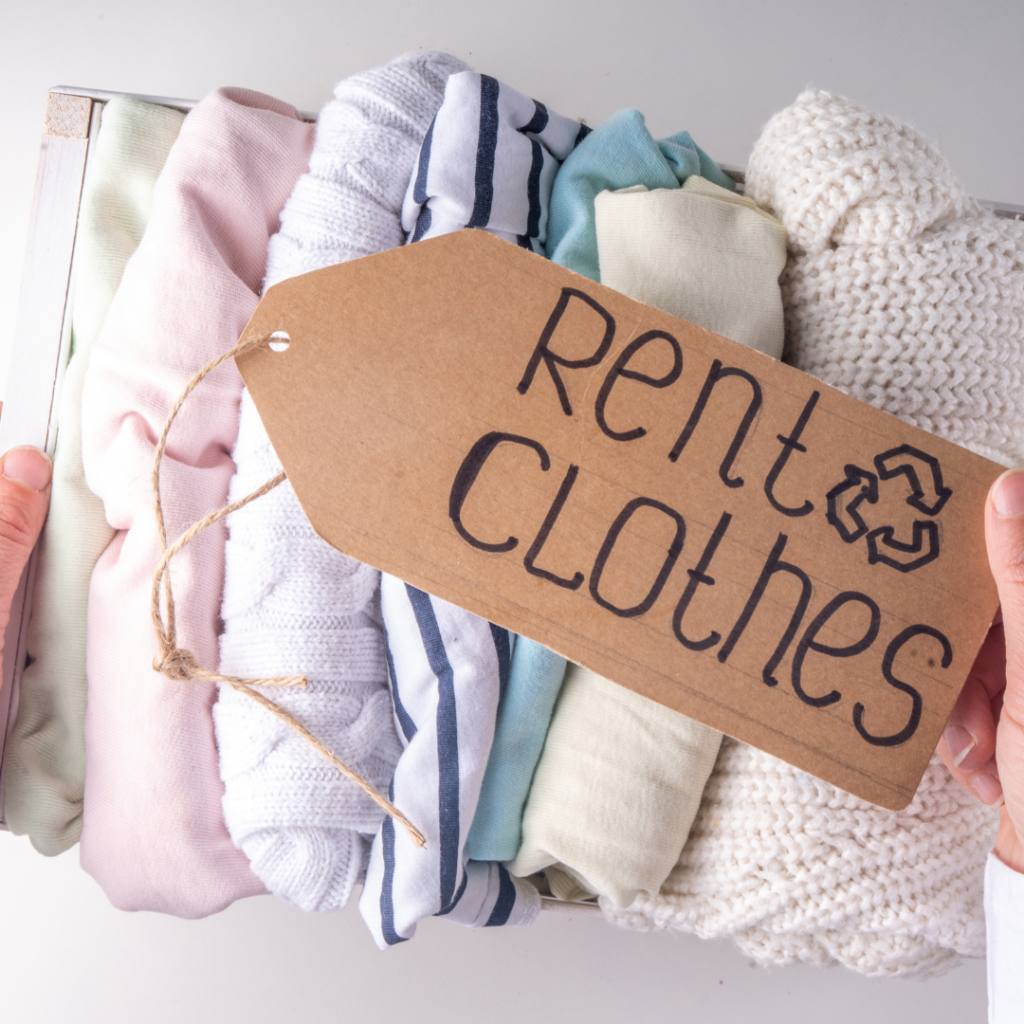
Luxury Fashion Is Becoming More Accessible
Luxury fashion rental has transformed access to designer clothing by making premium fashion experiences available to broader audiences.
In the past, luxury fashion was strongly associated with exclusivity and high financial barriers. Today, online clothing rental platforms allow consumers to wear designer outfits for a fraction of traditional retail prices.
Consumers increasingly appreciate the opportunity to experience premium fashion for weddings, corporate events, parties, and vacations without making permanent luxury purchases.
Fashion rental services therefore create emotional excitement and aspirational experiences previously unavailable to many consumers.
This accessibility appeals especially to younger consumers who value experiences and visual presentation but may not prioritize long-term luxury ownership.
At the same time, some luxury fashion enthusiasts still believe ownership remains more emotionally meaningful and prestigious than temporary access.
Digital Convenience Supports Rental Fashion Growth
Technology and ecommerce have significantly accelerated the rise of clothing rental services.
Modern consumers expect fast, convenient, and personalized online shopping experiences. Rent clothes online platforms now offer AI recommendations, virtual styling support, size guidance, and subscription-based fashion access directly through mobile apps and websites.
Digital fashion lifestyle habits fit naturally with rental models because consumers can browse, select, receive, return, and replace outfits entirely online.
Clothing rental apps also simplify wardrobe variety for busy professionals, travelers, influencers, and event attendees who need changing outfits regularly.
Fashion subscription services increasingly use personalized algorithms to recommend styles matching customer preferences and event requirements.
However, online rental experiences still face challenges related to sizing accuracy, delivery delays, and return logistics.
Younger Generations Prefer Access Over Ownership
Generation Z and millennial consumers are playing a major role in the expansion of fashion rental trends.
Younger shoppers often prioritize experiences, sustainability, and financial flexibility more strongly than previous generations.
Many consumers today prefer spending money on travel, technology, lifestyle experiences, and digital convenience instead of building large permanent wardrobes.
Fashion sharing economy systems feel more practical and financially manageable for younger users already familiar with ride-sharing apps, subscription entertainment, and digital service platforms.
Clothing rental services also align with minimalist lifestyle movements encouraging reduced clutter and more intentional consumption habits.
However, cultural attitudes toward ownership still vary significantly across different regions and consumer groups.
Renting Clothes Reduces Wardrobe Pressure
Modern consumers frequently struggle with overflowing wardrobes filled with rarely used clothing. Fashion rental services offer an alternative solution by reducing the need for excessive clothing ownership.
Digital fashion lifestyle trends increasingly focus on smart wardrobe management instead of constant purchasing.
Consumers renting clothes often feel less pressure to maintain large collections because they can access different styles whenever needed temporarily.
Fashion rental apps also help reduce impulse shopping behavior caused by social media trend pressure and fast-changing aesthetics.
Many users appreciate having variety without long-term storage problems, wardrobe clutter, or unnecessary spending.
At the same time, some people still enjoy collecting clothing personally and value emotional attachment to fashion pieces they own permanently.
Hygiene and Trust Remain Important Concerns
Despite growing popularity, clothing rental services still face concerns related to hygiene, cleanliness, and product condition.
Some consumers feel uncomfortable wearing previously used garments, especially for everyday clothing categories.
Rental companies therefore invest heavily in professional cleaning systems, garment inspection, sanitization, and quality control processes to build customer trust.
Luxury fashion rental platforms especially emphasize premium care standards because customers expect high-quality presentation and hygiene assurance.
Consumer trust remains extremely important for long-term growth within the fashion rental industry.
However, emotional hesitation regarding shared clothing continues limiting adoption among some traditional shoppers.

Fashion Brands Are Adapting to Rental Models
Many fashion companies are now integrating rental services into business strategies as consumer habits evolve.
Luxury brands, ecommerce platforms, and independent fashion startups increasingly explore subscription-based fashion models and rental-focused collections.
Some brands now design garments specifically for multiple rental cycles using more durable fabrics and flexible styling approaches.
Fashion industry experts believe future growth may depend increasingly on balancing ownership models with shared-access fashion experiences.
Fashion subscription services also create recurring customer relationships rather than depending entirely on one-time purchases.
However, traditional retail systems may face disruption as rental culture changes long-standing fashion business structures.
Rental Fashion Supports Circular Economy Models
Fashion rental services strongly support circular economy principles where products remain in continuous use rather than becoming quickly discarded.
Clothing rental extends garment lifespan by allowing multiple users to benefit from the same product repeatedly.
Eco-friendly fashion trends increasingly encourage recycling, resale, repair, and shared consumption models instead of excessive waste-driven shopping behavior.
Consumers interested in sustainable lifestyles often view rental fashion as part of broader responsible consumption habits.
Circular fashion systems may become increasingly important as governments, brands, and consumers respond to environmental concerns related to textile waste and overproduction.
Challenges Facing Clothing Rental Platforms
Despite strong growth, fashion rental trends still face operational and cultural challenges.
Managing inventory, cleaning logistics, shipping systems, product damage, and sizing accuracy requires significant operational investment.
Fashion rental companies also compete with fast fashion retailers offering extremely low-cost products consumers can purchase permanently.
Some consumers continue viewing clothing ownership as emotionally important for identity, comfort, and personal expression.
Profitability remains challenging for some rental businesses because maintaining clothing quality across repeated usage cycles can become expensive.
However, growing sustainability awareness and changing consumer habits continue supporting long-term rental market growth.
Future of Fashion Rental Industry
The future of fashion rental appears highly promising as digital lifestyles, sustainability awareness, and flexible consumption habits continue evolving.
Technology will likely improve rental experiences further through AI styling systems, virtual fitting rooms, personalized fashion recommendations, and faster logistics management.
Consumers may increasingly combine ownership and rental models depending on lifestyle needs, event frequency, and fashion preferences.
Fashion rental trends in 2026 clearly indicate that temporary access to clothing is becoming more socially accepted and commercially viable.
At the same time, emotional attachment, personal identity, and traditional ownership culture will likely remain important parts of fashion consumption for many consumers.
Conclusion
Is renting clothes the future of fashion? The growing popularity of clothing rental services strongly suggests that shared-access fashion models will become increasingly important within the global fashion industry.
Fashion rental trends are driven by changing consumer behavior, sustainability concerns, social media culture, digital convenience, and growing demand for affordable luxury experiences.
Clothing rental platforms offer flexibility, wardrobe variety, and environmentally conscious alternatives to traditional fast fashion consumption.
Although challenges related to hygiene, logistics, emotional ownership, and operational complexity still exist, fashion rental culture continues gaining momentum among modern consumers seeking smarter and more sustainable fashion choices.
As fashion technology and consumer lifestyles continue evolving, renting clothes may not completely replace ownership, but it will likely remain one of the strongest influences shaping the future of modern fashion consumption.
More Blogs you may read
Desk-to-Dinner Outfit Ideas: Stylish Looks That Transition Effortlessly From Office to Evening 2026
Desk-to-Dinner Outfit Ideas Modern lifestyles often require clothing that adapts...
Read More
Caring for Luxury Clothing: The Complete Guide to Preserve Premium Fashion for Years 2026
Caring for Luxury Clothing Luxury clothing is more than a...
Read MoreAI Fabric Matching Tools: How Artificial Intelligence Is Transforming Fabric Selection and Fashion Design 2026
AI Fabric Matching Tools The fashion industry has always relied...
Read More