

AI Fabric Matching Tools
The fashion industry has always relied on creativity, craftsmanship, and an in-depth understanding of fabrics to produce garments that are comfortable, durable, and visually appealing. Traditionally, selecting the right fabric for a garment depended largely on the expertise of designers, textile specialists, and manufacturers who evaluated texture, weight, drape, durability, color compatibility, and intended garment use through years of practical experience. Today, technological innovation is reshaping this process. AI Fabric Matching Tools are introducing intelligent digital systems that analyze fabrics with remarkable accuracy, helping designers, manufacturers, retailers, and consumers make more informed decisions.
As artificial intelligence continues transforming industries around the world, fashion has embraced digital technologies that improve efficiency without replacing human creativity. AI-powered fabric matching systems analyze thousands of textile characteristics within seconds, identifying similarities, recommending alternatives, evaluating compatibility, and supporting personalized clothing development. These capabilities help reduce design errors, improve production efficiency, support sustainable material selection, and create better shopping experiences for consumers.
The growing popularity of AI Fabric Matching Tools reflects the fashion industry’s increasing focus on precision, sustainability, personalization, and digital innovation. Designers now work with intelligent systems capable of comparing colors, textures, stretch, fiber composition, fabric weight, breathability, and performance characteristics while generating recommendations that would previously require extensive manual evaluation.
Understanding AI Fabric Matching Tools demonstrates how advanced technology strengthens modern fashion rather than replacing artistic design. By combining artificial intelligence with human expertise, the industry is creating clothing that fits consumer expectations more accurately while improving manufacturing quality, reducing waste, and supporting smarter textile selection throughout the entire fashion supply chain.
Understanding AI Fabric Matching Tools
AI Fabric Matching Tools are digital systems that use artificial intelligence, computer vision, machine learning, and advanced data analysis to evaluate textile characteristics and recommend suitable fabric combinations for fashion design and garment production.
Unlike traditional manual comparison methods, AI systems analyze multiple variables simultaneously, including fiber composition, texture, color, drape, elasticity, thickness, durability, and performance.
This technology transforms textile selection into a faster and more accurate process.
Artificial intelligence enhances decision-making.
Digital analysis supports creative design.
Why Fabric Selection Matters
Fabric determines far more than a garment’s appearance.
It influences comfort, durability, breathability, movement, maintenance, seasonal suitability, and overall customer satisfaction.
The importance of AI Fabric Matching Tools begins with recognizing how critical appropriate fabric selection remains throughout clothing development.
Quality textiles improve garment performance.
Thoughtful material choices create lasting value.
Fabric shapes fashion experiences.
Traditional Fabric Matching Challenges
Historically, designers relied upon physical samples, textile libraries, supplier catalogs, and personal expertise to compare fabrics.
Although highly effective, manual evaluation often required significant time while depending heavily upon individual experience.
The emergence of AI Fabric Matching Tools addresses these traditional limitations through intelligent automation.
Technology improves efficiency.
Digital support strengthens consistency.
Innovation simplifies complex decisions.
How Artificial Intelligence Analyzes Fabrics
Artificial intelligence evaluates textile data using image recognition, machine learning algorithms, material databases, and pattern recognition systems.
The software identifies relationships between thousands of fabric characteristics that may not always be immediately visible through manual observation.
Understanding AI Fabric Matching Tools includes appreciating this sophisticated analytical capability.
Advanced technology processes information rapidly.
Data supports accurate recommendations.
Machine learning improves continuously.
Color Matching Becomes More Accurate
Color consistency remains essential throughout fashion production.
Even small color variations may influence garment appearance, brand identity, and customer expectations.
One important strength of AI Fabric Matching Tools involves comparing colors with exceptional precision across large textile collections.
Accurate colors improve product quality.
Consistency strengthens brand identity.
Precision enhances customer satisfaction.
Texture Recognition Through AI
Fabric texture significantly affects clothing comfort, visual appeal, and overall styling.
Artificial intelligence evaluates surface characteristics while identifying similarities between different textile options.
Texture analysis strengthens AI Fabric Matching Tools by expanding material comparison capabilities.
Surface details influence fashion.
Texture creates unique experiences.
Technology supports informed selection.
Supporting Fashion Designers
Designers frequently explore numerous fabric possibilities before finalizing garment collections.
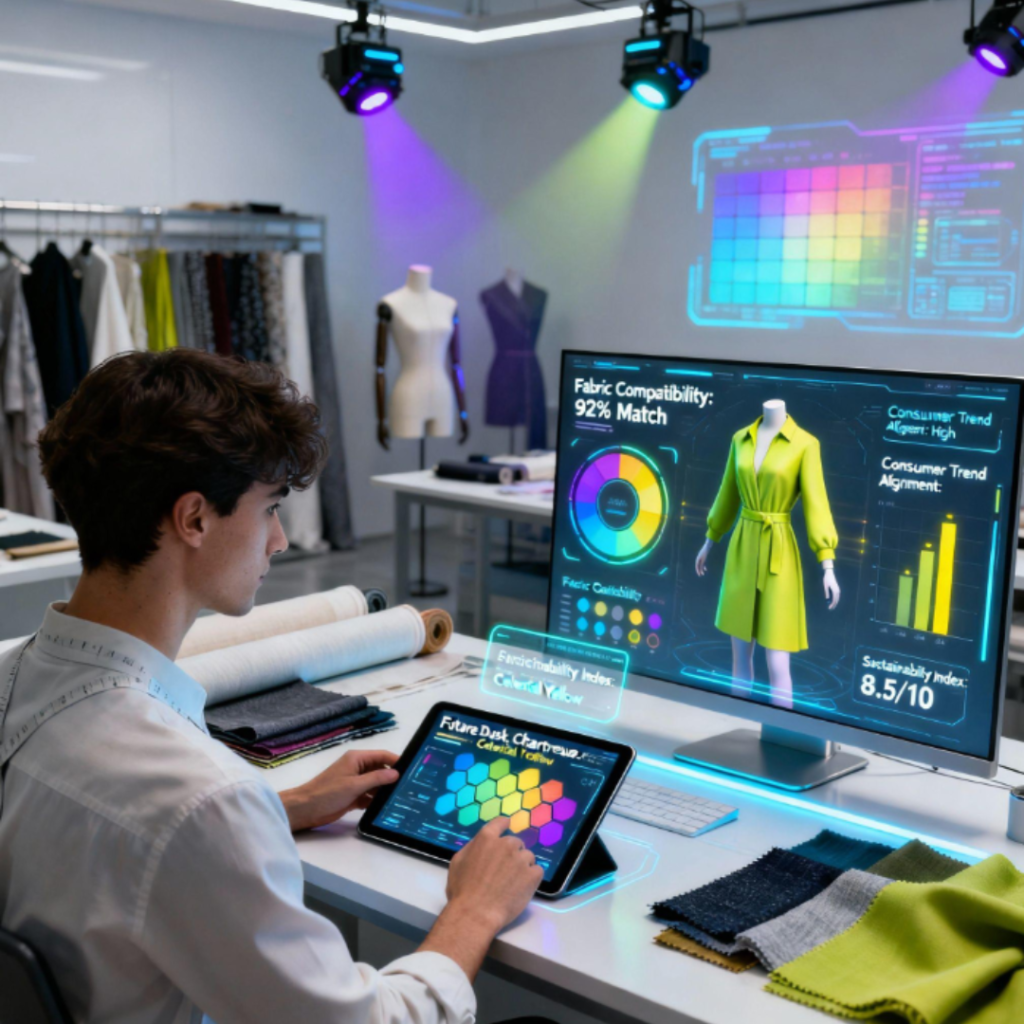
AI-powered systems accelerate this creative process by recommending compatible textiles based upon design objectives and material characteristics.
The growing importance of AI Fabric Matching Tools reflects their ability to support rather than replace creative professionals.
Technology complements artistic vision.
Design becomes more efficient.
Innovation encourages experimentation.
Improving Sustainable Fashion
Sustainability has become one of the fashion industry’s highest priorities.
Reducing unnecessary material waste, optimizing textile usage, and selecting environmentally responsible alternatives contribute significantly to sustainable manufacturing.
The sustainability advantages of AI Fabric Matching Tools continue attracting industry attention.
Responsible material selection protects resources.
Technology supports environmental awareness.
Smarter decisions reduce waste.
Faster Product Development
Fashion production often operates within demanding timelines.
Artificial intelligence accelerates material selection while reducing repetitive manual comparison procedures.
Speed represents another valuable benefit of AI Fabric Matching Tools.
Efficiency supports innovation.
Faster workflows improve competitiveness.
Technology simplifies production.
Personalized Clothing Recommendations
Modern consumers increasingly expect personalized shopping experiences.
AI systems analyze customer preferences alongside textile characteristics to recommend fabrics suited to lifestyle, climate, comfort requirements, and aesthetic preferences.
Personalization strengthens AI Fabric Matching Tools considerably.
Individual experiences improve satisfaction.
Technology adapts to customer needs.
Personalized fashion encourages confidence.
Textile Databases Strengthen Accuracy
Artificial intelligence performs best when supported by comprehensive textile databases containing detailed material information.
Expanding these databases continuously improves recommendation quality.
The effectiveness of AI Fabric Matching Tools depends upon reliable digital knowledge.
Quality data improves results.
Information strengthens decision-making.
Learning systems evolve continuously.
Supporting Manufacturers
Manufacturers benefit from improved consistency, optimized inventory management, and more efficient production planning.
AI-powered textile selection reduces uncertainty during material sourcing while supporting standardized quality.
Manufacturing efficiency strengthens AI Fabric Matching Tools across the fashion industry.
Reliable production improves outcomes.
Technology supports operational excellence.
Consistency increases customer trust.
Digital Collaboration Across Teams
Fashion development frequently involves designers, buyers, textile specialists, manufacturers, merchandisers, and retailers working together.
Digital AI systems simplify communication by providing shared material recommendations and standardized information.
Collaboration strengthens AI Fabric Matching Tools.
Shared information improves teamwork.
Technology connects professionals efficiently.
Communication supports creativity.
Artificial Intelligence and Consumer Shopping
Online shoppers often struggle evaluating fabrics without physical interaction.
AI-powered recommendations help customers compare materials according to softness, durability, seasonal suitability, stretch, and comfort.
These shopping improvements increase the value of AI Fabric Matching Tools.
Digital shopping becomes more informative.
Technology reduces uncertainty.
Customer confidence increases.
Challenges Facing AI Fabric Technology
Although artificial intelligence offers impressive capabilities, fabric evaluation still benefits from human expertise.
Touch, emotional perception, cultural preferences, craftsmanship, and artistic interpretation remain valuable elements of fashion.
Understanding AI Fabric Matching Tools includes recognizing technology’s supportive role.
Human creativity remains essential.
Technology complements expertise.
Balanced innovation creates stronger outcomes.
Future Innovations
Artificial intelligence continues advancing through improved computer vision, predictive analytics, robotics, virtual reality, digital twins, and advanced textile science.
Future AI Fabric Matching Tools will likely become increasingly sophisticated while supporting more personalized fashion experiences.
Innovation continues transforming fashion.
Technology expands creative possibilities.
Digital intelligence evolves continuously.
AI and Ethical Fashion
Responsible fashion increasingly emphasizes transparency, sustainability, ethical sourcing, and material traceability.
Artificial intelligence supports these goals by improving material tracking and informed textile selection.
Ethical development strengthens AI Fabric Matching Tools.
Responsible innovation builds trust.
Transparency improves consumer confidence.
Technology supports sustainable practices.
Education and Fashion Technology
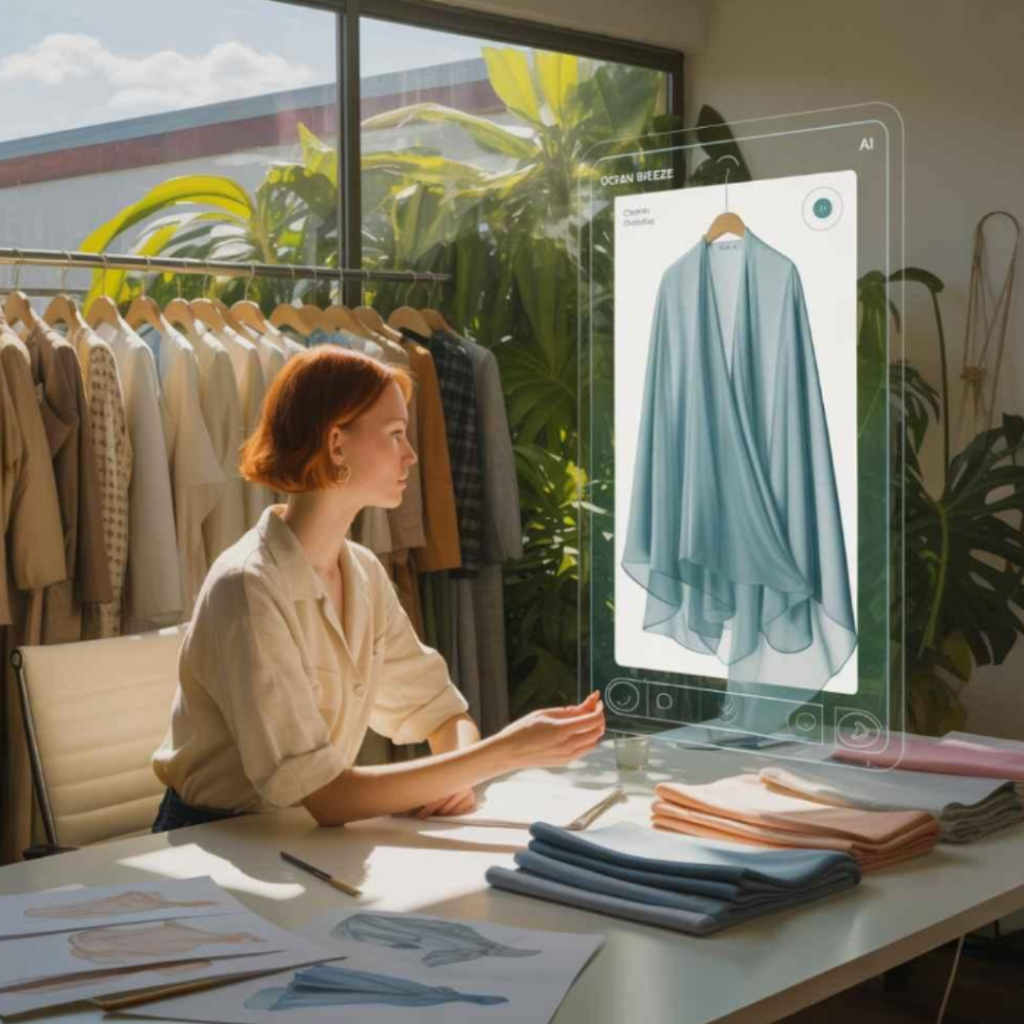
Fashion schools increasingly introduce digital technologies alongside traditional garment construction, textile science, and design education.
Future designers will likely combine creative skills with intelligent digital tools.
Educational development supports AI Fabric Matching Tools.
Learning evolves continuously.
Technology strengthens professional skills.
Innovation prepares future designers.
Why AI Fabric Matching Tools Represent the Future
Fashion continues balancing artistry with technological innovation.
Artificial intelligence provides designers, manufacturers, retailers, and consumers with more accurate information while preserving creative freedom.
The continued growth of AI Fabric Matching Tools demonstrates how intelligent technology enhances every stage of textile selection without replacing the imagination and craftsmanship that define exceptional fashion.
Technology strengthens creativity.
Innovation supports better decisions.
Future fashion embraces intelligent collaboration.
Conclusion
AI Fabric Matching Tools are transforming the fashion industry by combining advanced artificial intelligence with the timeless art of textile selection. From analyzing fabric textures, colors, fiber composition, and performance characteristics to supporting personalized clothing recommendations, sustainable manufacturing, and faster product development, these intelligent systems help designers and manufacturers make more informed decisions with greater speed and precision. Rather than replacing human creativity, AI fabric matching tools serve as powerful assistants that reduce repetitive tasks, improve consistency, and allow fashion professionals to focus more on innovation, craftsmanship, and customer experience.
As the adoption of AI Fabric Matching Tools continues to expand, the future of fashion will become increasingly intelligent, personalized, and sustainable. Consumers will benefit from better-fitting garments, more suitable fabric recommendations, and improved online shopping experiences, while brands will gain greater efficiency, reduced material waste, and enhanced production quality. By combining human expertise with advanced digital technology, AI fabric matching tools are helping shape a new generation of fashion where creativity, precision, sustainability, and innovation work together to deliver smarter textile solutions for the modern world.