
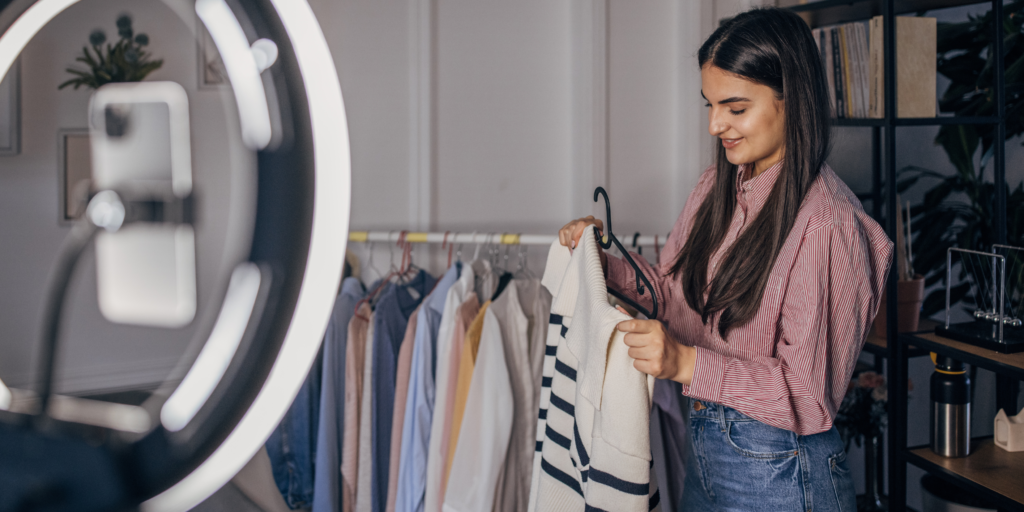
How Clothing Changes Human Behavior
The Powerful Connection Between Fashion and Human Psychology
Clothing has always been more than simple protection or physical necessity. In 2026, fashion is deeply connected to emotional identity, confidence, communication, and social interaction. The way people dress influences not only how others perceive them but also how they think, feel, and behave throughout daily life. The growing interest in fashion psychology is revealing how clothing changes human behavior in powerful and often unexpected ways.
Modern consumers are becoming increasingly aware that fashion affects mood, productivity, self-esteem, emotional comfort, and social confidence. Clothing choices influence body language, communication style, professional performance, and even decision-making habits. Whether someone wears professional tailoring, oversized casual outfits, luxury fashion, or minimalist clothing, those choices often create emotional and psychological responses that shape behavior throughout the day.
The connection between clothing and behavior positively encourages self-awareness and emotional expression. However, it also raises concerns regarding social judgment, appearance pressure, and emotional dependence on external image validation. Despite these challenges, fashion continues playing a major role in shaping modern human psychology and lifestyle behavior.
Clothing Influences Confidence and Self-Perception
One of the strongest ways clothing changes human behavior is through confidence. People often behave differently depending on what they wear because clothing directly affects self-perception and emotional mindset. Professional outfits, elegant clothing, and well-fitted garments frequently create feelings of strength, motivation, and emotional readiness.
When individuals feel visually confident, they often communicate more clearly, maintain stronger posture, and participate more actively in social or professional environments. Clothing creates psychological signals that influence how people view themselves internally. Tailored blazers, luxury accessories, polished footwear, and structured outfits are commonly associated with emotional control and leadership energy.
This confidence-building effect positively supports productivity and self-esteem. Nevertheless, excessive emotional dependence on fashionable appearance may sometimes weaken inner confidence if individuals begin associating self-worth only with clothing and social approval.
Fashion Shapes Social Perception and Interaction
Clothing strongly affects how people are treated in social environments. Human behavior naturally responds to visual impressions, and fashion plays a major role in forming assumptions regarding personality, professionalism, intelligence, creativity, and social status.
Consumers wearing formal or sophisticated clothing are often perceived as more responsible and organized, while casual or oversized outfits may communicate relaxation and emotional openness. Bright colors can create energetic impressions, whereas neutral tones often suggest calmness and emotional balance.
These visual signals influence social interaction patterns in workplaces, schools, networking events, and public spaces. Fashion positively helps individuals communicate identity and personal values without speaking. However, social judgment based on appearance can also create emotional pressure and unfair stereotypes connected to clothing choices.
Workplace Fashion Changes Professional Behavior
Professional environments clearly demonstrate how clothing changes human behavior. Workplace fashion often affects productivity, confidence, leadership presence, and communication habits. Employees wearing organized and polished outfits frequently feel more mentally prepared and emotionally disciplined during professional tasks.
Business attire, smart casual fashion, and structured workwear can influence focus and performance because clothing creates psychological boundaries between relaxation and productivity. Many professionals feel more motivated and emotionally engaged when wearing clothing associated with responsibility and achievement.
Workplace fashion positively strengthens discipline and professional identity. Nevertheless, overly strict dress codes may create emotional discomfort and reduce individuality within certain working environments.
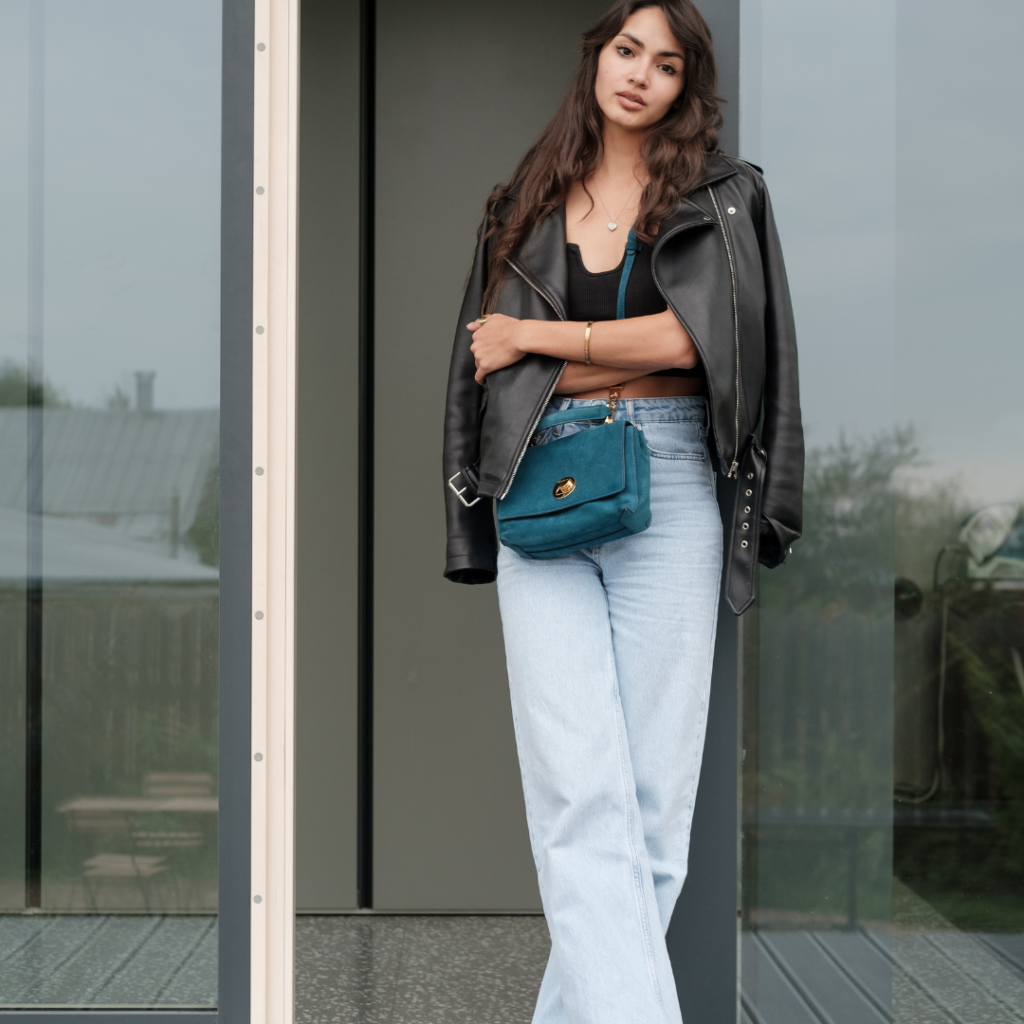
Emotional Dressing and Mood Regulation
Fashion is deeply connected to emotional regulation and mood management. Many people choose clothing based on emotional needs rather than practical necessity alone. Comfortable fabrics, soft textures, oversized silhouettes, and calming colors can create emotional relaxation during stressful situations.
Bright outfits may increase feelings of optimism and social energy, while darker tones often reflect emotional introspection or calm sophistication. Fashion psychology studies continue showing that clothing can influence emotional behavior through color association, texture comfort, and symbolic meaning.
Emotional dressing positively supports self-expression and mental well-being. However, emotional shopping habits may sometimes lead to impulsive purchasing behavior when consumers use fashion excessively as emotional escape or validation.
Fashion and Identity Expression
One reason clothing changes human behavior so strongly is because fashion is directly connected to identity. People use clothing to communicate personality, beliefs, creativity, cultural background, and emotional individuality. Personal style often becomes a visual extension of inner thoughts and lifestyle values.
Consumers attracted to minimalist fashion may behave differently from those embracing bold streetwear, luxury aesthetics, or gothic styles. Clothing choices influence confidence levels, emotional expression, and social comfort because individuals feel more authentic when their appearance matches their internal identity.
Fashion positively encourages creativity and individuality. Nevertheless, pressure to maintain a specific image or aesthetic identity may create emotional exhaustion and social comparison anxiety over time.
Social Media Increasing Fashion Awareness
Social media has dramatically increased awareness regarding the behavioral influence of fashion. Platforms like Instagram, TikTok, and Pinterest constantly expose consumers to curated outfits, lifestyle aesthetics, and visual identity trends. As a result, people are becoming more conscious about how clothing affects perception and emotional confidence.
Fashion influencers regularly discuss concepts such as confidence dressing, productivity fashion, emotional styling, and self-expression through clothing. Consumers are increasingly experimenting with personal style to improve emotional presence and online identity visibility.
Social media positively expands fashion creativity and psychological awareness. However, continuous exposure to highly polished appearances may also create emotional pressure, unrealistic beauty standards, and comparison-driven self-doubt.
Clothing and Body Language Connection
Fashion also influences body language and physical behavior. People wearing structured or elegant outfits often stand differently, move more confidently, and engage more actively in conversations. Clothing creates psychological signals that subtly shape posture, walking style, and social interaction.
Comfortable clothing may encourage relaxed behavior and emotional openness, while formal attire can increase seriousness and emotional control. Footwear, fabric texture, and garment structure all contribute to physical movement patterns and behavioral responses.
This connection positively strengthens self-awareness and intentional communication. On the other hand, uncomfortable or restrictive clothing may create emotional irritation and reduce confidence during social interaction.
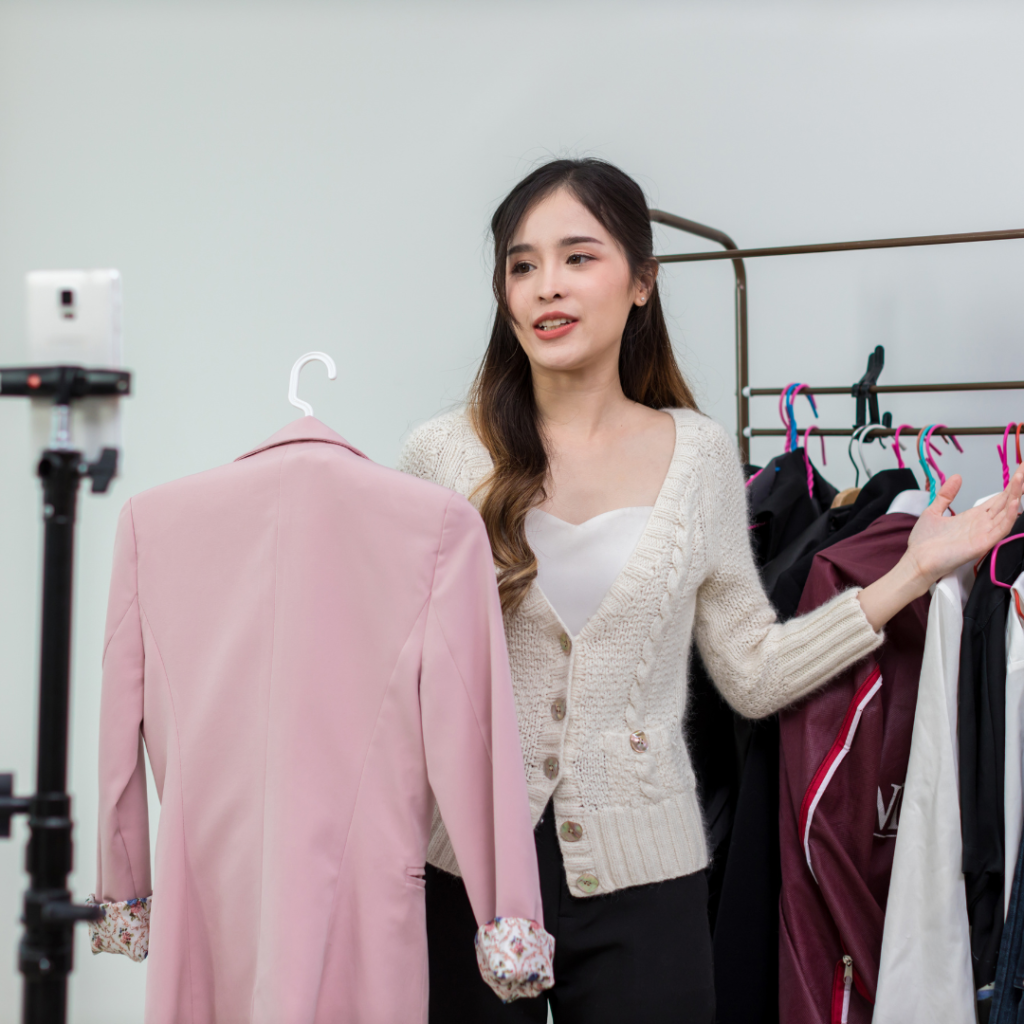
Luxury Fashion and Status Psychology
Luxury fashion significantly affects human behavior because it is connected to social recognition and emotional perception. Consumers wearing premium brands or sophisticated outfits often experience increased confidence and stronger social visibility. Luxury clothing can influence behavior by creating feelings of exclusivity, ambition, and emotional empowerment.
Quiet luxury fashion, which remains highly influential in 2026, reflects emotional maturity and understated sophistication through subtle elegance rather than loud branding. Loud luxury fashion, in contrast, encourages visibility and expressive confidence through bold logos and statement pieces.
Luxury fashion positively supports self-confidence and aspirational motivation. Nevertheless, excessive attachment to status-driven fashion may create financial stress and emotionally unhealthy dependence on social validation.
Cultural Influence on Clothing Behavior
Fashion behavior is also shaped by culture and social traditions. Different societies associate specific clothing styles with professionalism, respect, creativity, or emotional expression. Traditional garments often influence behavior by reinforcing cultural identity and social belonging.
Consumers frequently adjust clothing choices depending on social expectations, religious environments, professional settings, or community values. Fashion becomes a behavioral tool used to navigate emotional comfort and social acceptance within different environments.
Cultural fashion positively preserves identity and social connection. However, rigid cultural expectations regarding appearance may sometimes limit individuality and emotional freedom.
Gender-Neutral Fashion and Behavioral Freedom
Gender-fluid fashion trends are changing how clothing influences behavior in modern society. Oversized tailoring, neutral silhouettes, and versatile styling are allowing consumers greater emotional freedom and flexibility in self-expression.
Many individuals feel emotionally liberated when clothing is no longer restricted by traditional gender expectations. Gender-neutral fashion encourages more authentic behavior and reduces pressure to follow rigid appearance standards.
This transformation positively supports inclusivity and confidence. However, changing fashion norms may also create discomfort for individuals strongly connected to traditional cultural expectations.
Fashion and Consumer Psychology
Fashion brands understand the behavioral influence of clothing and often use emotional marketing strategies to shape consumer behavior. Advertisements frequently connect clothing with confidence, success, romance, creativity, and social belonging. As a result, consumers emotionally associate certain styles with desired lifestyles and personal goals.
This psychological connection influences shopping decisions, brand loyalty, and social identity formation. Fashion companies increasingly focus on emotional storytelling to strengthen engagement and influence purchasing behavior.
Fashion marketing positively inspires creativity and aspiration. Nevertheless, emotionally manipulative branding strategies may sometimes encourage overconsumption and unrealistic lifestyle expectations.
Comfortable Fashion and Emotional Stability
Comfort-focused fashion trends are becoming increasingly important because consumers are prioritizing emotional well-being and mental calmness. Oversized clothing, soft fabrics, wellness-inspired fashion, and relaxed tailoring support emotional stability during stressful modern lifestyles.
Many people behave more openly and naturally when wearing comfortable clothing that does not create physical tension or appearance anxiety. This shift reflects broader cultural interest in emotional health and balanced living.
Comfort-driven fashion positively strengthens self-care and emotional comfort. However, excessive dependence on ultra-casual clothing may occasionally reduce motivation for professional presentation and disciplined styling habits.
The Future of Fashion Psychology and Human Behavior
The future of fashion psychology will likely become even more influential as technology, artificial intelligence, and emotional wellness continue shaping consumer behavior. Smart fabrics, mood-responsive clothing, personalized styling apps, and emotionally adaptive fashion systems may transform how people interact with clothing in daily life.
Consumers are becoming more intentional about fashion choices and increasingly aware of the emotional impact clothing has on behavior, communication, and confidence. Fashion brands will continue exploring emotional storytelling and psychological connection to strengthen customer relationships.
How clothing changes human behavior goes far beyond visual appearance alone. Clothing influences confidence, emotional balance, productivity, communication, and personal identity in powerful ways. While challenges related to social pressure, image obsession, and emotional comparison continue affecting modern fashion culture, clothing remains one of the strongest tools humans use to shape behavior, express personality, and navigate social environments in contemporary society.
More Blogs you may read
Desk-to-Dinner Outfit Ideas: Stylish Looks That Transition Effortlessly From Office to Evening 2026
Desk-to-Dinner Outfit Ideas Modern lifestyles often require clothing that adapts...
Read More
Caring for Luxury Clothing: The Complete Guide to Preserve Premium Fashion for Years 2026
Caring for Luxury Clothing Luxury clothing is more than a...
Read MoreAI Fabric Matching Tools: How Artificial Intelligence Is Transforming Fabric Selection and Fashion Design 2026
AI Fabric Matching Tools The fashion industry has always relied...
Read More