
Why Some Fashion Trends Never Die
The Power of Timeless Fashion in Modern Culture
Fashion changes constantly, yet certain styles continue surviving decade after decade without losing their influence. While some trends disappear quickly after dominating social media and runway collections, others remain deeply connected to modern wardrobes regardless of changing generations. In 2026, the conversation around timeless fashion trends has become stronger because consumers are becoming more interested in long-lasting style instead of temporary fashion hype.
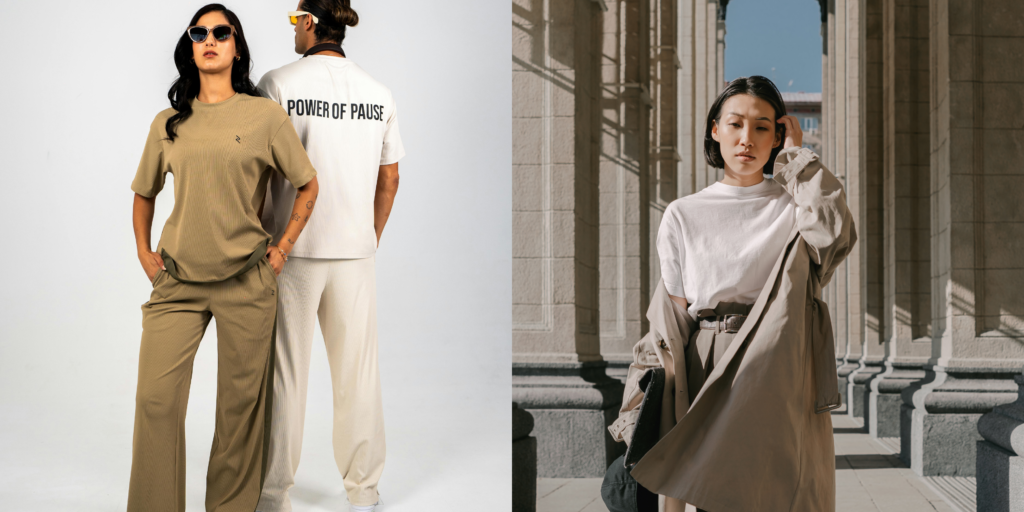
The reason some fashion trends never die is closely connected to emotional connection, cultural identity, practicality, and visual balance. Timeless fashion trends continue evolving without completely disappearing because they adapt naturally to changing lifestyles while maintaining familiar aesthetic appeal. Classic denim, leather jackets, tailored blazers, white sneakers, neutral basics, and minimalist silhouettes remain relevant because they combine functionality with emotional comfort and universal styling possibilities.
This enduring popularity positively supports sustainable fashion habits and smarter wardrobe investments. However, some critics believe excessive dependence on timeless trends may reduce creative experimentation and slow the growth of bold fashion innovation. Despite these discussions, timeless fashion continues shaping global style culture with remarkable consistency.
Timeless Fashion Creates Emotional Comfort
One major reason some fashion trends never die is the emotional comfort they provide. Familiar clothing styles often create feelings of confidence, stability, nostalgia, and personal identity. Consumers naturally return to fashion pieces that feel emotionally reliable during uncertain social or cultural periods.
Classic fashion styles such as trench coats, black dresses, denim jeans, oversized white shirts, and leather boots remain popular because they create emotional familiarity while still looking stylish in modern environments. Many people trust timeless outfits because they reduce the stress of constantly following rapidly changing fashion trends.
This emotional connection positively strengthens confidence and personal comfort. However, emotional attachment to familiar styles may occasionally discourage consumers from exploring new creative aesthetics or fashion risks.
Simplicity Makes Trends Last Longer
Simple fashion designs usually survive longer than overly dramatic or highly experimental trends. Minimalist clothing often remains visually balanced across different decades because it avoids excessive decoration and trend-specific details. Neutral colors, clean tailoring, and versatile silhouettes make timeless fashion easier to style repeatedly without appearing outdated.
Consumers increasingly appreciate fashion that feels effortless and adaptable for different occasions. Minimalist styles allow individuals to create professional, casual, elegant, or relaxed looks without requiring complete wardrobe changes. This flexibility helps timeless fashion trends maintain long-term relevance within changing fashion cultures.
The simplicity of classic fashion positively encourages mindful consumption and practical styling habits. Nevertheless, some fashion enthusiasts believe minimalist fashion can sometimes appear emotionally repetitive or visually predictable compared to more expressive styles.
Celebrity Culture Revives Classic Fashion Trends
Celebrity influence plays a major role in keeping timeless fashion trends alive. Actors, musicians, influencers, and fashion icons frequently reintroduce vintage-inspired clothing into mainstream culture through social media, red carpet appearances, and street style photography. As a result, older fashion aesthetics continuously return with modern reinterpretations.
Classic leather jackets, oversized blazers, vintage denim, monochromatic outfits, and luxury basics remain visible because celebrities repeatedly integrate these pieces into contemporary styling trends. Younger audiences are strongly influenced by these fashion references and often recreate similar looks for everyday wear.
Celebrity-driven timeless fashion positively keeps iconic styles relevant across generations. However, excessive dependence on celebrity influence may also create pressure for consumers to constantly imitate curated lifestyles and designer aesthetics.
Vintage Fashion Keeps Old Trends Alive
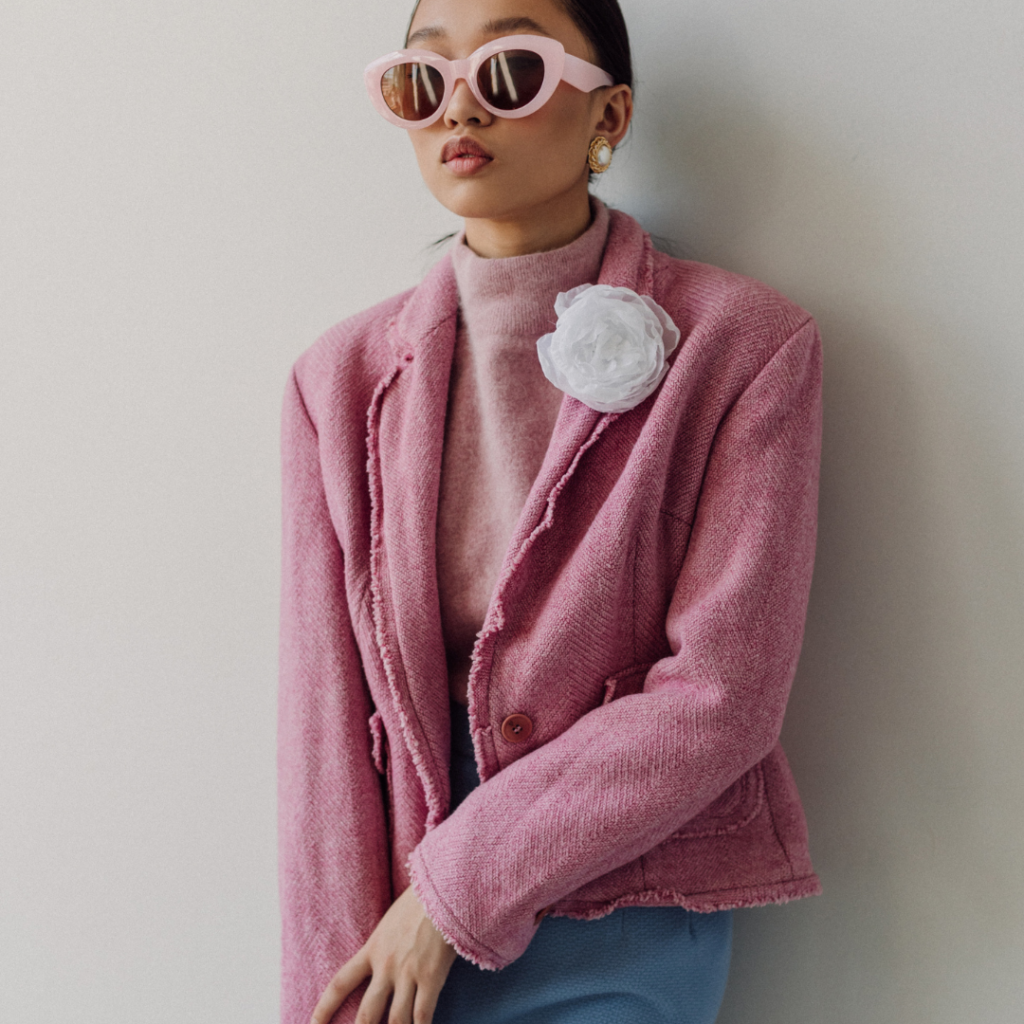
Vintage fashion culture is another major reason some fashion trends never disappear completely. In 2026, thrift shopping and secondhand fashion continue growing rapidly because consumers appreciate the individuality, history, and sustainability connected to vintage clothing.
Fashion trends from the 1970s, 1980s, 1990s, and early 2000s regularly return with updated styling approaches. Wide-leg trousers, oversized denim jackets, retro sneakers, slip dresses, and cargo pants continue cycling back into mainstream fashion because younger generations reinterpret older aesthetics through modern perspectives.
Vintage fashion positively supports environmental awareness and creative self-expression. However, rapidly increasing demand for retro clothing can also raise resale prices and make authentic vintage fashion less affordable for certain consumers.
Fashion Trends Connected to Functionality Survive Longer
Fashion trends with strong practical value usually last much longer than purely decorative trends. Clothing pieces that combine comfort, versatility, and durability naturally remain useful regardless of changing fashion movements. Denim jeans, trench coats, leather bags, white sneakers, and tailored outerwear continue surviving because they fit naturally into modern lifestyles.
Consumers are increasingly prioritizing practical fashion choices that support busy schedules, changing work environments, and emotional comfort. Functional clothing often feels more valuable because it adapts easily to professional settings, social events, travel, and casual daily routines.
Practical fashion positively encourages smarter purchasing decisions and sustainable wardrobe habits. Nevertheless, focusing too heavily on functionality may sometimes reduce artistic experimentation and emotional excitement within personal style choices.
Social Media Accelerates Fashion Comebacks
Social media platforms are dramatically changing how fashion trends return and survive over time. TikTok, Instagram, and Pinterest constantly recycle vintage aesthetics and iconic fashion references through viral content, styling videos, and nostalgic trend discussions.
Fashion trends that once disappeared for years can suddenly regain popularity through digital exposure and influencer culture. Younger consumers regularly discover old trends through online communities and reinterpret them with modern styling techniques. This continuous digital recycling keeps timeless fashion trends alive in global consciousness.
Social media positively expands fashion creativity and historical appreciation. However, fast-moving online trend cycles may also create emotional pressure to constantly update wardrobes in response to viral aesthetics.
Luxury Fashion Supports Timeless Style
Luxury brands strongly contribute to the survival of timeless fashion trends. Many high-end fashion houses focus on classic tailoring, neutral palettes, premium fabrics, and refined silhouettes rather than short-lived trends. Timeless luxury fashion often emphasizes craftsmanship and elegance that remain relevant for decades.
Quiet luxury fashion, which continues growing in 2026, reflects this movement toward subtle sophistication and long-term style investment. Consumers increasingly admire fashion pieces that feel emotionally calm, versatile, and durable rather than aggressively trend-focused.
Luxury timeless fashion positively supports sustainable shopping and appreciation for quality craftsmanship. However, premium pricing often limits accessibility and may create exclusivity surrounding classic luxury aesthetics.
Cultural Identity Preserves Fashion Trends
Some fashion trends survive because they become deeply connected to cultural identity and collective memory. Traditional garments, iconic silhouettes, and recognizable style movements often remain relevant because they symbolize specific historical periods, artistic communities, or social values.
For example, punk fashion, gothic aesthetics, classic tailoring, bohemian style, and old money fashion continue influencing modern wardrobes because they represent more than clothing alone. These styles communicate emotional identity, rebellion, sophistication, creativity, or social belonging.
Cultural fashion preservation positively strengthens diversity and artistic expression within global style culture. However, over-commercialization of culturally significant aesthetics may sometimes reduce authenticity and emotional depth.
Sustainable Fashion Encourages Timeless Wardrobes
Sustainability is one of the strongest modern reasons why timeless fashion trends continue growing in popularity. Consumers are becoming more aware of fast-fashion waste and environmental damage caused by excessive trend consumption. As a result, many people are building wardrobes around versatile and long-lasting clothing pieces.
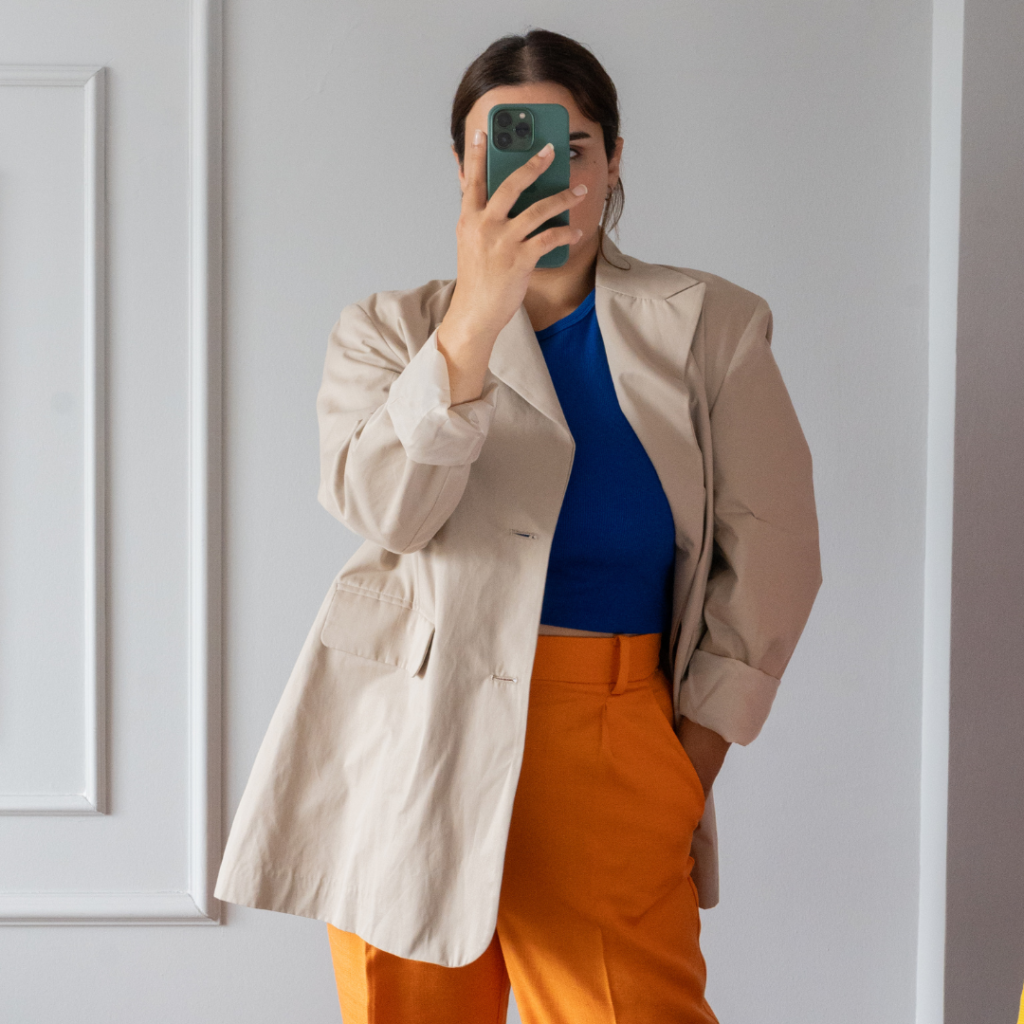
Timeless fashion encourages mindful shopping habits because classic garments remain wearable for many years without feeling outdated. Neutral coats, quality denim, elegant knitwear, structured blazers, and leather accessories support sustainable wardrobe planning and reduce unnecessary consumption.
Sustainable fashion positively protects environmental resources and promotes financial awareness. Nevertheless, high-quality timeless fashion pieces often require larger initial investments that may feel challenging for budget-conscious consumers.
Emotional Nostalgia and Fashion Cycles
Fashion trends often return because of emotional nostalgia. Consumers naturally feel attracted to aesthetics connected to childhood memories, historical glamour, music culture, or earlier social experiences. Nostalgia creates emotional warmth and familiarity that strongly influences purchasing decisions.
Fashion industries frequently revive older styles because nostalgia-driven marketing creates strong emotional engagement among audiences. Vintage-inspired campaigns, retro sneakers, classic handbags, and historical fashion references continue performing well because they connect emotionally with multiple generations.
Nostalgia positively strengthens emotional storytelling within fashion culture. However, excessive romanticization of past aesthetics may sometimes reduce focus on innovation and future-oriented creativity.
Gender-Neutral Trends Increase Longevity
Many timeless fashion trends survive because they adapt easily to gender-fluid styling and modern self-expression. Oversized tailoring, monochromatic outfits, denim jackets, sneakers, and neutral basics appeal across different identities and generations.
Fashion trends that feel flexible and inclusive naturally remain relevant longer because they adapt to evolving cultural values. Modern consumers increasingly appreciate clothing that prioritizes individuality, comfort, and emotional authenticity over rigid styling expectations.
Gender-neutral timeless fashion positively supports inclusivity and creative freedom. However, some traditional fashion audiences may feel resistant to changing style norms and evolving fashion structures.
The Future of Timeless Fashion Trends
The future of timeless fashion trends appears increasingly connected to sustainability, emotional comfort, digital influence, and minimalist living. Consumers are becoming more intentional about shopping habits and are prioritizing clothing that offers long-term versatility instead of temporary trend excitement.
Artificial intelligence, digital fashion platforms, and personalized styling tools may further strengthen interest in timeless wardrobe building by helping consumers identify clothing pieces with lasting value and adaptability. Fashion brands will likely continue balancing innovation with classic design principles to maintain emotional connection with audiences.
Why some fashion trends never die goes far beyond aesthetics alone. Timeless fashion survives because it creates emotional comfort, practical value, cultural familiarity, and personal confidence across generations. While fashion will always continue evolving, certain styles remain permanently connected to human identity, emotional storytelling, and everyday functionality. These enduring fashion movements continue shaping modern wardrobes because they offer stability and authenticity within an increasingly fast-moving fashion world.
More Blogs you may read
Desk-to-Dinner Outfit Ideas: Stylish Looks That Transition Effortlessly From Office to Evening 2026
Desk-to-Dinner Outfit Ideas Modern lifestyles often require clothing that adapts...
Read More
Caring for Luxury Clothing: The Complete Guide to Preserve Premium Fashion for Years 2026
Caring for Luxury Clothing Luxury clothing is more than a...
Read MoreAI Fabric Matching Tools: How Artificial Intelligence Is Transforming Fabric Selection and Fashion Design 2026
AI Fabric Matching Tools The fashion industry has always relied...
Read More