
Why Luxury Brands Use Simple Logos Now
The Shift Toward Minimalist Luxury Branding
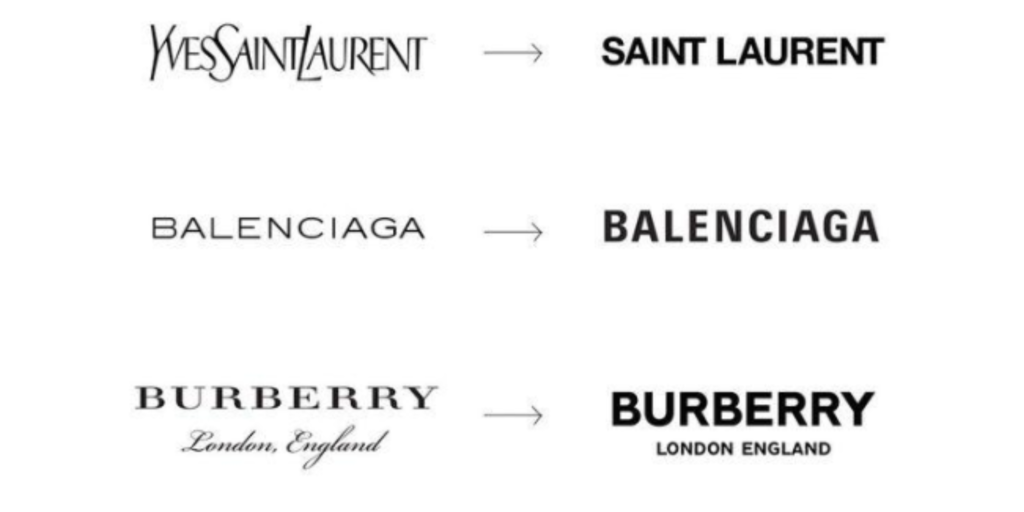
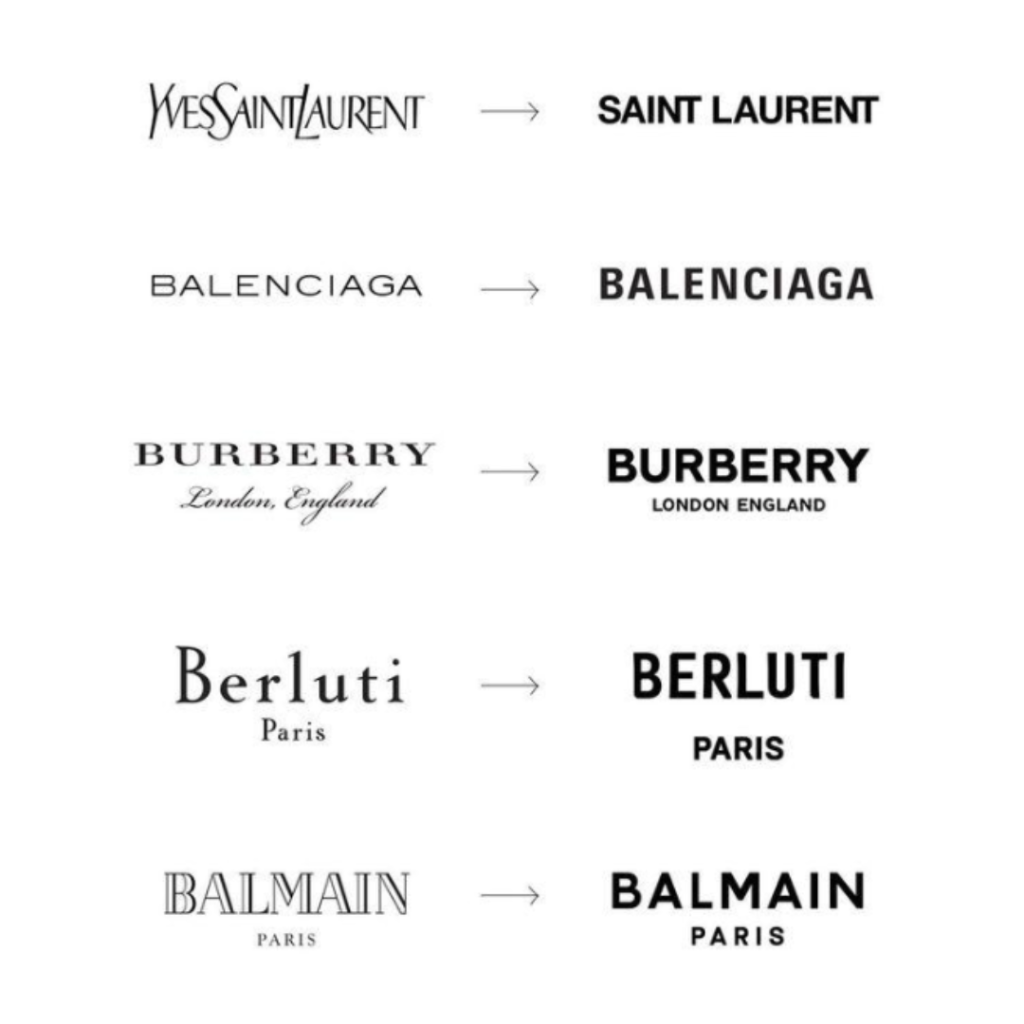
Luxury fashion is experiencing a major transformation in 2026, and one of the most noticeable changes is the growing preference for simple logos and minimalist brand identities. Many luxury brands that once relied on dramatic typography, decorative symbols, and highly recognizable branding are now embracing cleaner, softer, and more refined logo designs. This shift reflects changing consumer psychology, digital branding evolution, and the rising influence of quiet luxury fashion trends across the world.
Modern consumers are increasingly attracted to elegance that feels understated rather than overly aggressive. Luxury fashion brands understand that today’s audiences often associate minimal branding with sophistication, emotional confidence, and timeless value. As a result, many fashion houses are redesigning logos with thinner fonts, monochromatic palettes, simplified lettering, and balanced visual structures that appear modern and adaptable across digital platforms.
The rise of simple luxury logos positively supports cleaner brand communication and contemporary visual aesthetics. However, some critics believe excessive minimalism may reduce originality and make luxury brands appear visually similar to one another. Despite these debates, minimalist branding continues dominating the global luxury industry.
Quiet Luxury Influencing Logo Design
One of the biggest reasons luxury brands use simple logos now is the growing influence of quiet luxury fashion. Quiet luxury emphasizes subtle sophistication, timeless craftsmanship, and refined elegance instead of loud branding or attention-seeking design elements. Consumers who follow quiet luxury trends often prefer fashion that communicates status discreetly rather than aggressively.
Luxury brands are adapting their visual identities to align with these changing preferences. Simple logos create a sense of emotional calmness and exclusivity without relying on oversized symbols or dramatic visual distractions. Clean typography and minimalist design aesthetics help brands appear more mature, premium, and intellectually refined.
This transformation positively reflects a broader cultural movement toward emotional balance and understated sophistication. Nevertheless, some traditional fashion enthusiasts feel nostalgic for iconic luxury logos that once carried stronger visual personality and historical uniqueness.
Digital Platforms Changing Branding Strategies
The growth of digital media is another major reason luxury brands are simplifying logos. In modern fashion marketing, logos must function effectively across websites, mobile applications, social media platforms, digital advertisements, and virtual shopping experiences. Complex logos with intricate details often become difficult to recognize on smaller screens or fast-moving digital environments.
Simple luxury logos are easier to scale, adapt, and display consistently across digital platforms. Clean typography, balanced spacing, and minimal graphic elements improve readability and strengthen online visibility. Fashion brands understand that modern consumers interact with logos primarily through smartphones and social media rather than traditional print campaigns.
Digital-friendly branding positively improves user experience and strengthens visual consistency. However, some critics argue that excessive focus on digital simplicity may weaken artistic creativity and reduce the emotional richness associated with heritage luxury branding.
Modern Consumers Prefer Subtle Elegance
Consumer behavior has changed significantly in recent years. Many luxury buyers no longer seek overly flashy branding or excessive status display. Instead, they prefer products that feel emotionally intelligent, timeless, and quietly sophisticated. This shift is especially visible among younger affluent consumers influenced by minimalist fashion, sustainable lifestyles, and emotional authenticity.
Simple logos help luxury brands communicate exclusivity without appearing overly commercial or trend-driven. Minimalist branding often feels more mature and emotionally balanced compared to loud luxury aesthetics filled with oversized monograms and aggressive visual repetition.
This movement positively supports mindful consumption and timeless fashion values. On the other hand, certain consumers still enjoy bold branding because it offers stronger visual identity and immediate social recognition.
Social Media and the Rise of Aesthetic Branding
Social media culture is strongly influencing why luxury brands use simple logos now. Platforms such as Instagram, Pinterest, and TikTok prioritize clean visual presentation and highly curated aesthetics. Minimalist branding often performs better in modern digital environments because it appears elegant, visually calming, and aesthetically versatile.
Luxury brands are designing logos that blend naturally into soft neutral visuals, monochromatic campaigns, and quiet luxury photography styles. Simple logos help create cohesive branding experiences that appeal to fashion audiences seeking polished and emotionally refined lifestyles online.
Social media positively expands global visibility for luxury brands and encourages stronger visual storytelling. Nevertheless, the pressure to maintain highly aesthetic branding may also create emotional exhaustion and unrealistic perfection standards within digital fashion culture.
Luxury Brands Want Timeless Appeal
Another reason luxury brands are simplifying logos is the desire for timelessness. Fashion trends change rapidly, but minimalist branding tends to age more gracefully than highly decorative or trend-focused visual identities. Clean logos remain relevant for longer periods and adapt more easily to evolving market conditions.
Luxury fashion houses understand that timeless branding strengthens long-term consumer trust and reinforces premium positioning. Simple logos often communicate confidence because they do not rely on excessive decoration to attract attention. Many luxury consumers associate minimalist branding with emotional maturity and quiet self-assurance.
Timeless branding positively improves brand longevity and visual stability. However, reducing visual complexity too much may sometimes remove emotional uniqueness and weaken memorable brand personality.
The Influence of Minimalist Design Culture
Minimalist design culture has expanded far beyond fashion into architecture, technology, interior design, wellness lifestyles, and digital experiences. Consumers are increasingly surrounded by clean interfaces, neutral color palettes, uncluttered environments, and simplified visual communication. Luxury branding is naturally adapting to this broader cultural shift.
Simple logos align perfectly with modern preferences for calm aesthetics and organized visual environments. Consumers often perceive minimalist branding as more sophisticated, premium, and emotionally comforting compared to visually chaotic designs.
This trend positively supports cleaner visual communication and modern design harmony. However, critics believe excessive minimalism across industries may eventually create visual monotony and reduce artistic experimentation.
Luxury Branding and Emotional Psychology
The emotional psychology behind minimalist luxury logos is extremely important. Simple logos often create feelings of exclusivity, stability, and emotional calmness. Clean visual structures allow consumers to focus more on craftsmanship, materials, and overall brand experience rather than loud branding alone.
Luxury brands understand that emotional perception strongly influences purchasing decisions. A simple logo can communicate elegance and confidence without overwhelming the consumer visually. Minimal branding also encourages a sense of mystery and sophistication that many modern consumers find appealing.
This emotional strategy positively strengthens brand loyalty and customer trust. Nevertheless, overly subtle branding may occasionally reduce immediate recognition among younger audiences attracted to more expressive and energetic aesthetics.
Sustainability and Minimal Branding
Sustainability is also influencing luxury logo design trends in 2026. Many fashion brands are simplifying packaging, reducing unnecessary visual elements, and adopting cleaner branding strategies that reflect environmental awareness and mindful consumption.
Minimal logos naturally align with sustainable luxury because they communicate restraint, simplicity, and long-term thinking. Consumers increasingly admire brands that appear less focused on aggressive commercialism and more connected to thoughtful craftsmanship and ethical values.
Sustainable branding positively strengthens consumer trust and supports conscious fashion culture. However, some brands risk appearing performative if minimalist branding is used only as a marketing strategy without genuine environmental commitment.
The Contrast Between Quiet Luxury and Loud Luxury Branding
The rise of simple logos is closely connected to the growing competition between quiet luxury and loud luxury fashion trends. Quiet luxury brands prefer subtle logos because they reflect understated sophistication and emotional refinement. Loud luxury brands, however, continue using visible monograms, oversized typography, and dramatic branding to attract attention and strengthen social visibility.
Consumers are increasingly choosing between these two emotional experiences. Some prefer the calm elegance of discreet branding, while others enjoy the confidence and excitement created by visually dominant logos. Both approaches continue influencing global fashion culture in unique ways.
This contrast positively expands creative diversity within luxury branding. Nevertheless, constant social comparison related to luxury status symbols may also increase emotional pressure and materialistic thinking among consumers.
Luxury Fashion and Brand Identity Evolution
Luxury brands are not only changing logos but also redefining entire brand identities. Fashion houses are moving toward softer typography, monochromatic visuals, muted campaigns, and emotionally refined storytelling strategies. These changes help brands feel more modern, globally adaptable, and culturally relevant within evolving consumer markets.
Minimalist branding allows luxury companies to focus more attention on craftsmanship, heritage, product quality, and customer experience rather than relying entirely on visual spectacle. Consumers increasingly value authenticity and emotional connection over aggressive commercial visibility.
This evolution positively strengthens emotional engagement and long-term customer loyalty. However, some heritage fashion enthusiasts feel concerned that simplifying logos may erase historical personality and reduce the emotional richness connected to iconic luxury identities.
The Future of Luxury Logo Trends
The future of luxury branding appears increasingly minimalist, digital-focused, and emotionally intelligent. As consumer behavior continues evolving, simple logos will likely remain dominant within luxury fashion, beauty, technology, and lifestyle industries. Brands will continue balancing visual simplicity with emotional storytelling to maintain uniqueness within highly competitive markets.
Artificial intelligence, virtual fashion experiences, and digital branding environments will also shape future logo design strategies. Luxury companies will likely prioritize adaptable branding systems that function smoothly across physical products, online platforms, and immersive digital experiences.
Why luxury brands use simple logos now goes beyond graphic design trends alone. It reflects broader cultural changes connected to emotional sophistication, digital lifestyles, quiet luxury aesthetics, and modern consumer psychology. While concerns related to creative sameness and brand identity dilution remain important discussions, minimalist luxury branding continues shaping the future direction of global fashion and premium lifestyle culture.
More Blogs you may read
Desk-to-Dinner Outfit Ideas: Stylish Looks That Transition Effortlessly From Office to Evening 2026
Desk-to-Dinner Outfit Ideas Modern lifestyles often require clothing that adapts...
Read More
Caring for Luxury Clothing: The Complete Guide to Preserve Premium Fashion for Years 2026
Caring for Luxury Clothing Luxury clothing is more than a...
Read MoreAI Fabric Matching Tools: How Artificial Intelligence Is Transforming Fabric Selection and Fashion Design 2026
AI Fabric Matching Tools The fashion industry has always relied...
Read More