
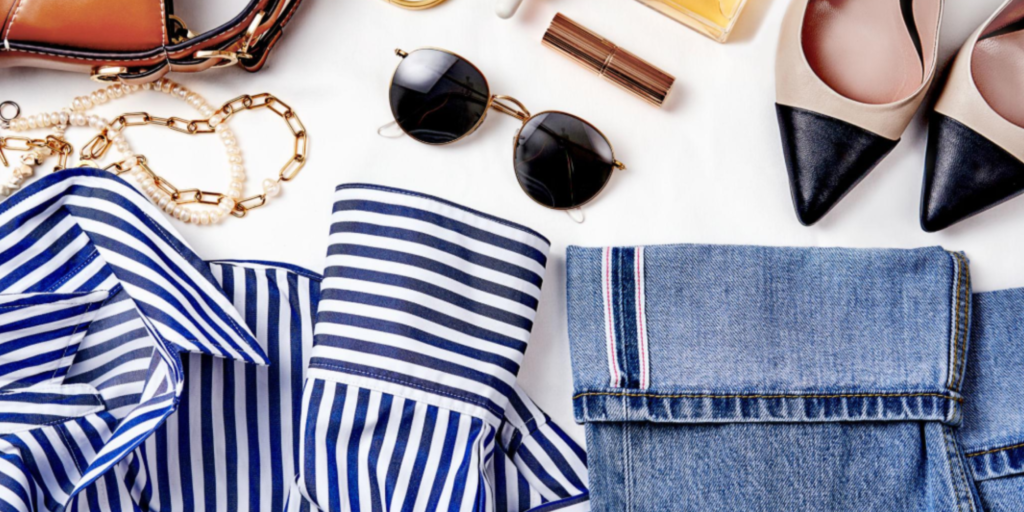
The Science Behind Attractive Outfit Styling in 2026
Fashion has always been more than clothing because personal style strongly influences confidence, emotional expression, social perception, and identity. In 2026, attractive outfit styling is becoming increasingly connected to psychology, visual balance, body proportions, color science, emotional influence, and cultural aesthetics. Modern fashion consumers no longer focus only on expensive clothing or brand names because people now understand that styling itself plays one of the biggest roles in creating visually appealing and confident appearances.
The science behind attractive outfit styling involves understanding how colors, textures, proportions, layering, accessories, and body language work together to influence human perception. Fashion psychology suggests that clothing choices affect not only how others view an individual but also how people emotionally feel about themselves.
A well-styled outfit can create impressions of confidence, professionalism, creativity, elegance, or approachability even before a person speaks. At the same time, poorly balanced styling may unintentionally create discomfort, visual confusion, or lack of harmony.
Social media, celebrity culture, fashion influencers, and digital fashion platforms have significantly changed how people understand style and outfit coordination. Consumers now pay closer attention to color combinations, minimalism, tailoring, layering, seasonal aesthetics, and personal branding through fashion.
The positive reality is that attractive styling is not limited to expensive wardrobes or luxury brands. Understanding fashion balance, fit, and visual harmony often matters more than price alone.
At the same time, excessive comparison culture and unrealistic online beauty standards may occasionally create emotional pressure and self-confidence issues related to personal appearance.
This guide explores the science behind attractive outfit styling in 2026, including fashion psychology, color coordination, body proportion principles, emotional impact of clothing, modern styling techniques, and why balanced fashion aesthetics influence confidence and perception.
Why Attractive Styling Matters
Clothing creates immediate visual impressions because humans naturally respond to colors, shapes, textures, symmetry, and visual balance. Attractive styling influences how people are perceived socially, professionally, and emotionally.
Fashion psychologists often explain that outfit choices communicate personality traits, mood, confidence, lifestyle preferences, and cultural identity. A well-balanced outfit may create feelings of self-assurance and emotional comfort, while uncomfortable or visually inconsistent clothing may negatively affect confidence.
Modern fashion culture increasingly values individuality and authenticity. Attractive styling is no longer only about following trends because personal expression and emotional comfort are becoming equally important.
At the same time, fashion pressure created by social media may sometimes encourage unhealthy comparison and unrealistic expectations regarding beauty and style perfection.
Color Psychology Plays a Major Role
Color psychology strongly influences outfit attractiveness because colors affect emotional perception and visual balance. Different shades create different emotional responses and social impressions.
Neutral tones such as black, white, beige, and gray often create sophisticated, elegant, and timeless appearances. Bright colors may communicate energy, creativity, confidence, or excitement, while softer tones frequently create calm, approachable, and relaxed impressions.
Fashion stylists often use color coordination to create harmony and visual balance within outfits. Complementary colors enhance contrast attractively, while monochromatic styling creates refined and minimal aesthetics.
Poor color coordination may occasionally create visual discomfort or overwhelming combinations that reduce outfit harmony.
Understanding color psychology helps individuals create outfits that align with mood, personality, occasion, and emotional expression more effectively.
Proper Fit Improves Visual Appeal
One of the most important elements of attractive outfit styling is clothing fit. Even expensive fashion pieces may appear less appealing if proportions and tailoring feel uncomfortable or unbalanced.
Well-fitted clothing improves silhouette structure, body balance, and overall appearance. Oversized fashion can appear stylish when balanced correctly, but excessive volume or poor tailoring may sometimes reduce outfit sharpness.
Fashion science suggests that balanced proportions create visual harmony because the human brain naturally responds positively to symmetry and structure.
Tight or uncomfortable clothing may occasionally create physical discomfort and emotional self-consciousness, reducing confidence and natural body language.
Modern fashion increasingly focuses on comfort-driven tailoring that combines relaxed aesthetics with structured styling.
Body Proportions Influence Styling Balance
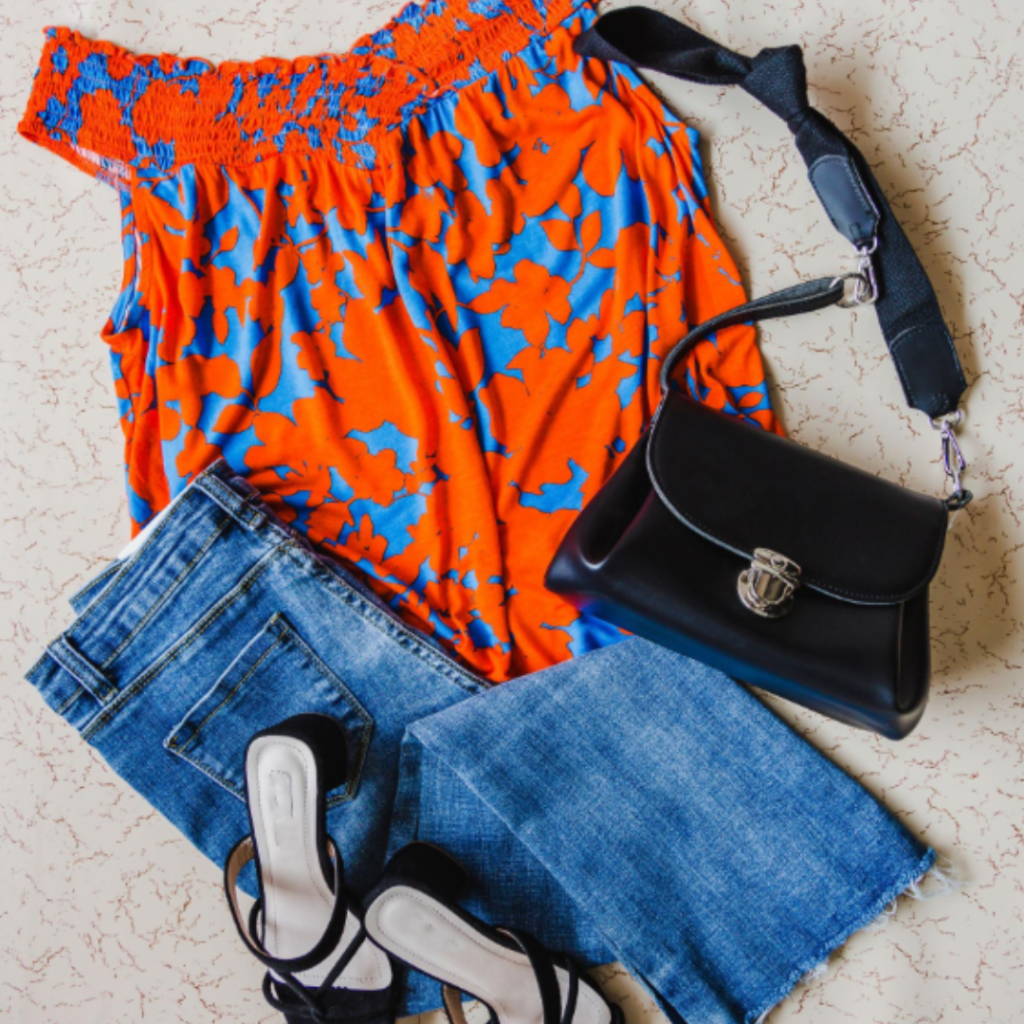
Fashion stylists often focus on proportion science because outfit balance strongly affects visual attractiveness. The placement of clothing lines, waist emphasis, layering, and garment length all influence how body proportions appear visually.
High-waisted pants, structured jackets, cropped layers, and elongated silhouettes help create balanced proportions and flattering styling effects.
The goal of modern styling is not perfection but visual harmony and confidence enhancement.
Consumers increasingly appreciate body-positive fashion approaches that focus on individual comfort and self-expression rather than unrealistic beauty standards.
At the same time, excessive pressure to achieve “perfect proportions” through fashion may sometimes affect emotional well-being negatively.
Texture and Fabric Combination Create Depth
Attractive styling also depends heavily on texture coordination. Mixing fabrics such as denim, leather, silk, cotton, knitwear, and structured materials creates visual depth and sophistication.
Fashion experts often combine contrasting textures to make outfits appear more dynamic and visually interesting. Smooth fabrics create elegance, while textured materials add personality and complexity.
Seasonal styling also influences fabric choices significantly. Lightweight fabrics create freshness and comfort during warmer months, while layered textures improve warmth and visual richness in colder seasons.
Poor texture coordination may occasionally make outfits feel visually chaotic or emotionally uncomfortable.
Balanced texture styling enhances both aesthetic appeal and practical comfort.
Minimalism Is Influencing Modern Fashion
Minimalist styling continues dominating global fashion trends because consumers increasingly value simplicity, elegance, versatility, and timeless aesthetics.
Minimal fashion focuses on clean lines, neutral palettes, structured silhouettes, and carefully selected accessories rather than excessive decoration.
This approach often creates visually calm and sophisticated appearances that feel emotionally balanced and refined.
Minimalist styling also supports sustainable fashion habits because versatile clothing combinations reduce unnecessary consumption.
However, overly minimal styling may occasionally feel emotionally distant or lacking individuality if personal expression is completely removed.
The most attractive minimalist outfits usually combine simplicity with subtle personality and thoughtful detail.
Accessories Complete Outfit Styling
Accessories strongly influence outfit perception because they add structure, personality, and visual focus. Bags, jewelry, sunglasses, belts, shoes, and watches help refine fashion identity and styling balance.
Well-selected accessories create polished and intentional appearances. Modern fashion trends often emphasize balance rather than excessive layering of accessories.
Statement accessories can improve otherwise simple outfits dramatically by adding contrast and individuality.
However, excessive accessory styling may occasionally overwhelm outfit harmony and reduce visual elegance.
Modern consumers increasingly prefer thoughtful styling over heavily crowded fashion combinations.
Confidence Improves Fashion Perception
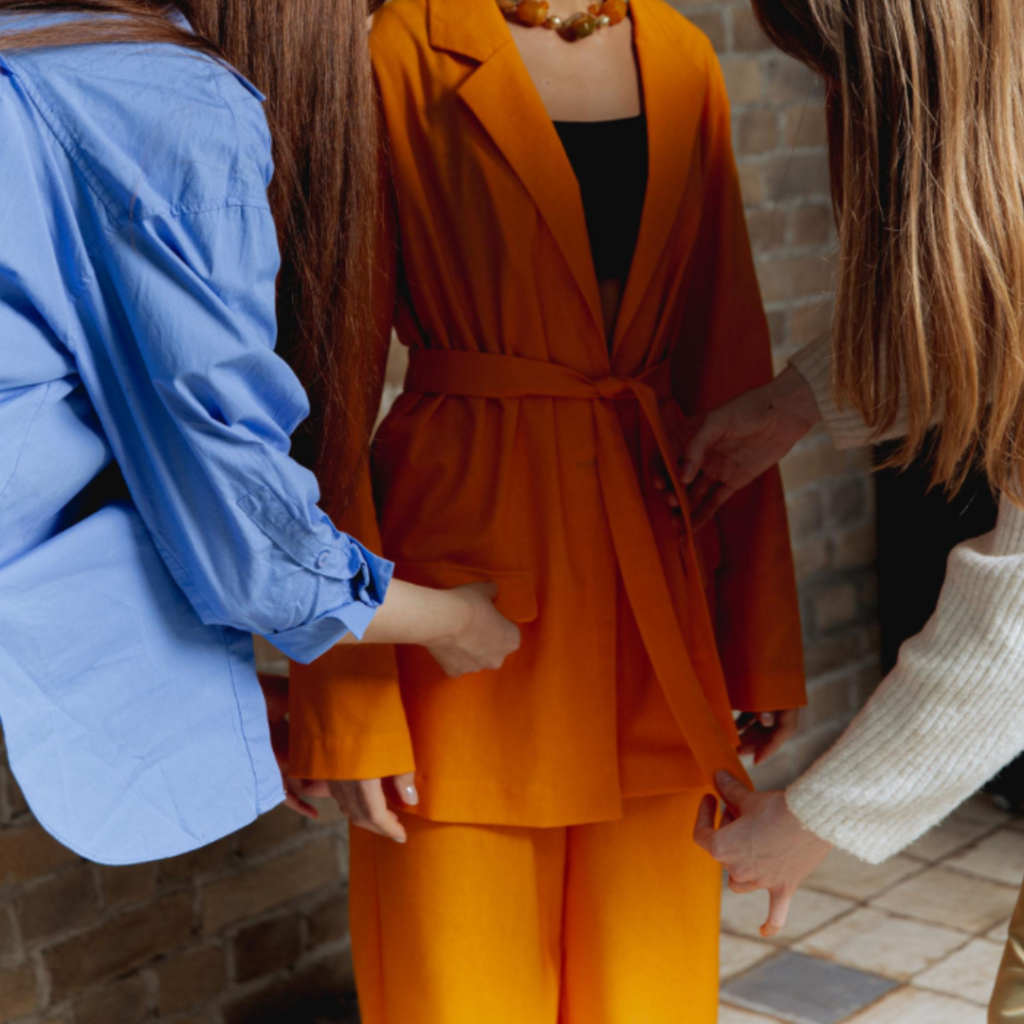
One of the strongest psychological factors behind attractive styling is confidence. Studies in fashion psychology suggest that people often perceive confident individuals as more stylish regardless of clothing price or brand.
Clothing influences emotional state significantly. Wearing outfits that feel comfortable, balanced, and authentic often improves posture, body language, and self-assurance naturally.
Fashion becomes most attractive when individuals feel emotionally comfortable and confident in their personal style choices.
At the same time, constantly seeking external validation through fashion may create emotional insecurity and self-doubt over time.
Healthy fashion confidence comes from self-expression rather than social approval alone.
Social Media Changed Outfit Styling Trends
Social media platforms have dramatically transformed modern fashion aesthetics. Outfit styling trends now spread globally within hours through influencers, celebrity culture, and digital fashion communities.
Consumers increasingly analyze details such as color palettes, layering techniques, neutral styling, seasonal aesthetics, and visual presentation inspired by online fashion content.
This digital exposure has improved fashion awareness and styling creativity significantly.
However, constant comparison with highly curated online fashion images may occasionally create emotional pressure and unrealistic appearance expectations.
Maintaining personal style authenticity remains important despite rapidly changing online trends.
Fashion and Emotional Psychology
Fashion strongly affects emotional well-being because clothing influences self-perception, social interaction, and mood. Comfortable and visually balanced outfits often improve emotional confidence and mental positivity.
Certain colors and textures may create calming effects, while others communicate boldness, creativity, or authority.
Fashion also functions as emotional storytelling because people often use clothing to express identity, personality, lifestyle, and personal experiences.
Negative emotional effects may occur when individuals feel pressured to follow unrealistic beauty standards or constantly compare themselves with others.
The healthiest approach to styling focuses on confidence, comfort, and personal authenticity rather than perfection.
Seasonal Styling Improves Outfit Appeal
Seasonal awareness significantly improves outfit attractiveness because clothing harmony often depends on weather, textures, and environmental context.
Spring and summer fashion typically emphasizes lighter fabrics, brighter tones, and breathable silhouettes, while autumn and winter styling often involves layering, darker shades, and textured fabrics.
Consumers increasingly appreciate practical fashion that combines comfort with visual sophistication according to seasonal needs.
Ignoring seasonal balance may occasionally create uncomfortable styling experiences or visually disconnected outfits.
Sustainable Styling Is Becoming Important
Modern consumers are increasingly moving toward sustainable fashion and intentional wardrobe building. Attractive styling is now less connected to excessive shopping and more connected to versatility, quality, and mindful outfit coordination.
Capsule wardrobes, timeless pieces, neutral color systems, and repeat styling have become more respected within fashion culture.
Sustainable styling reduces waste while encouraging creativity and emotional connection with clothing.
At the same time, fast fashion trends still create pressure for constant wardrobe updates and trend-chasing behavior.
Future of Attractive Outfit Styling
Fashion styling in 2026 is becoming increasingly connected to:
- AI-powered styling tools
- Virtual outfit planning
- Personalized fashion recommendations
- Sustainable wardrobe systems
- Digital fashion communities
- Body-positive styling approaches
Consumers increasingly seek authenticity, comfort, emotional balance, and individuality alongside visual attractiveness.
Fashion technology may continue improving styling convenience, but emotional connection and personal confidence will remain central to attractive fashion perception.
Best Fashion Inspiration Platforms
Fashion enthusiasts interested in learning styling techniques and outfit inspiration can explore trusted platforms including:
These platforms regularly feature styling guides, trend analysis, seasonal inspiration, and fashion psychology insights.
Final Thoughts
The science behind attractive outfit styling in 2026 goes far beyond clothing brands or expensive fashion trends. Color psychology, body proportions, texture coordination, emotional comfort, confidence, and visual balance all influence how outfits are perceived socially and emotionally.
Modern fashion consumers increasingly understand that attractive styling comes from harmony, individuality, and authenticity rather than excessive consumption alone. Well-balanced outfits improve confidence, emotional expression, and personal identity while creating visually appealing impressions.
At the same time, social media pressure, unrealistic beauty standards, and trend-driven comparison culture may occasionally affect emotional well-being and self-confidence negatively.
The future of fashion styling will likely focus more on sustainable choices, personal authenticity, emotional comfort, and intelligent styling systems that support individuality rather than perfection.
For fashion enthusiasts, influencers, designers, and everyday consumers alike, understanding the psychology and science behind outfit styling can help create stronger confidence, healthier fashion habits, and more meaningful personal style expression.
More Blogs you may read
Desk-to-Dinner Outfit Ideas: Stylish Looks That Transition Effortlessly From Office to Evening 2026
Desk-to-Dinner Outfit Ideas Modern lifestyles often require clothing that adapts...
Read More
Caring for Luxury Clothing: The Complete Guide to Preserve Premium Fashion for Years 2026
Caring for Luxury Clothing Luxury clothing is more than a...
Read MoreAI Fabric Matching Tools: How Artificial Intelligence Is Transforming Fabric Selection and Fashion Design 2026
AI Fabric Matching Tools The fashion industry has always relied...
Read More