
Most Expensive Fashion Trends of the Year in 2026
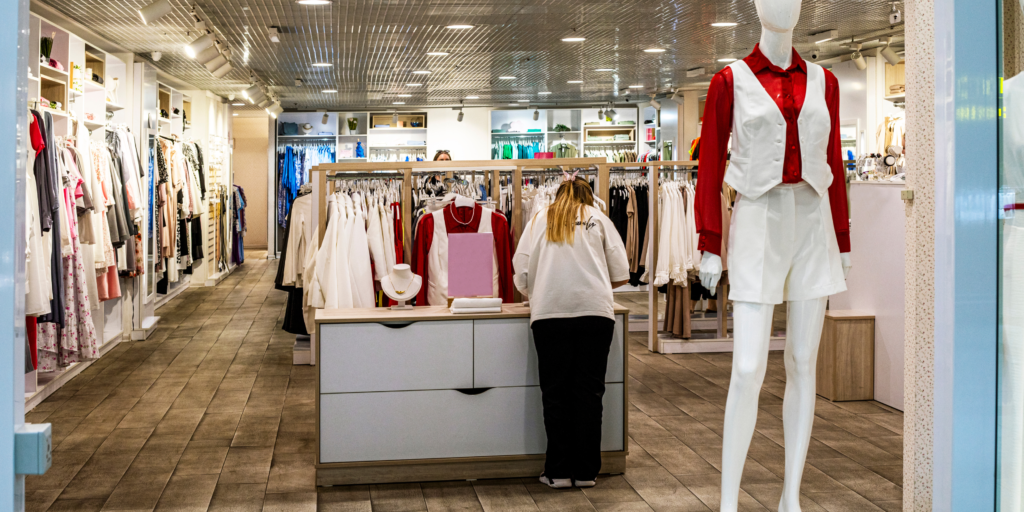
The global fashion industry continues evolving rapidly as luxury brands, celebrity culture, social media influence, and premium lifestyle aesthetics reshape consumer preferences in 2026. Fashion is no longer viewed only as clothing because modern style has become deeply connected to identity, exclusivity, status, creativity, and digital influence. Every year, luxury fashion houses introduce new high-end trends that dominate runways, celebrity wardrobes, and global fashion conversations.
In 2026, expensive fashion trends are becoming more extravagant, futuristic, and visually dramatic than ever before. Designer handbags, luxury streetwear, couture gowns, premium sneakers, statement jewelry, transparent accessories, AI-enhanced fashion, and customized luxury pieces are attracting enormous attention worldwide.
Consumers increasingly seek unique fashion experiences that combine prestige, individuality, innovation, and emotional expression. Luxury fashion trends often reflect social influence, digital culture, celebrity endorsements, and evolving lifestyle aspirations.
At the same time, expensive fashion trends also create mixed reactions within society. While many fashion enthusiasts admire craftsmanship, creativity, and exclusivity, others criticize excessive consumerism, unrealistic beauty standards, environmental impact, and financial pressure created by luxury culture.
The positive reality is that luxury fashion continues driving innovation, artistic expression, and premium craftsmanship across the industry. However, the growing focus on exclusivity and status may occasionally create emotional stress for consumers influenced heavily by comparison culture and social media expectations.
This guide explores the most expensive fashion trends of the year in 2026, why luxury fashion remains influential, how premium trends shape global style culture, the emotional impact of designer fashion, and the future of high-end fashion aesthetics.
Why Luxury Fashion Trends Continue Growing
Luxury fashion remains powerful because consumers increasingly associate premium fashion with confidence, identity, social image, and personal achievement. High-end fashion brands create emotional experiences that go beyond clothing by offering exclusivity, craftsmanship, storytelling, and aspirational lifestyle branding.
Social media platforms have accelerated luxury trend visibility dramatically. Celebrities, influencers, musicians, athletes, and fashion creators regularly showcase premium outfits, designer handbags, luxury sneakers, and couture collections online, making expensive fashion more desirable globally.
Fashion consumers often admire luxury trends because they symbolize elegance, creativity, and modern sophistication. However, constant exposure to premium lifestyles may sometimes create financial pressure, unrealistic expectations, or emotional insecurity among individuals trying to follow expensive trends continuously.
Luxury Streetwear Is Dominating Global Fashion
Luxury streetwear has become one of the most expensive and influential fashion movements in 2026. Designer brands increasingly combine casual street style with premium fabrics, oversized silhouettes, bold graphics, and celebrity-inspired aesthetics.
Luxury hoodies, sneakers, cargo pants, varsity jackets, and statement accessories now appear regularly in high-fashion collections. Younger consumers especially appreciate streetwear because it blends comfort with exclusivity and modern cultural identity.
Premium streetwear brands often release limited-edition collections that create high demand and resale value. Some luxury sneakers and collaboration pieces reach extremely high prices due to rarity and celebrity influence.
At the same time, hype-driven fashion culture may encourage impulsive spending habits and excessive trend-following behavior among consumers.
Designer Handbags Remain Status Symbols
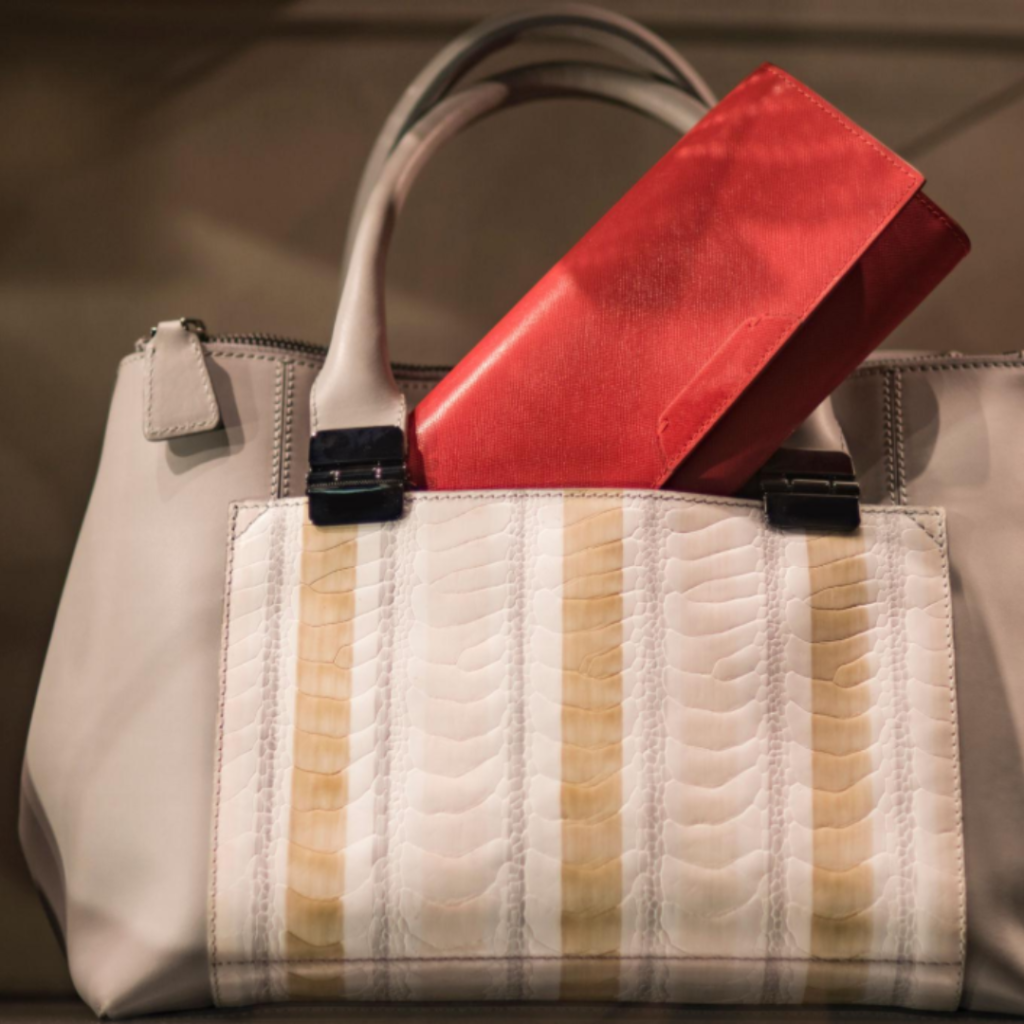
Luxury handbags continue representing one of the strongest symbols of wealth, prestige, and fashion influence. Premium fashion houses release exclusive handbag collections using rare materials, handcrafted detailing, and limited production techniques.
Consumers often invest in designer handbags because they combine functionality with emotional value and social recognition. Some luxury bags even increase in resale value over time, making them attractive as fashion investments.
Fashion influencers and celebrities frequently showcase designer handbags as essential components of luxury styling. This visibility significantly increases consumer demand and brand desirability worldwide.
However, expensive handbag culture may also create financial pressure and unrealistic lifestyle comparisons for individuals influenced heavily by social media luxury aesthetics.
Couture Fashion Is Becoming More Extravagant
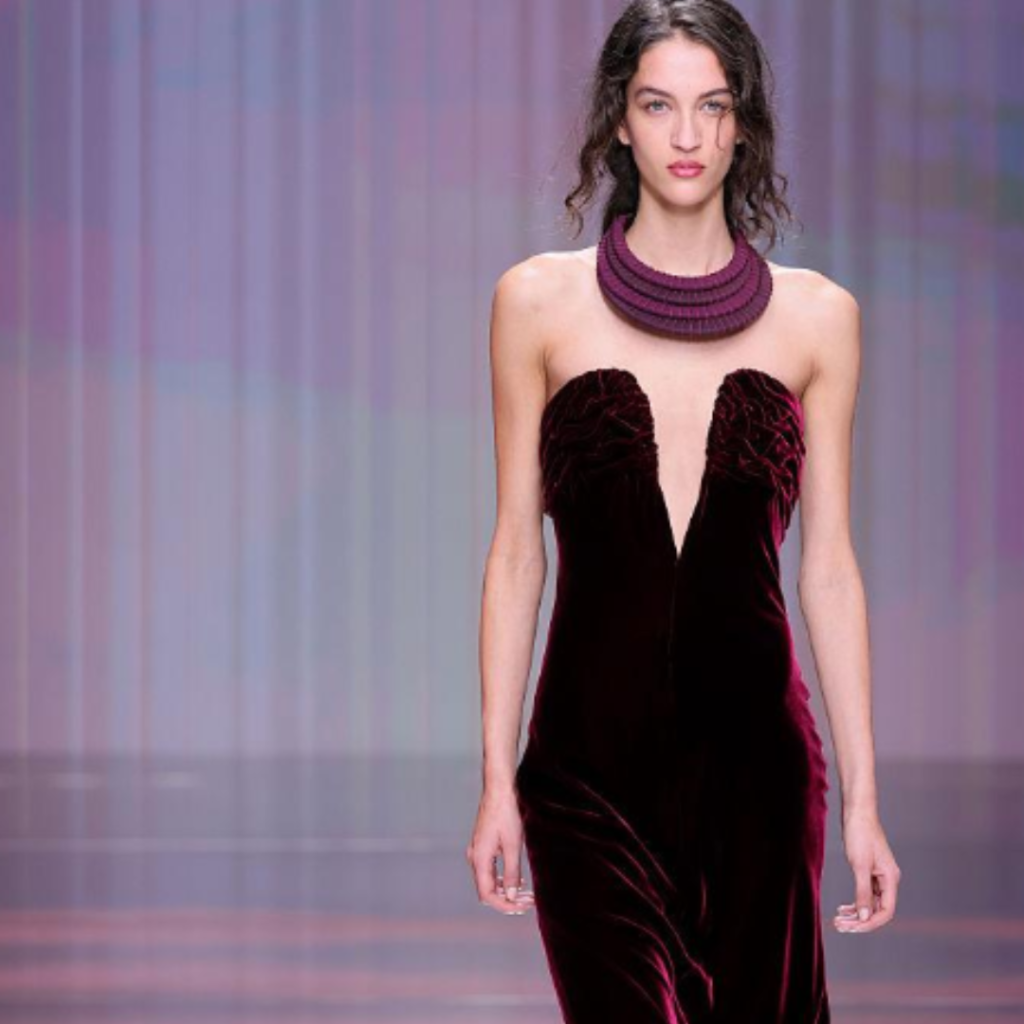
Couture fashion continues pushing artistic boundaries through highly detailed craftsmanship, dramatic silhouettes, luxurious fabrics, and experimental designs. Couture collections often feature hand-embroidered garments, crystal embellishments, sculptural tailoring, and futuristic fashion concepts.
Luxury fashion houses use couture to demonstrate creativity, exclusivity, and artistic prestige rather than focusing only on commercial sales.
Consumers admire couture because it represents fashion as wearable art and emotional storytelling. Runway shows increasingly combine technology, theatrical presentation, and digital visuals to create unforgettable luxury experiences.
At the same time, couture fashion may occasionally feel disconnected from everyday practicality because of extreme pricing and highly dramatic styling concepts.
Premium Sneakers Are More Valuable Than Ever
Luxury sneakers have become one of the most expensive fashion trends in modern street culture. Collaborations between luxury brands, athletes, musicians, and designers create highly collectible footwear that attracts global attention.
Sneaker culture combines fashion, exclusivity, identity, and social influence. Limited-edition sneaker releases often sell out rapidly, with resale prices increasing dramatically afterward.
Consumers appreciate luxury sneakers because they blend comfort, cultural influence, and premium aesthetics. Many collectors view exclusive footwear as both fashion statements and investment pieces.
However, sneaker hype culture may occasionally encourage overspending, unhealthy competition, and emotional obsession with limited releases.
High-End Jewelry Trends Are Expanding
Luxury jewelry continues evolving through oversized statement pieces, futuristic designs, transparent gemstones, layered styling, and personalized customization.
Consumers increasingly seek jewelry that reflects individuality and emotional expression rather than traditional minimalism alone. Premium brands experiment with diamonds, precious metals, digital-inspired aesthetics, and sculptural forms to attract younger luxury consumers.
Celebrity fashion heavily influences modern jewelry trends because musicians and influencers regularly showcase extravagant accessories online.
At the same time, highly expensive jewelry trends may reinforce status competition and materialistic social comparison within fashion culture.
Transparent Luxury Accessories Are Trending
Transparent accessories have become increasingly popular within luxury fashion because they create futuristic and visually striking aesthetics. Clear handbags, acrylic heels, translucent sunglasses, and glossy PVC accessories now appear frequently in designer collections.
Luxury brands combine transparent materials with metallic accents, premium finishes, and modern silhouettes to create innovative statement pieces.
Consumers admire transparent fashion because it feels contemporary, experimental, and digitally inspired.
However, some fashion critics question the practicality and sustainability of certain transparent materials, especially when synthetic plastics contribute to environmental concerns.
Sustainable Luxury Fashion Is Growing
Sustainability has become an important influence within expensive fashion trends. Consumers increasingly expect luxury brands to balance exclusivity with ethical responsibility and environmental awareness.
Many high-end fashion houses now focus on sustainable fabrics, recycled materials, eco-conscious manufacturing, and responsible sourcing systems.
Luxury consumers are becoming more mindful about overconsumption and environmental impact, especially younger generations who value sustainability alongside prestige.
At the same time, sustainable luxury fashion may occasionally involve higher production costs, making eco-friendly premium products even more expensive.
Celebrity Influence Shapes Expensive Fashion Trends
Celebrities continue driving luxury fashion trends globally. Musicians, actors, influencers, athletes, and digital creators influence consumer behavior through social media appearances, red carpet events, and fashion collaborations.
Celebrity styling often transforms niche luxury items into mainstream fashion desires almost instantly. Premium brands strategically collaborate with famous personalities to increase cultural relevance and online visibility.
Social media platforms amplify celebrity fashion rapidly, making luxury trends more accessible visually even if financially unattainable for many consumers.
However, celebrity-driven fashion culture may create emotional pressure for individuals comparing themselves constantly with highly curated luxury lifestyles.
AI and Technology Are Entering Luxury Fashion
Artificial intelligence and digital technology are influencing expensive fashion trends significantly in 2026. Luxury brands now experiment with AI-designed collections, smart fabrics, digital fashion experiences, virtual showrooms, and personalized styling systems.
Technology allows brands to create futuristic aesthetics and improve customer engagement through innovation.
Consumers increasingly enjoy immersive digital luxury experiences, especially younger generations interested in futuristic fashion culture.
At the same time, excessive technological integration may occasionally reduce emotional craftsmanship and human artistic connection traditionally associated with luxury fashion.
Emotional Impact of Expensive Fashion Culture
Fashion strongly affects confidence, identity, aspiration, and emotional self-expression. Luxury trends often make consumers feel stylish, successful, and socially recognized.
However, expensive fashion culture may also create emotional stress, financial insecurity, comparison anxiety, and pressure to maintain unrealistic lifestyles.
Social media has intensified these emotional effects because curated luxury content constantly exposes consumers to glamorous lifestyles and premium products.
Fashion becomes healthier and more empowering when individuals focus on personal expression rather than social validation alone.
Future of Luxury Fashion Trends
Luxury fashion trends are expected to continue evolving through:
- AI-enhanced fashion design
- Sustainable luxury materials
- Smart wearable technology
- Digital couture experiences
- Personalized premium styling
- Limited-edition exclusivity
Future luxury consumers will likely seek emotional authenticity, sustainability, personalization, and innovation alongside status and exclusivity.
Brands capable of balancing creativity, technology, ethics, and emotional storytelling are likely to lead the future luxury fashion market successfully.
Fashion Investment and Consumer Behavior
Many luxury consumers now view expensive fashion as investment rather than temporary style consumption. Designer handbags, collectible sneakers, limited-edition accessories, and vintage couture often gain resale value over time.
This investment mindset has changed how consumers interact with luxury products. Buyers increasingly research exclusivity, craftsmanship, brand heritage, and future resale demand before purchasing expensive fashion items.
At the same time, viewing fashion purely as financial investment may reduce emotional enjoyment and artistic appreciation associated with personal style.
Best Luxury Fashion Inspiration Platforms
Fashion enthusiasts exploring luxury trends and premium styling inspiration can follow trusted fashion platforms including:
These platforms regularly feature runway collections, luxury styling, celebrity trends, and fashion innovation insights.
Final Thoughts
The most expensive fashion trends of the year in 2026 reflect the growing influence of luxury culture, celebrity fashion, digital aesthetics, and premium lifestyle branding across the global fashion industry. Luxury streetwear, designer handbags, couture fashion, premium sneakers, transparent accessories, and AI-enhanced fashion are shaping modern style culture dramatically.
Consumers increasingly seek fashion that combines exclusivity, creativity, emotional identity, and futuristic innovation. At the same time, expensive fashion trends also raise important conversations regarding sustainability, consumer pressure, emotional comparison, and overconsumption.
Luxury fashion continues driving artistic creativity, craftsmanship, and technological experimentation within the industry. However, the healthiest approach to fashion remains personal expression rather than constant social competition or financial pressure.
For fashion enthusiasts, designers, and luxury consumers, expensive fashion trends represent both the excitement and complexity of modern global style culture in the digital age.
More Blogs you may read
Desk-to-Dinner Outfit Ideas: Stylish Looks That Transition Effortlessly From Office to Evening 2026
Desk-to-Dinner Outfit Ideas Modern lifestyles often require clothing that adapts...
Read More
Caring for Luxury Clothing: The Complete Guide to Preserve Premium Fashion for Years 2026
Caring for Luxury Clothing Luxury clothing is more than a...
Read MoreAI Fabric Matching Tools: How Artificial Intelligence Is Transforming Fabric Selection and Fashion Design 2026
AI Fabric Matching Tools The fashion industry has always relied...
Read More