
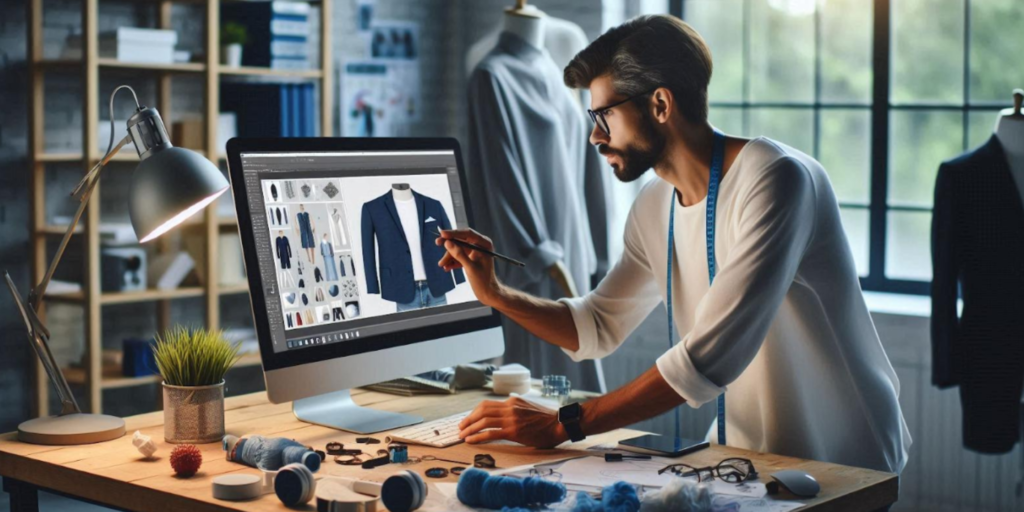
Best AI Tools for Fashion Designers in 2026
The fashion industry is experiencing a major technological transformation as artificial intelligence continues reshaping the way designers create, analyze, market, and innovate fashion products in 2026. Fashion design is no longer limited to traditional sketching methods or manual production systems because AI-powered tools are now helping designers improve creativity, speed, personalization, sustainability, and digital innovation across the entire fashion process.
Artificial intelligence has entered nearly every area of modern fashion, including trend forecasting, fabric analysis, digital sketching, virtual fitting, customer personalization, inventory planning, and automated design assistance. Fashion designers increasingly rely on AI tools to save time, improve efficiency, understand consumer behavior, and develop visually unique collections for modern markets.
The rise of AI in fashion reflects broader digital transformation happening worldwide. Consumers now expect faster product innovation, personalized experiences, sustainable production, and futuristic aesthetics from fashion brands. As competition increases globally, designers are adopting intelligent software and digital tools to remain creative and commercially successful.
At the same time, the growing influence of AI also creates emotional and professional concerns within the fashion industry. Some designers fear that excessive automation may reduce originality, emotional storytelling, human creativity, and traditional craftsmanship that have always defined artistic fashion culture.
The positive reality is that artificial intelligence is not fully replacing designers. Instead, AI is becoming a powerful support system that helps fashion professionals improve productivity, explore new ideas, and adapt to rapidly changing industry trends.
This guide explores the best AI tools for fashion designers in 2026, how artificial intelligence is transforming the fashion industry, the benefits and challenges of fashion technology, and why AI-driven creativity is shaping the future of global fashion design.
How Artificial Intelligence Is Changing Fashion Design
Artificial intelligence has dramatically changed the way fashion brands and designers approach creativity and production. In earlier years, fashion design depended heavily on manual sketching, physical sampling, traditional forecasting, and long development cycles.
Modern AI tools now help designers generate concepts, predict trends, analyze customer preferences, and visualize garments digitally before physical production begins.
This transformation allows brands to reduce waste, improve speed, and respond more effectively to rapidly changing consumer demands. AI systems can process massive amounts of fashion data, helping companies understand which colors, styles, fabrics, and silhouettes may become popular in upcoming seasons.
Designers increasingly combine human imagination with AI-powered analysis to create collections that feel both innovative and commercially relevant.
At the same time, some professionals worry that relying too heavily on technology may gradually reduce emotional depth and artistic individuality within fashion culture.
AI-Powered Trend Forecasting Tools
Trend forecasting has become one of the most valuable uses of artificial intelligence in fashion. Predicting future consumer preferences is extremely important because fashion trends evolve rapidly through social media, celebrity influence, cultural movements, and digital shopping behavior.
AI trend forecasting tools analyze massive amounts of online data, fashion images, social media engagement, customer purchasing behavior, and runway collections to identify emerging trends before they become mainstream.
Designers and fashion brands use these insights to develop collections aligned with future market demand. This process improves decision-making and reduces financial risks associated with unsuccessful inventory production.
However, depending entirely on algorithmic trend analysis may occasionally create repetitive fashion cycles where originality becomes less visible.
Balancing data-driven forecasting with personal creativity remains extremely important for long-term design innovation.
Adobe Firefly and AI Fashion Creativity
Adobe Firefly has become one of the most popular AI-powered creative tools for designers in 2026. Fashion professionals use the platform to generate digital concepts, experiment with visual ideas, and create futuristic mood boards quickly.
AI-generated visuals help designers explore color combinations, textures, patterns, and silhouettes before beginning production stages. This significantly reduces development time and supports faster experimentation.
Fashion creators appreciate the platform because it improves workflow efficiency while allowing rapid visual exploration.
At the same time, some designers believe AI-generated concepts may occasionally feel emotionally detached or visually similar if originality is not carefully maintained.
CLO 3D Is Transforming Digital Fashion Design
CLO 3D has become one of the most influential fashion design tools for creating realistic digital garments and virtual prototypes.
Designers use CLO 3D to visualize clothing in realistic movement and fabric simulation before manufacturing physical samples. This technology helps reduce waste, save production costs, and improve design precision.
Digital garment visualization also allows fashion brands to collaborate remotely and present collections virtually to clients, buyers, and marketing teams.
The fashion industry increasingly values digital sampling because sustainability concerns continue growing globally.
However, learning advanced digital software may initially feel technically overwhelming for traditional designers unfamiliar with virtual fashion systems.
AI Fashion Design and Sustainability
Sustainability has become a critical concern in modern fashion because fast fashion production contributes significantly to environmental pollution, waste, and overconsumption.
AI tools are helping fashion brands improve sustainability by optimizing material usage, reducing overproduction, predicting demand more accurately, and improving supply chain efficiency.
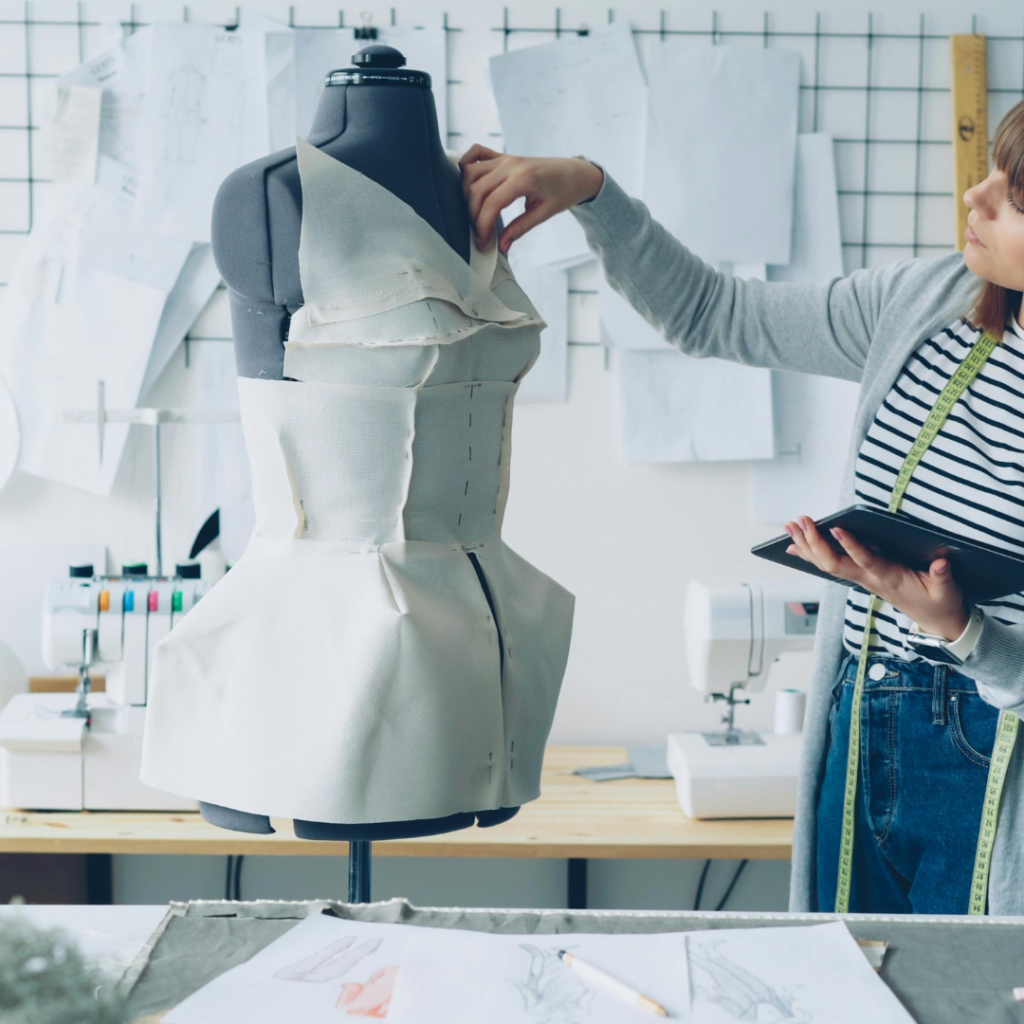
Digital prototyping tools reduce unnecessary fabric waste because designers can test concepts virtually before manufacturing physical garments.
Consumers increasingly support brands that combine innovation with environmental responsibility. Fashion companies ignoring sustainability may face reputational damage and declining customer trust in the future.
At the same time, advanced AI systems themselves require technological infrastructure and energy resources, meaning sustainability challenges still exist within digital industries.
Virtual Fitting Technology Is Improving Shopping Experience
Artificial intelligence is also changing how consumers experience fashion shopping. Virtual fitting tools allow customers to visualize clothing digitally using AI-powered body scanning and augmented reality systems.
Fashion brands use this technology to improve online shopping confidence and reduce product returns caused by incorrect sizing or unrealistic expectations.
Consumers increasingly appreciate personalized shopping experiences that feel convenient and technologically advanced.
However, some shoppers may still prefer physical fitting experiences because emotional comfort and tactile interaction remain important in fashion purchasing decisions.
Runway ML and Creative Fashion Innovation
Runway ML has gained popularity among creative professionals because it combines AI-powered video editing, visual effects, image generation, and digital storytelling tools.
Fashion designers use Runway ML to create campaign visuals, digital presentations, futuristic fashion films, and experimental branding content.
The platform supports highly creative visual storytelling, helping fashion brands develop stronger digital identity and audience engagement.
However, excessive digital manipulation may occasionally create unrealistic beauty standards or overly artificial fashion aesthetics that feel emotionally disconnected from real consumers.
Canva AI and Fashion Branding
Canva has become increasingly valuable for fashion startups, influencers, and independent designers because of its AI-enhanced design capabilities.
Fashion professionals use Canva to create social media graphics, promotional content, mood boards, lookbooks, and marketing presentations quickly.
AI-assisted design templates help smaller brands produce visually professional content without requiring advanced graphic design expertise.
The accessibility of AI design tools has democratized fashion branding significantly, allowing more independent creators to compete digitally.
However, highly templated content may sometimes reduce visual uniqueness if brands rely too heavily on pre-designed layouts.
AI-Generated Fashion Concepts Are Expanding Creativity
AI image generation systems now allow designers to explore highly experimental fashion concepts inspired by futuristic themes, architecture, digital culture, gaming aesthetics, and virtual worlds.
These tools help fashion creators generate unconventional silhouettes, textile ideas, and visual concepts that might not emerge through traditional sketching methods alone.
Many designers use AI-generated inspiration as a starting point rather than final creative output. Human creativity remains essential for refining concepts and adding emotional storytelling to fashion collections.
Some critics argue that excessive AI-generated fashion risks reducing artistic authenticity if originality becomes too algorithm-driven.
AI and Personalized Fashion Experiences
Modern consumers increasingly expect personalized experiences from fashion brands. Artificial intelligence helps companies analyze customer preferences, shopping history, body measurements, and style behavior to recommend customized fashion products.
AI-powered personalization improves customer satisfaction and strengthens brand engagement.
Consumers often feel more emotionally connected to brands offering unique and tailored shopping experiences.
However, privacy concerns regarding personal data collection may occasionally create hesitation among consumers who value digital security and ethical technology practices.
Emotional Impact of AI in Fashion Industry
The integration of AI into fashion creates both excitement and uncertainty within the industry. Many designers feel inspired by technological innovation and the creative possibilities AI offers.
At the same time, some fashion professionals worry about automation reducing human craftsmanship, emotional storytelling, and traditional artistic processes.
Fashion has always reflected culture, emotion, identity, and individuality. Maintaining emotional authenticity alongside technological advancement will remain extremely important for the future of fashion design.
Consumers often connect deeply with brands that preserve creativity, human expression, and meaningful storytelling rather than relying entirely on automated systems.
Future of AI Fashion Design in 2026
Artificial intelligence is expected to continue expanding across fashion industries through:
- AI-generated collections
- Virtual fashion shows
- Digital clothing for metaverse platforms
- Sustainable smart manufacturing
- Personalized shopping systems
- Intelligent textile innovation
Fashion designers who combine creativity with digital adaptability are likely to gain strong competitive advantages in future markets.
Technology will continue reshaping fashion, but human imagination, emotional connection, and cultural storytelling will remain deeply valuable.
Best Platforms for Fashion Designers
Fashion professionals interested in AI-powered creativity and digital fashion tools can explore trusted platforms including:
Continuous learning and experimentation are extremely important for adapting to future fashion technology trends.
Final Thoughts
The rise of artificial intelligence is transforming the global fashion industry in 2026 by improving creativity, personalization, sustainability, digital innovation, and production efficiency. AI tools now help fashion designers predict trends, create digital garments, develop futuristic concepts, and improve customer experiences faster than ever before.
Platforms like Adobe Firefly, CLO 3D, Runway ML, and Canva are becoming valuable resources for modern designers seeking creative flexibility and technological advancement.
At the same time, concerns regarding originality, emotional authenticity, sustainability, and overdependence on automation continue influencing industry discussions.
The future of fashion will likely belong to designers who successfully combine human creativity, emotional storytelling, cultural awareness, and technological innovation. Artificial intelligence may enhance the design process, but authentic artistic vision and emotional connection remain deeply important in fashion culture.
For fashion designers, students, influencers, and creative professionals, learning AI-powered tools is becoming one of the smartest ways to stay competitive and future-ready in the rapidly evolving digital fashion world.
More Blogs you may read
Desk-to-Dinner Outfit Ideas: Stylish Looks That Transition Effortlessly From Office to Evening 2026
Desk-to-Dinner Outfit Ideas Modern lifestyles often require clothing that adapts...
Read More
Caring for Luxury Clothing: The Complete Guide to Preserve Premium Fashion for Years 2026
Caring for Luxury Clothing Luxury clothing is more than a...
Read MoreAI Fabric Matching Tools: How Artificial Intelligence Is Transforming Fabric Selection and Fashion Design 2026
AI Fabric Matching Tools The fashion industry has always relied...
Read More