

Fashion Habits of Successful People in 2026
How Fashion Influences Success and Personal Identity
Fashion has become much more than clothing in modern society. In 2026, fashion plays a powerful role in shaping confidence, communication, professional image, and social perception. The fashion habits of successful people are attracting growing attention because many individuals believe personal style directly influences productivity, self-esteem, networking opportunities, and leadership presence. From entrepreneurs and executives to celebrities and digital creators, successful individuals often develop intentional fashion routines that reflect discipline, confidence, and emotional balance.
Successful people usually understand that fashion is connected to personal branding and first impressions. The way someone dresses can influence how they are perceived in business meetings, social environments, and professional industries. Clothing choices often communicate confidence, ambition, creativity, and reliability before a conversation even begins. As a result, many high-performing individuals build structured wardrobe habits that simplify daily decisions while maintaining polished appearances.
This growing interest in successful lifestyle fashion positively encourages organization, self-respect, and thoughtful presentation. However, some critics believe society can sometimes place excessive importance on appearance, creating unnecessary pressure to maintain idealized professional images. Despite these concerns, fashion habits continue playing a significant role in modern success culture.
Minimalist Wardrobes Helping Successful People Stay Focused
One of the most common fashion habits of successful people is maintaining a minimalist wardrobe. Many entrepreneurs, executives, and professionals prefer simplified clothing collections featuring versatile and timeless pieces that reduce decision fatigue and improve daily efficiency. Neutral colors, clean tailoring, and high-quality basics dominate many successful wardrobes because they create reliable outfit combinations without unnecessary complexity.
Minimalist fashion habits help individuals save time during busy mornings while maintaining consistent personal style. Blazers, white shirts, tailored trousers, classic denim, and quality footwear are often repeated throughout weekly outfits with subtle variations. This structured approach allows successful people to focus more energy on important decisions rather than spending excessive time planning clothing combinations.
Minimalist wardrobes positively support productivity, mental clarity, and organized lifestyles. Many individuals feel emotionally calmer when their fashion choices are simplified. On the other hand, some people may find minimalist fashion routines repetitive or emotionally restrictive if personal creativity is ignored completely.
Consistency Building Strong Personal Branding
Consistency is another important fashion habit followed by successful people. Many influential individuals develop signature styles that become closely connected to their personal brand and public identity. Whether it is monochromatic outfits, elegant tailoring, luxury accessories, or smart casual fashion, consistent style helps create memorable professional impressions.
Fashion consistency reflects discipline, confidence, and self-awareness. Consumers and audiences often associate recognizable fashion aesthetics with leadership qualities and professional stability. Successful people understand that consistent presentation strengthens credibility and improves communication in both personal and professional environments.
This habit positively enhances confidence and public recognition. However, excessive focus on maintaining a perfect image may sometimes create emotional exhaustion or pressure to constantly appear polished in every situation.
Quality Over Quantity in Fashion Choices
Successful people often prioritize quality over quantity when building wardrobes. Instead of purchasing excessive fast-fashion items, many professionals invest in durable clothing made from premium fabrics and strong craftsmanship. Luxury basics, timeless outerwear, quality shoes, and versatile accessories are commonly viewed as long-term investments rather than temporary fashion trends.
High-quality fashion pieces often last longer, fit better, and create more polished appearances. Successful individuals usually prefer clothing that supports comfort, professionalism, and long-term value. This thoughtful approach also reduces unnecessary shopping habits and promotes more sustainable fashion behavior.
Quality-focused fashion positively supports financial awareness and environmental responsibility. Nevertheless, premium clothing products often require larger upfront investments, which may feel financially challenging for younger professionals or individuals building careers.
Time-Saving Outfit Routines Supporting Productivity
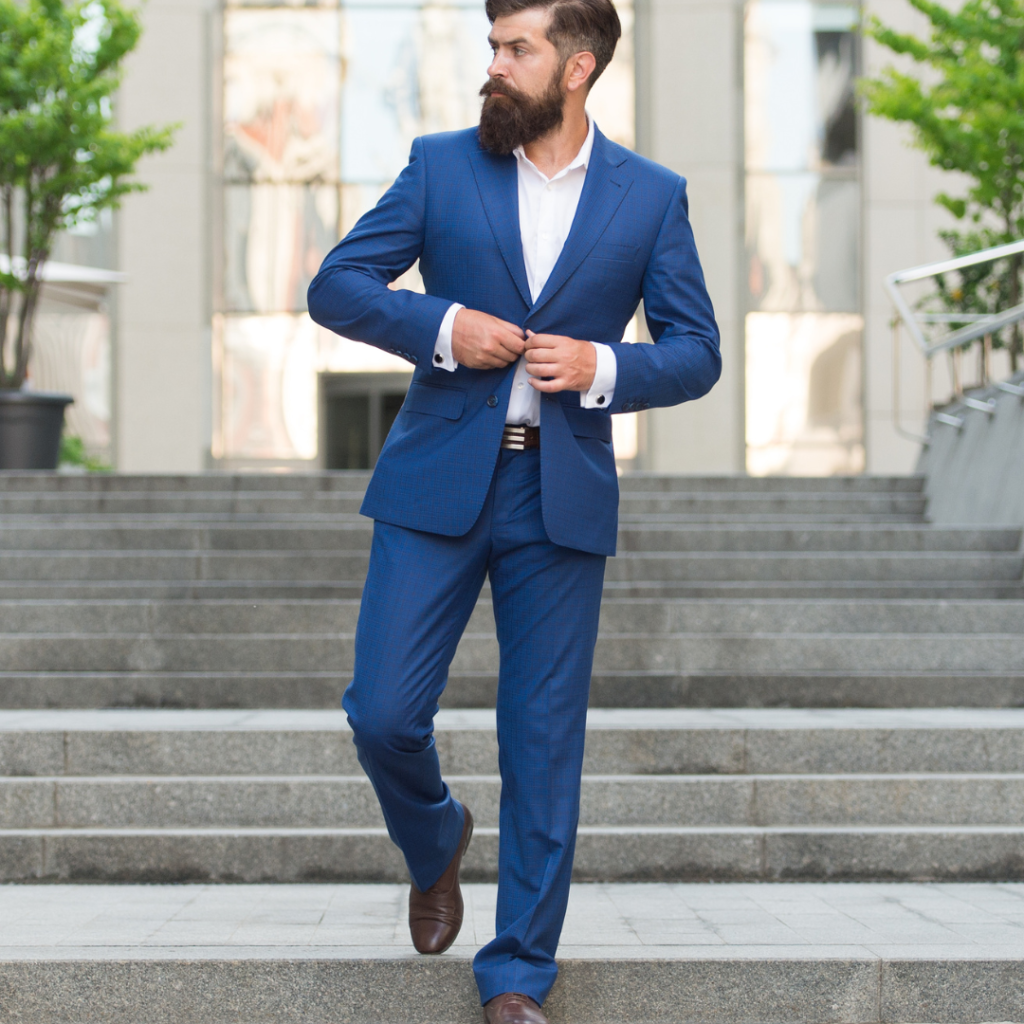
Many successful people follow structured morning outfit routines that reduce stress and improve productivity. Busy schedules often require efficient systems that simplify fashion decisions and eliminate unnecessary distractions. Some professionals prepare outfits the night before, organize clothing by categories, or create weekly outfit plans to streamline daily routines.
Time-saving fashion habits help reduce mental exhaustion and allow individuals to begin the day feeling prepared and confident. Organized wardrobes and consistent outfit systems create smoother mornings and better time management throughout the week.
These routines positively strengthen productivity and emotional balance. However, overly structured systems may sometimes feel repetitive or reduce spontaneity for individuals who enjoy experimenting with different fashion styles regularly.
Confidence and Fashion Psychology
One major reason successful people care about fashion is because clothing strongly affects emotional confidence and mindset. Psychological studies continue showing that people often feel more motivated, focused, and emotionally prepared when wearing outfits that align with their goals and identity.
Successful individuals frequently choose clothing that makes them feel empowered and mentally strong during business meetings, presentations, and public appearances. Tailored suits, elegant dresses, luxury accessories, and polished footwear can positively influence posture, communication, and emotional energy.
Fashion psychology supports confidence and self-respect in professional environments. However, excessive dependence on appearance for validation may sometimes create emotional insecurity if individuals begin linking self-worth entirely to external presentation.
Smart Casual Fashion Dominating Professional Culture
Modern professional fashion is becoming more flexible in 2026. Successful people are increasingly embracing smart casual fashion that combines comfort with polished style. Structured blazers paired with relaxed trousers, premium sneakers with tailored outfits, and minimalist knitwear are replacing extremely formal corporate dress codes in many industries.
Smart casual fashion reflects modern leadership values focused on authenticity, creativity, and emotional approachability. Professionals now seek clothing that feels practical during long workdays while still maintaining elegant appearances suitable for networking and business communication.
This fashion evolution positively supports comfort and work-life balance. Nevertheless, unclear smart casual standards may sometimes create confusion regarding appropriate professional presentation in formal business environments.
Social Media Influencing Success Fashion Trends
Social media platforms are significantly shaping the fashion habits of successful people. Entrepreneurs, influencers, executives, and creators regularly share lifestyle content featuring organized wardrobes, luxury fashion, productivity routines, and professional styling inspiration.
Digital platforms have transformed fashion into a major part of personal branding and career visibility. Consumers are increasingly influenced by successful individuals who present visually polished lifestyles online. This exposure motivates many people to improve wardrobe organization and professional presentation.
Social media positively expands access to fashion inspiration and educational content. However, constant exposure to highly curated lifestyles may also create comparison anxiety and unrealistic expectations about success and appearance.
Grooming and Attention to Detail
Successful people often pay close attention to grooming and fashion details. Clean shoes, well-fitted clothing, organized accessories, neat hairstyles, and polished presentation contribute significantly to professional image and confidence.
Attention to detail demonstrates discipline, self-respect, and awareness of social environments. Successful individuals understand that subtle fashion elements often influence first impressions and long-term credibility. Even simple outfits appear more sophisticated when properly fitted and maintained.
This habit positively strengthens professionalism and communication. However, excessive perfectionism regarding appearance may create unnecessary emotional pressure and reduce authenticity in personal expression.
Sustainable Fashion Becoming Part of Success Culture
Sustainability is increasingly influencing the fashion habits of successful people in 2026. Many professionals and entrepreneurs are choosing ethical fashion brands, eco-friendly fabrics, and timeless clothing pieces that support environmental responsibility. Sustainable fashion is becoming associated with intelligence, awareness, and long-term thinking.
Consumers admire successful individuals who promote mindful shopping habits and responsible fashion choices. Minimalist wardrobes, recycled materials, and durable essentials are becoming more common among modern professionals seeking balanced lifestyles.
Sustainable fashion positively supports environmental protection and conscious consumer behavior. However, eco-friendly fashion products sometimes remain more expensive than fast-fashion alternatives, limiting accessibility for broader audiences.
Emotional Discipline Reflected Through Fashion
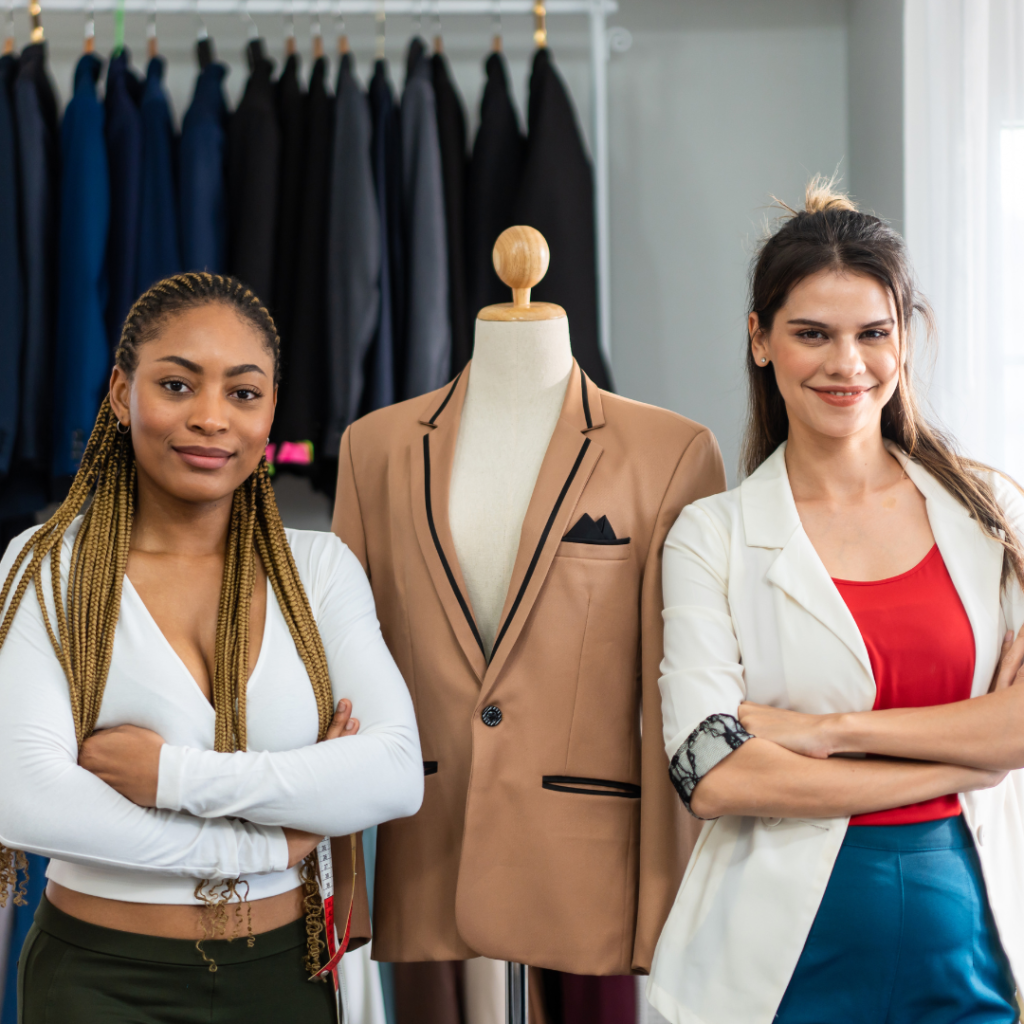
Fashion habits often reflect emotional discipline and structured thinking among successful people. Organized wardrobes, intentional clothing choices, and consistent presentation demonstrate self-control and clarity in daily life. Many professionals view fashion as part of their overall productivity and mindset routines.
Well-planned fashion habits help reduce unnecessary stress and improve emotional focus. Successful people frequently avoid impulsive shopping and instead build wardrobes around long-term goals and lifestyle needs.
These disciplined fashion routines positively support emotional stability and financial awareness. At the same time, excessive control over appearance may sometimes reduce spontaneity and emotional freedom within personal style choices.
Comfort and Wellness Influencing Fashion Choices
Modern successful individuals are increasingly prioritizing wellness-focused fashion. Comfortable fabrics, breathable clothing, ergonomic footwear, and relaxed tailoring are becoming essential elements of productive wardrobes. Consumers now understand that physical comfort directly affects emotional performance and daily energy levels.
Wellness-focused fashion allows professionals to maintain confidence and concentration throughout demanding schedules. This trend reflects a broader shift toward balanced lifestyles and healthier working environments.
Comfort-driven fashion positively supports emotional well-being and productivity. Nevertheless, excessive dependence on ultra-casual clothing may occasionally weaken polished professional presentation in certain formal industries.
The Future of Fashion Habits Among Successful People
The future of fashion habits among successful people appears increasingly connected to simplicity, sustainability, technology, and emotional well-being. Artificial intelligence, smart wardrobe apps, digital styling assistants, and personalized fashion platforms will continue influencing how professionals organize and manage their clothing choices.
Consumers are likely to continue prioritizing quality, versatility, and personal branding while reducing unnecessary fashion clutter. Successful lifestyle fashion will focus more on intentional living, confidence-building clothing, and emotionally balanced presentation rather than excessive luxury consumption.
Fashion habits of successful people in 2026 represent much more than stylish outfits alone. They reflect discipline, self-awareness, emotional intelligence, and productivity-focused lifestyles. While concerns related to social pressure, perfectionism, and image obsession remain important discussions, intentional fashion habits continue helping individuals create confidence, organization, and stronger professional identities within modern society.
More Blogs you may read
Desk-to-Dinner Outfit Ideas: Stylish Looks That Transition Effortlessly From Office to Evening 2026
Desk-to-Dinner Outfit Ideas Modern lifestyles often require clothing that adapts...
Read More
Caring for Luxury Clothing: The Complete Guide to Preserve Premium Fashion for Years 2026
Caring for Luxury Clothing Luxury clothing is more than a...
Read MoreAI Fabric Matching Tools: How Artificial Intelligence Is Transforming Fabric Selection and Fashion Design 2026
AI Fabric Matching Tools The fashion industry has always relied...
Read More