

Why Fashion Nostalgia Continues to Influence Modern Trends
Fashion is often associated with innovation, creativity, and the pursuit of what comes next. Designers constantly introduce fresh concepts, brands compete to launch groundbreaking collections, and consumers eagerly anticipate emerging styles. Yet despite this relentless focus on the future, one of the strongest forces shaping modern fashion trends comes from the past. Fashion nostalgia continues to influence the fashion industry in powerful ways, inspiring designers, attracting consumers, and redefining how style evolves across generations.
The continued popularity of fashion nostalgia may appear surprising at first. After all, modern fashion trends are expected to reflect current lifestyles and contemporary values. However, clothing has always carried emotional meaning. People do not simply wear garments; they wear memories, cultural influences, personal stories, and symbolic connections to different periods of life. Fashion nostalgia taps into these emotions, creating a powerful bridge between past experiences and present-day style choices.
Across social media platforms, fashion runways, retail collections, and streetwear culture, vintage fashion and retro fashion continue to make remarkable comebacks. Styles once considered outdated frequently return with renewed relevance. From oversized denim jackets and classic sneakers to vintage-inspired prints and retro silhouettes, fashion nostalgia remains a major driving force behind modern fashion trends. Understanding why this phenomenon persists reveals fascinating insights into consumer behavior, fashion psychology, and the evolving relationship between history and style.
Understanding the Emotional Power of Fashion Nostalgia
Fashion nostalgia is rooted in emotion. Human beings naturally form emotional attachments to memories, experiences, and cultural moments. Clothing often serves as a visual reminder of these connections, making fashion a uniquely powerful trigger for nostalgic feelings.
When consumers encounter styles associated with previous decades, they frequently experience a sense of familiarity and comfort. These emotional responses can create positive associations that influence purchasing decisions. A vintage-inspired jacket may remind someone of childhood memories, family photographs, or cultural icons that shaped their identity.
Fashion nostalgia becomes especially influential during periods of uncertainty. When social, economic, or technological changes create feelings of instability, people often seek comfort in familiar symbols. Retro fashion and vintage fashion provide a sense of continuity by reconnecting individuals with recognizable styles and cultural references.
The emotional appeal of fashion nostalgia explains why certain trends repeatedly return. Consumers are not merely purchasing clothing; they are embracing stories, memories, and experiences connected to those styles. This emotional connection gives nostalgic fashion enduring appeal within modern fashion trends.
Why Modern Fashion Trends Frequently Revisit the Past
Fashion history demonstrates that trends rarely disappear permanently. Instead, styles tend to evolve through cycles of revival and reinvention. Modern fashion trends often draw inspiration from previous decades because historical styles provide a rich source of creativity.
Designers frequently revisit vintage fashion to reinterpret classic ideas for contemporary audiences. Rather than copying the past directly, they combine nostalgic elements with modern fabrics, technologies, and aesthetics. This approach creates collections that feel both familiar and innovative.
Fashion nostalgia also benefits from generational change. Styles that seem outdated to one generation often appear fresh and exciting to the next. Young consumers who did not personally experience certain eras may view retro fashion as unique and distinctive.
This cyclical nature of fashion helps explain why trends continue returning. What once seemed old eventually becomes new again, fueled by changing perspectives and renewed cultural interest. Fashion nostalgia provides a foundation upon which modern fashion trends can continuously evolve.
The Role of Social Media in Reviving Fashion Nostalgia
Social media has transformed the way fashion nostalgia spreads and influences consumer behavior. Platforms filled with visual content make it easier than ever for vintage fashion and retro fashion to reach global audiences.
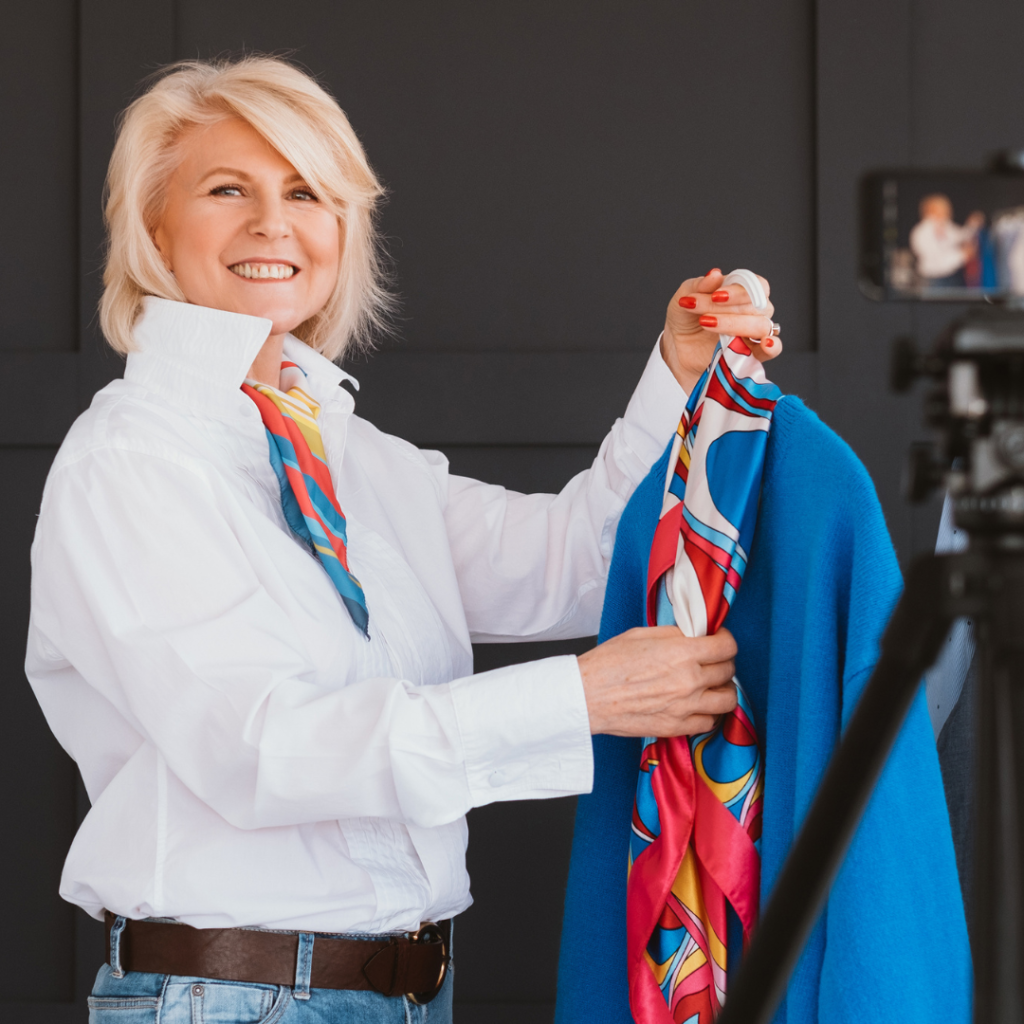
Influencers, celebrities, and fashion enthusiasts frequently showcase nostalgic styles inspired by previous decades. Their content introduces historical fashion trends to younger audiences while encouraging established consumers to reconnect with familiar looks.
Social media also accelerates trend cycles. Vintage-inspired outfits can gain widespread popularity within days, creating renewed demand for nostalgic fashion. This visibility strengthens the influence of fashion nostalgia on modern fashion trends.
Additionally, digital platforms provide access to fashion archives, historical photographs, and cultural references that were once difficult to discover. Consumers can explore different eras and draw inspiration from a wide range of styles. This accessibility contributes significantly to the growing popularity of nostalgic fashion.
The relationship between social media and fashion nostalgia highlights how technology can amplify interest in the past while shaping contemporary style preferences.
How Fashion Nostalgia Influences Consumer Psychology
Consumer behavior is strongly influenced by emotion, identity, and personal values. Fashion nostalgia aligns with each of these factors, making it a powerful force within the fashion industry.
Nostalgic fashion often creates feelings of authenticity. In an era characterized by rapid change and constant innovation, consumers may find comfort in styles that appear timeless and familiar. Vintage fashion provides a sense of connection to cultural heritage and historical craftsmanship.
Fashion nostalgia also supports identity formation. Clothing allows individuals to communicate aspects of their personality, interests, and values. Retro fashion enables people to align themselves with specific cultural movements or historical aesthetics.
Furthermore, nostalgic fashion frequently evokes feelings of optimism and warmth. Positive associations connected to past experiences can enhance the appeal of certain styles and increase consumer engagement.
By influencing emotions and identity, fashion nostalgia plays a significant role in shaping purchasing decisions and fashion preferences.
Vintage Fashion and the Rise of Sustainable Style
Another reason fashion nostalgia continues influencing modern fashion trends is its connection to sustainability. Growing awareness of environmental issues has encouraged consumers to reconsider their relationship with clothing.
Vintage fashion offers an appealing alternative to fast fashion by extending the lifespan of garments and reducing waste. Consumers increasingly appreciate the uniqueness and durability associated with older pieces.
Thrift stores, resale platforms, and second-hand marketplaces have experienced significant growth as interest in sustainable fashion increases. Fashion nostalgia contributes to this trend by encouraging consumers to value clothing from previous eras.
Retro fashion also supports sustainability through inspiration. Many modern collections incorporate vintage elements while emphasizing quality and longevity. This approach aligns with growing consumer demand for responsible fashion choices.
The connection between fashion nostalgia and sustainable fashion demonstrates how historical influences can support contemporary priorities and values.
Why Certain Decades Continue to Inspire Modern Fashion
Not all historical periods influence modern fashion trends equally. Certain decades continue generating extraordinary interest because of their cultural significance and distinctive aesthetics.
The 1970s are often associated with creative expression and bold individuality. The 1980s evoke memories of vibrant colors, oversized silhouettes, and energetic style. The 1990s remain influential due to their minimalist aesthetic and streetwear culture. Early 2000s fashion has also experienced a remarkable resurgence among younger consumers.
Fashion nostalgia allows these decades to remain culturally relevant. Designers frequently reinterpret iconic elements from these periods while adapting them to contemporary preferences.
Each revival introduces nostalgic fashion to new audiences while encouraging older generations to reconnect with familiar styles. This intergenerational appeal strengthens the longevity of fashion nostalgia within the industry.
The enduring influence of specific decades demonstrates how cultural memory continues shaping modern fashion trends.
The Balance Between Innovation and Nostalgia
While fashion nostalgia remains powerful, the fashion industry must balance historical inspiration with innovation. Consumers seek both familiarity and novelty, creating an interesting challenge for designers and brands.
Successful collections often combine nostalgic references with contemporary creativity. Vintage fashion elements may be reimagined through modern tailoring, advanced materials, or updated color palettes. This fusion creates designs that honor the past without appearing outdated.
Innovation prevents fashion nostalgia from becoming repetitive. By introducing new interpretations of classic styles, designers maintain consumer interest while preserving emotional connections.
Modern fashion trends thrive when they successfully merge heritage and progress. Fashion nostalgia provides inspiration, while innovation ensures continued relevance.
This balance explains why nostalgic influences remain a consistent feature of contemporary fashion rather than a temporary phenomenon.
How Fashion Nostalgia Reflects Cultural Identity
Fashion has always served as a reflection of society, and fashion nostalgia often reveals collective cultural values. Nostalgic trends frequently emerge during periods when people seek connection, meaning, and identity.
Retro fashion allows individuals to celebrate cultural history while expressing personal style. Certain garments symbolize specific eras, movements, or social changes, making them powerful tools for storytelling.
Fashion nostalgia also encourages appreciation for craftsmanship, design traditions, and historical influences. These connections help preserve cultural heritage within an increasingly globalized fashion landscape.
As societies continue evolving, nostalgic fashion provides a way to maintain continuity between generations. This cultural significance contributes to its lasting influence on modern fashion trends.
The Future of Fashion Nostalgia
Fashion nostalgia shows no signs of disappearing. As new generations emerge and cultural influences continue evolving, historical styles will likely remain an important source of inspiration.
Technology may further enhance the impact of fashion nostalgia through digital archives, virtual fashion experiences, and personalized style recommendations. These innovations can introduce consumers to historical fashion in entirely new ways.
At the same time, sustainability, individuality, and emotional connection will continue driving interest in vintage fashion and retro fashion. Consumers increasingly value authenticity, making nostalgic styles particularly appealing.
The future of fashion nostalgia will likely involve a dynamic blend of historical appreciation and contemporary innovation. This combination ensures that the past remains an active participant in shaping future fashion trends.
Conclusion
Fashion nostalgia continues to influence modern fashion trends because it connects emotion, identity, culture, and creativity. Vintage fashion and retro fashion offer more than aesthetic appeal; they provide meaningful links to memories, experiences, and historical influences that resonate deeply with consumers.
Through social media, sustainable fashion movements, consumer psychology, and cultural storytelling, fashion nostalgia has become one of the most enduring forces within the fashion industry. Its ability to balance familiarity with innovation ensures its continued relevance across generations.
As fashion evolves, the influence of the past will remain remarkably powerful. Modern fashion trends may change constantly, but the emotional and cultural appeal of fashion nostalgia ensures that yesterday’s styles will continue inspiring tomorrow’s wardrobes. The relationship between history and fashion demonstrates that great style is never truly forgotten—it simply returns in new and exciting forms.