
Why Fashion Waste Is Becoming a Global Concern
Fashion has always been an important part of human culture. It allows people to express their personalities, showcase creativity, and adapt to changing trends. Over the years, the fashion industry has evolved into one of the largest global industries, generating billions of dollars and influencing consumer behavior across every corner of the world. However, behind the excitement of new collections, seasonal trends, and affordable clothing lies a growing challenge that can no longer be ignored. Understanding why fashion waste is becoming a global concern has become essential as the environmental, economic, and social consequences of excessive clothing consumption continue to expand.
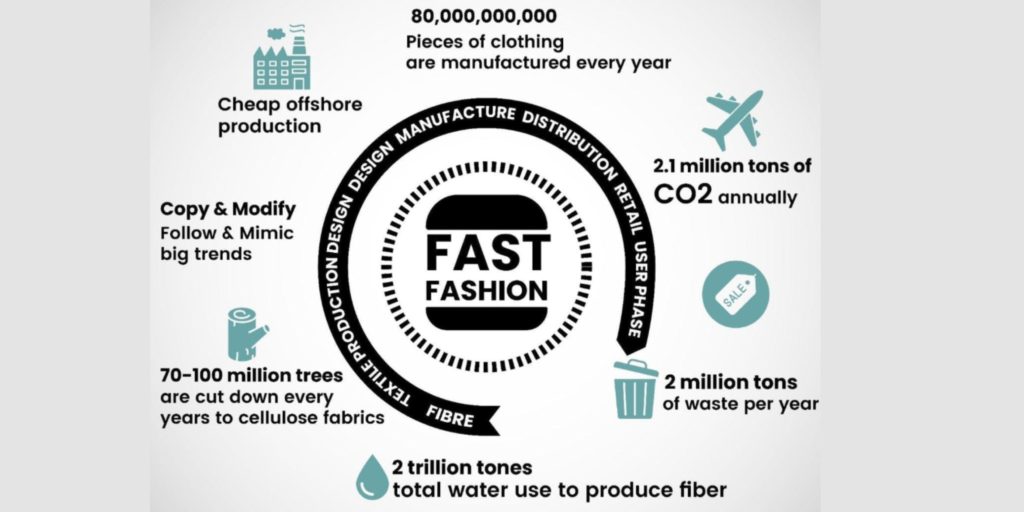
The rise of fast fashion has dramatically changed how consumers buy and dispose of clothing. Garments are produced faster than ever, trends change within weeks rather than seasons, and many items are discarded long before reaching the end of their usable life. As a result, enormous amounts of textile waste are entering landfills, polluting ecosystems, and placing pressure on natural resources. What was once considered a simple consumer habit has evolved into a complex global issue affecting communities, industries, and the environment.
Why fashion waste is becoming a global concern is not simply a discussion about clothing. It is a conversation about sustainability, resource management, consumer responsibility, and the future of the fashion industry itself. As awareness grows, individuals and businesses are increasingly recognizing the urgent need for change.
The Rapid Growth of Fast Fashion
One of the primary reasons why fashion waste is becoming a global concern is the rise of fast fashion. Fast fashion refers to the rapid production of affordable clothing designed to replicate current trends and encourage frequent purchases.
In the past, fashion collections followed relatively predictable seasonal schedules. Today, many brands release new products continuously, creating a constant stream of fresh styles. Consumers are encouraged to purchase more clothing at lower prices, often replacing garments long before they wear out.
This accelerated cycle has increased clothing consumption significantly. While consumers enjoy greater access to fashion, the downside is a dramatic increase in discarded garments.
Why fashion waste is becoming a global concern can largely be traced to this culture of rapid consumption, where clothing is often treated as disposable rather than valuable.
Textile Waste Is Growing at an Alarming Rate
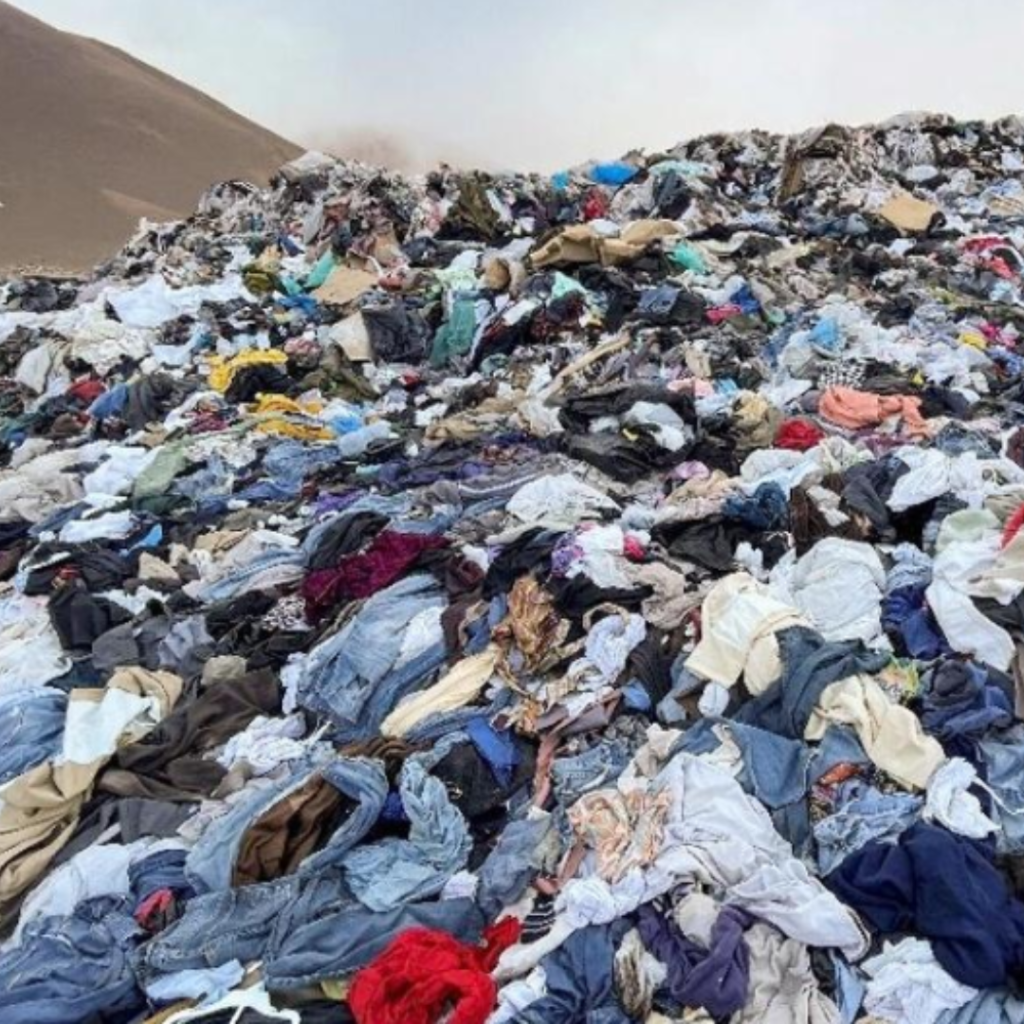
Every year, millions of tons of textile waste are generated worldwide. A significant portion of discarded clothing ends up in landfills, where it can remain for decades before breaking down.
Many fabrics contain synthetic materials that do not decompose easily. Instead, they contribute to long-term environmental challenges. Even natural fibers can create problems when mixed with chemical treatments, dyes, and manufacturing additives.
The growing volume of discarded clothing highlights why fashion waste is becoming a global concern. Landfills are reaching capacity in many regions, and textile waste represents a substantial portion of the problem.
As clothing production continues increasing, waste management systems face mounting pressure to handle the growing volume of unwanted garments.
Overconsumption Is Changing Consumer Behavior
Modern consumers have unprecedented access to clothing. Online shopping platforms, social media marketing, influencer promotions, and frequent discounts make purchasing fashion easier than ever before.
While convenience offers advantages, it has also encouraged overconsumption. Many people buy clothing they rarely wear, often motivated by temporary excitement or fear of missing out on trends.
Why fashion waste is becoming a global concern is closely connected to these changing shopping habits. Clothing that remains unworn eventually becomes waste, contributing to environmental and economic inefficiencies.
The challenge is not simply how much clothing is produced but how much is consumed without meaningful long-term use.
Environmental Resources Are Under Pressure
Fashion production requires significant natural resources. Water, energy, land, and raw materials are all essential components of clothing manufacturing.
When garments are discarded prematurely, the resources used to create them are effectively wasted. Every unworn shirt, abandoned jacket, or forgotten pair of jeans represents water consumption, energy expenditure, and material extraction that provided limited value.
Why fashion waste is becoming a global concern includes the strain placed on environmental resources. As global populations grow and demand for clothing increases, efficient resource management becomes increasingly important.
Reducing waste helps maximize the value derived from the resources already invested in production.
The Hidden Impact of Synthetic Fabrics
Synthetic materials such as polyester, nylon, and acrylic have become common in modern fashion because they are affordable, durable, and versatile. However, these materials present unique environmental challenges.
Unlike natural fibers, many synthetic fabrics are derived from petroleum-based resources and require long periods to decompose. During washing and disposal, they can release microscopic particles that enter waterways and ecosystems.
The widespread use of synthetic materials contributes significantly to why fashion waste is becoming a global concern. Managing these materials responsibly has become an important priority for sustainability advocates and industry leaders.
As awareness grows, consumers are increasingly interested in understanding the long-term effects of their clothing choices.
Fashion Waste Affects More Than the Environment
Although environmental concerns receive significant attention, fashion waste also has economic and social dimensions. Unsold inventory, excess production, and discarded clothing represent financial inefficiencies throughout the supply chain.
Businesses invest substantial resources in manufacturing products that may never be sold or fully utilized. Consumers also lose money when they purchase items that remain unworn.
Why fashion waste is becoming a global concern extends beyond environmental damage. It reflects broader issues related to consumption patterns, production practices, and resource allocation.
Addressing waste can create benefits that extend across multiple areas of society.
Social Media Accelerates Fashion Turnover
Social media has transformed how trends emerge and spread. Fashion inspiration is now available instantly, and consumers are exposed to a continuous stream of new styles.
While this accessibility encourages creativity and self-expression, it can also create pressure to constantly update wardrobes. Outfit repetition is sometimes perceived negatively, encouraging frequent purchases.
Why fashion waste is becoming a global concern is partly linked to the speed at which trends circulate through digital platforms. Consumers often replace clothing more frequently than necessary in pursuit of novelty.
This rapid trend cycle contributes to growing volumes of discarded garments.
The Challenge of Recycling Textiles
Recycling has become an important sustainability strategy, but textile recycling presents unique challenges. Clothing is often made from blended materials that are difficult to separate and process efficiently.
Additionally, garments may contain zippers, buttons, embellishments, and chemical treatments that complicate recycling efforts.
Why fashion waste is becoming a global concern includes the difficulty of managing discarded textiles through existing recycling systems. While progress is being made, recycling infrastructure remains limited in many regions.
Improving textile recycling capabilities will be an essential part of future sustainability efforts.
Sustainable Fashion Is Gaining Momentum
Growing awareness of environmental issues has encouraged many consumers to explore sustainable fashion alternatives. Brands are responding by investing in eco-friendly materials, ethical manufacturing practices, and circular business models.
Consumers are increasingly interested in quality, durability, and versatility rather than constant replacement. Concepts such as capsule wardrobes, clothing rental services, resale platforms, and garment repair are becoming more popular.
Why fashion waste is becoming a global concern has inspired innovation throughout the industry. Companies are recognizing that sustainability can create both environmental and competitive advantages.
These developments suggest a positive direction for the future of fashion.
The Role of Consumer Responsibility
Consumers play a powerful role in shaping industry behavior. Purchasing decisions influence production patterns, brand strategies, and market demand.
Choosing quality over quantity, supporting responsible brands, caring for garments properly, and extending clothing lifespans can all help reduce waste.
Why fashion waste is becoming a global concern highlights the importance of individual actions. While systemic changes are necessary, consumer choices remain an important part of the solution.
Small behavioral shifts can create meaningful collective impact when adopted on a large scale.
Circular Fashion Could Transform the Industry
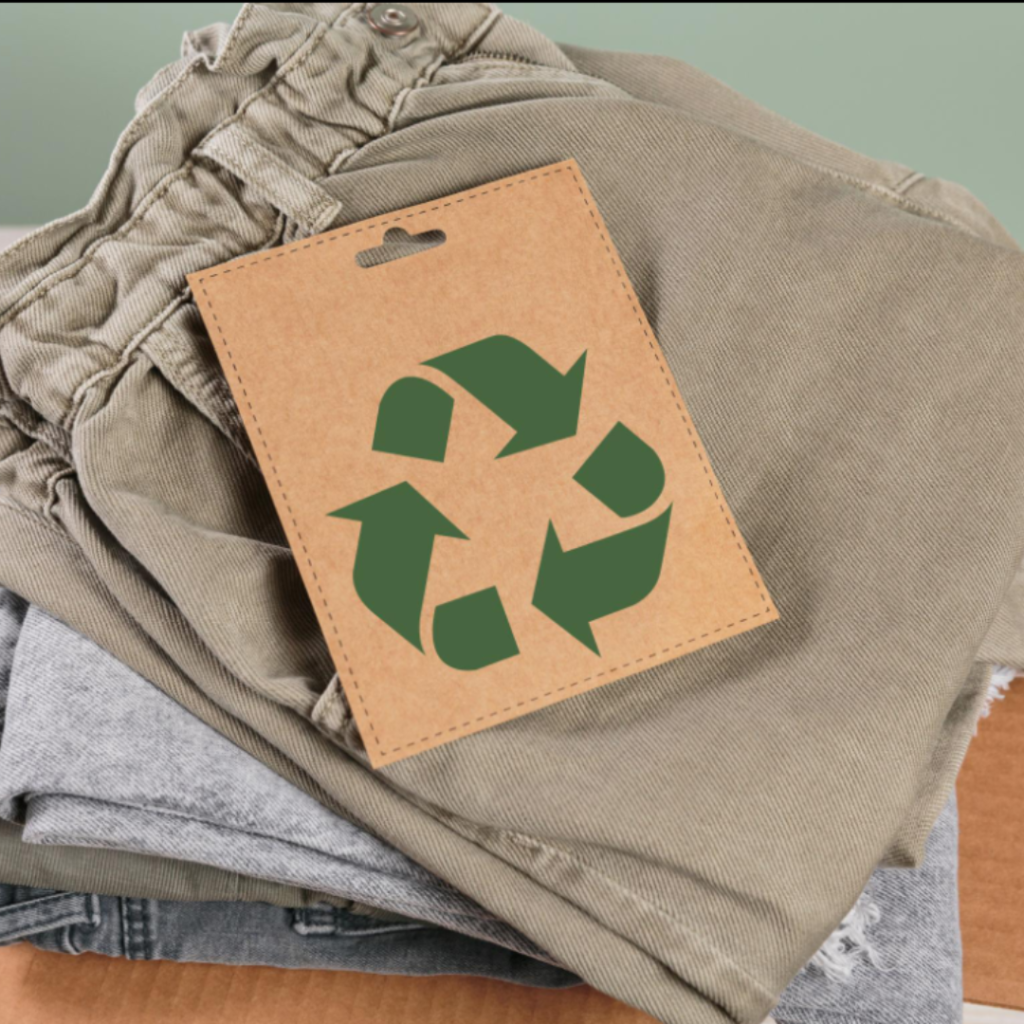
One promising response to the waste problem is the concept of circular fashion. Unlike traditional linear models based on production, consumption, and disposal, circular fashion emphasizes reuse, repair, recycling, and regeneration.
The goal is to keep materials in use for as long as possible while minimizing waste generation. Clothing is designed with longevity and recyclability in mind.
Why fashion waste is becoming a global concern has accelerated interest in circular business models that prioritize sustainability and resource efficiency.
If widely adopted, these approaches could significantly reduce the industry’s environmental footprint.
Education and Awareness Are Driving Change
One of the most encouraging developments is the growing awareness surrounding fashion waste. Consumers are becoming more informed about how clothing is produced, used, and discarded.
Educational campaigns, sustainability initiatives, documentaries, and social media discussions are helping people understand the consequences of excessive consumption.
Why fashion waste is becoming a global concern is increasingly understood by younger generations who prioritize environmental responsibility and ethical consumption.
This awareness is creating momentum for meaningful industry transformation.
The Future of Fashion Depends on Sustainable Solutions
The fashion industry faces a critical moment. Continued growth without meaningful change could intensify environmental challenges and resource pressures. At the same time, innovation and consumer awareness are creating opportunities for positive transformation.
Future success will depend on balancing creativity, profitability, and sustainability. Brands that embrace responsible practices may be better positioned to meet evolving consumer expectations.
Why fashion waste is becoming a global concern serves as a reminder that long-term industry success requires more than producing fashionable products. It requires managing resources responsibly and reducing unnecessary waste.
The future of fashion will likely be shaped by those who successfully integrate sustainability into every stage of the product lifecycle.
Conclusion
Why fashion waste is becoming a global concern is a question that touches every aspect of the modern fashion industry. From fast fashion and overconsumption to textile waste and resource depletion, the consequences of excessive clothing disposal have become impossible to ignore.
The growing awareness surrounding fashion waste is encouraging consumers, businesses, and policymakers to rethink traditional approaches to production and consumption. Sustainable fashion, circular business models, improved recycling systems, and responsible purchasing habits all offer promising pathways forward.
Ultimately, why fashion waste is becoming a global concern comes down to a simple reality: clothing should be valued, used responsibly, and designed with long-term impact in mind. By embracing more thoughtful fashion habits, society can reduce waste, conserve resources, and help create a healthier future for both the industry and the planet.