
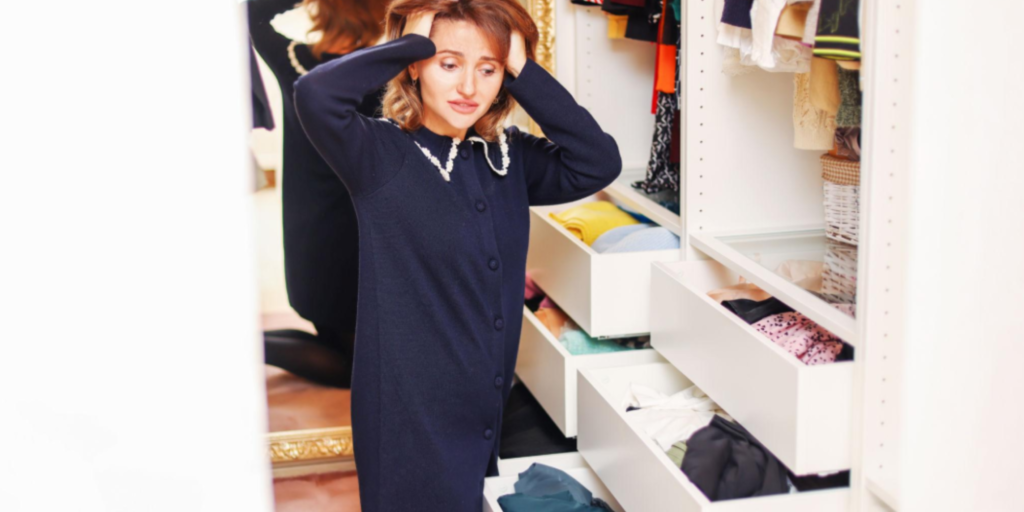
When Style Becomes Social Pressure
Introduction
Fashion has always been more than fabric, colors, and clothing. Throughout history, personal style has served as a form of self-expression, cultural identity, creativity, and individuality. What people wear often communicates aspects of personality, values, preferences, and even social belonging. At its best, fashion allows individuals to express themselves confidently and authentically.
However, the relationship between fashion and society has changed significantly in recent years. The rise of social media, influencer culture, fast fashion, and constant digital visibility has transformed how people think about style. What was once a personal choice is increasingly becoming a public performance. Many individuals now feel pressure to dress a certain way, follow fashion trends, and maintain a carefully curated appearance.
This shift has created an important conversation about fashion social pressure. While style remains a powerful tool for self-expression, it can also become a source of anxiety, comparison, and financial strain when external expectations begin to dominate personal choices.
Understanding when style becomes social pressure is essential because fashion should enhance confidence rather than create unnecessary stress. The challenge lies in balancing creativity and individuality with the growing influence of modern fashion culture.
The Evolution of Fashion and Social Expectations
Fashion has always reflected social values and cultural trends. Different eras have introduced unique styles influenced by art, politics, technology, and social movements. Throughout history, clothing has often signaled status, profession, community membership, and personal identity.
Today, fashion trends move faster than ever before. Global communication allows styles to spread across countries within hours. New collections appear constantly, and consumers are exposed to an endless stream of fashion inspiration through digital platforms.
While increased access to fashion has expanded creative possibilities, it has also intensified style expectations. Many people feel pressure to remain current with trends, update wardrobes frequently, and maintain appearances that align with changing social standards.
As a result, fashion is no longer simply about personal preference. For many individuals, it has become closely connected to social perception and external validation.
How Social Media Fashion Changed Everything
Perhaps no force has influenced modern fashion culture more than social media. Platforms filled with influencers, celebrities, fashion creators, and lifestyle content have transformed how people view clothing and style.
Every day, users encounter carefully selected images showcasing outfits, accessories, luxury brands, and fashion trends. These images often present idealized versions of style that appear effortless and constantly updated.
While social media fashion can inspire creativity, it can also encourage comparison. Individuals begin measuring their appearance against highly polished content that may not reflect everyday reality.
This comparison creates subtle but powerful pressure. People may feel compelled to purchase new clothing, follow trends, or change their appearance simply to meet perceived expectations.
The result is often a growing gap between personal style and socially influenced fashion choices.
Why Personal Style Gets Lost
One of the most significant consequences of fashion social pressure is the gradual loss of personal style. Authentic style develops through self-awareness, experimentation, and confidence. It reflects individual preferences rather than external demands.
However, constant exposure to trends and online influences can make it difficult to distinguish personal taste from social expectations. Many consumers begin choosing clothing based on popularity rather than genuine preference.
Instead of asking what feels comfortable or meaningful, they focus on what is currently fashionable or socially accepted.
Over time, personal style becomes less about individuality and more about fitting into broader fashion narratives. This shift can reduce confidence because self-expression is replaced by constant adaptation to changing trends.
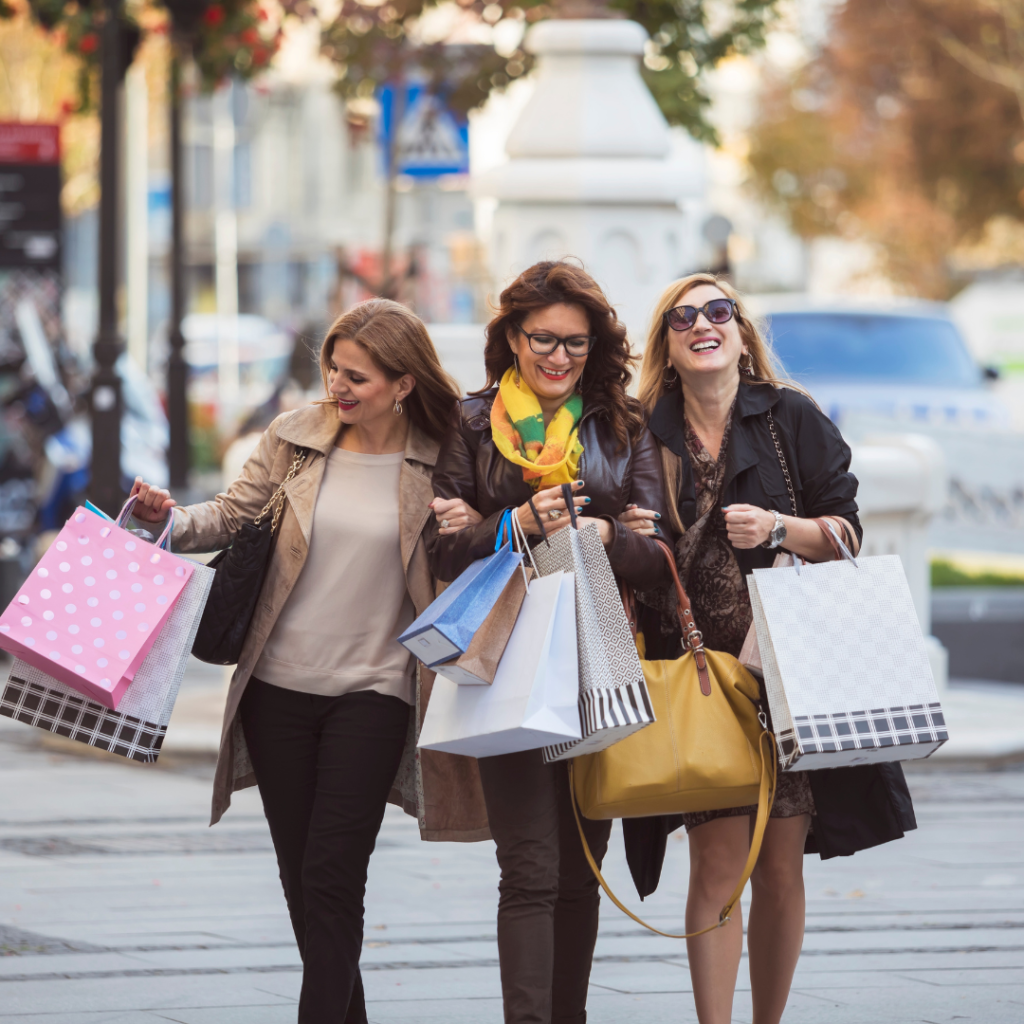
The Psychology Behind Appearance Pressure
Fashion psychology helps explain why style can become such a powerful source of pressure. Human beings naturally seek acceptance and belonging. Clothing often plays a role in how individuals present themselves within social environments.
People want to feel confident, respected, and included. As a result, they frequently pay attention to social signals related to appearance and style.
When fashion becomes linked to social acceptance, individuals may begin worrying about how others perceive their clothing choices. Concerns about being judged, criticized, or excluded can influence purchasing decisions and wardrobe habits.
Appearance pressure often develops gradually. It may begin with small concerns about fitting in but eventually influence broader aspects of self-image and confidence.
The Financial Cost of Fashion Expectations
Fashion social pressure does not only affect emotions; it can also influence financial behavior. Many consumers spend considerable amounts on clothing because they feel obligated to maintain a certain image.
Fast fashion retailers frequently capitalize on this desire by offering affordable access to rapidly changing trends. Consumers purchase new items regularly to keep pace with evolving styles.
While individual purchases may seem insignificant, frequent shopping often accumulates into substantial expenses over time. Many wardrobes become filled with clothing that is rarely worn because purchases were motivated by social influence rather than genuine need.
This cycle contributes to financial strain while creating clutter and dissatisfaction.
Fashion should support personal expression, not become a source of ongoing financial pressure.
Why Trend Culture Creates Constant Dissatisfaction
Fashion trends play an important role in industry innovation and creativity. They introduce new ideas, encourage experimentation, and keep fashion evolving.
However, trend culture can also create dissatisfaction because trends are designed to change. What appears fashionable today may be considered outdated tomorrow.
Consumers who rely heavily on trends often find themselves caught in a cycle of continuous updating. Satisfaction becomes temporary because new styles constantly replace previous favorites.
This pattern encourages ongoing consumption while making it difficult to appreciate existing wardrobes. Individuals may begin feeling that their clothing is never quite current enough.
True style confidence becomes difficult to achieve when satisfaction depends entirely on external trends.
The Impact on Self-Confidence
Confidence and fashion share a complex relationship. Clothing can positively influence self-esteem by helping individuals feel comfortable, expressive, and prepared for different situations.
However, confidence becomes fragile when it depends solely on appearance. People may feel secure only when wearing specific brands, following certain trends, or receiving external validation.
This dependence creates vulnerability because confidence fluctuates according to factors that constantly change.
Developing style confidence requires a stronger foundation. It involves appreciating personal preferences, understanding individual needs, and recognizing that self-worth extends beyond clothing choices.
Fashion should support confidence, not control it.
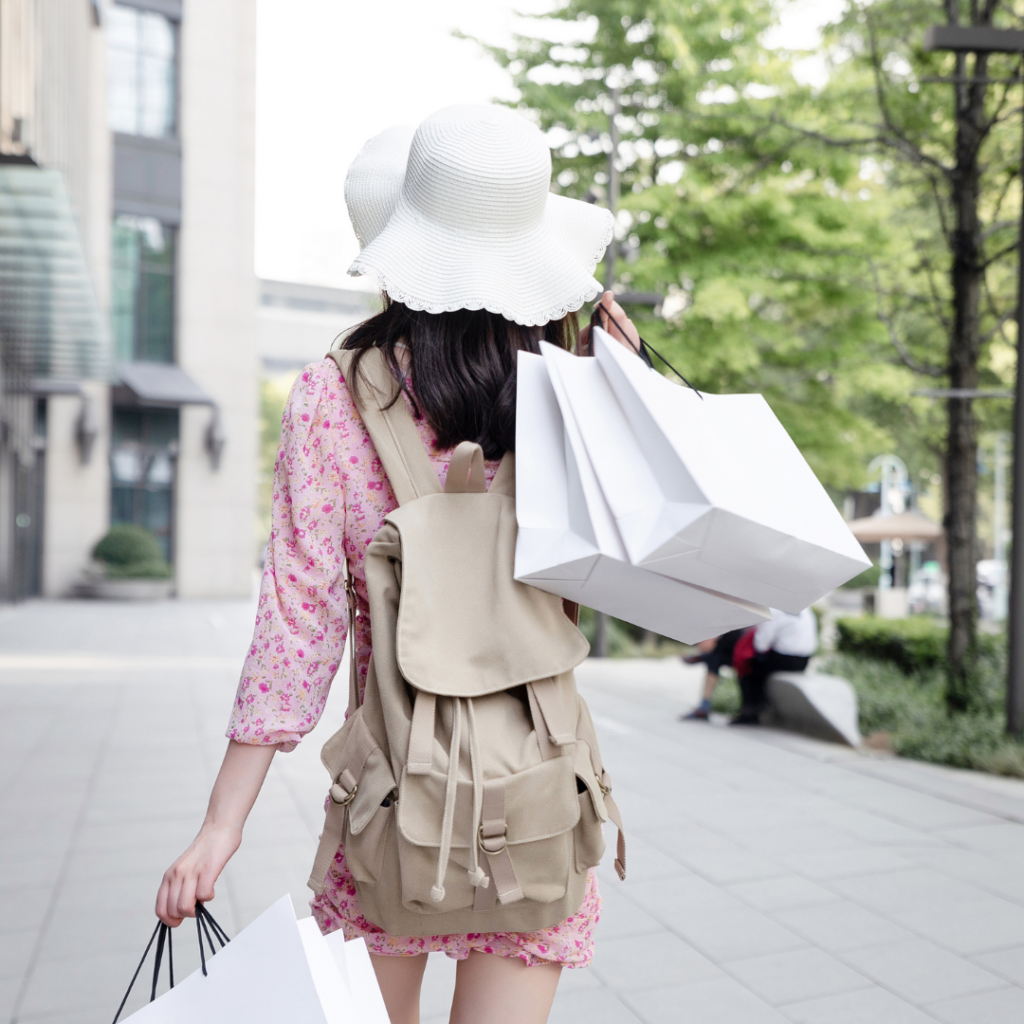
Sustainable Fashion Challenges Social Pressure
The rise of sustainable fashion has introduced an alternative perspective on style. Rather than encouraging constant consumption, sustainable fashion emphasizes quality, durability, and intentional purchasing decisions.
Many advocates encourage consumers to build versatile wardrobes filled with clothing that remains relevant over time. This approach reduces dependence on rapidly changing trends while promoting more responsible consumption.
Sustainable fashion also challenges the assumption that new clothing is always necessary. Repeating outfits, investing in timeless pieces, and maintaining existing garments are increasingly viewed as practical and responsible choices.
This shift helps reduce fashion social pressure by encouraging consumers to focus on value rather than constant novelty.
The Role of Fashion Industry Marketing
The fashion industry plays a significant role in shaping consumer perceptions. Marketing campaigns frequently promote the idea that style requires continual updates and new purchases.
While innovation remains important, marketing messages sometimes create unrealistic expectations regarding appearance and lifestyle. Consumers may begin believing that happiness, confidence, or social acceptance depends on acquiring specific products.
Understanding these influences helps individuals make more intentional decisions. Awareness reduces the likelihood of purchasing clothing solely because of external pressure.
Consumers who recognize marketing strategies often develop healthier relationships with fashion and shopping.
Rediscovering Fashion as Self-Expression
One of the most effective ways to reduce fashion-related pressure is to reconnect with the original purpose of personal style: self-expression.
Fashion becomes more meaningful when it reflects individual personality rather than external expectations. Clothing choices should align with lifestyle, comfort, values, and preferences.
Authentic style does not require constant change or expensive purchases. It develops through understanding what feels genuine and meaningful.
When individuals prioritize self-expression over comparison, fashion becomes a source of creativity rather than stress.
Building a Healthier Relationship with Style
Creating a healthier relationship with fashion requires intentional choices. Consumers benefit from evaluating why they purchase clothing and whether those decisions align with personal needs.
Confidence grows when style choices reflect individuality rather than social pressure. Appreciating existing wardrobes, limiting unnecessary comparisons, and embracing personal preferences all contribute to a more balanced approach.
Fashion can remain enjoyable without becoming overwhelming. The goal is not to reject trends entirely but to engage with them thoughtfully and selectively.
Healthy style habits support both self-expression and well-being.
The Future of Fashion and Social Influence
Fashion will continue evolving alongside technology, culture, and consumer behavior. Social media will likely remain influential, but growing awareness of sustainability, authenticity, and mental well-being may reshape future trends.
Consumers are increasingly seeking fashion experiences that prioritize individuality rather than conformity. Personal style, sustainable fashion, and mindful consumption are gaining momentum across many markets.
These developments suggest that the future of fashion may become less focused on external validation and more centered on authentic self-expression.
Such a shift would benefit both consumers and the broader fashion industry.
Conclusion
Style becomes social pressure when clothing choices are driven more by external expectations than personal preferences. Social media fashion, trend culture, appearance pressure, and consumer marketing have all contributed to a world where fashion is often connected to comparison and validation.
While fashion remains a powerful form of self-expression, it can create emotional and financial challenges when individuals feel obligated to meet constantly changing standards. Personal style becomes difficult to maintain when external influences dominate decision-making.
The solution is not abandoning fashion but approaching it more intentionally. By prioritizing authenticity, confidence, sustainability, and self-expression, individuals can develop healthier relationships with style.
Ultimately, the most meaningful fashion choices are not those that attract the most attention. They are the ones that reflect genuine identity, support confidence, and allow people to express themselves without feeling constrained by social pressure.