
Could Fashion Lose Its Cultural Identity?
Introduction
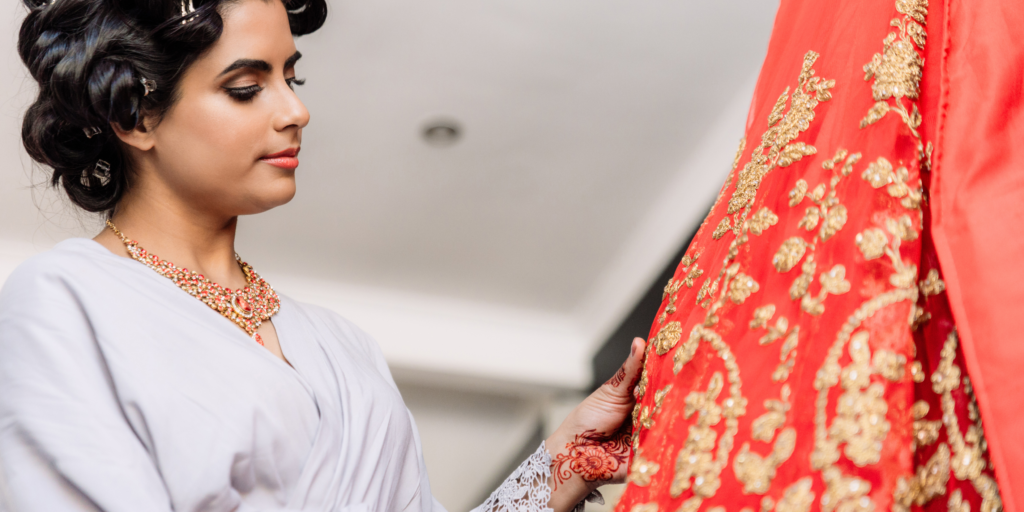
Fashion has never been only about clothing. Throughout history, what people wear has reflected their traditions, beliefs, values, communities, and identities. Long before fashion became a global industry worth billions of dollars, clothing served as a visual representation of culture. Traditional garments, handcrafted textiles, regional patterns, and symbolic designs told stories about where people came from and how they lived.
Today, however, the fashion industry exists in a world that is more connected than ever before. Global fashion trends travel across continents within minutes. Social media platforms introduce consumers to styles from every corner of the world, while international brands influence shopping habits on an unprecedented scale. This interconnected environment has created exciting opportunities for creativity and cultural exchange, but it has also raised an important question: Could fashion lose its cultural identity?
As modern fashion becomes increasingly globalized, some observers worry that traditional clothing and cultural fashion may gradually become overshadowed by standardized global trends. Others believe globalization encourages greater appreciation for diverse fashion traditions and helps preserve cultural heritage through wider exposure.
The answer is not entirely simple. Fashion is constantly evolving, and cultural identity continues adapting alongside social, economic, and technological changes. Understanding how these forces interact provides valuable insight into the future of fashion culture and the preservation of traditional style.
The Historical Connection Between Fashion and Culture
For centuries, clothing served purposes far beyond appearance. Across different societies, garments reflected social status, religious beliefs, occupations, family traditions, and geographic influences. Traditional fashion developed organically within communities and became an important part of cultural identity.
Distinctive fabrics, embroidery techniques, colors, and silhouettes often carried symbolic meaning. Traditional clothing represented local craftsmanship and generations of inherited knowledge. Whether through ceremonial attire, everyday garments, or festive costumes, fashion functioned as a living expression of cultural heritage.
These traditions created strong connections between communities and their clothing. Fashion was not simply something people consumed; it was something deeply connected to identity and belonging.
Even today, many traditional garments continue serving as important cultural symbols, reflecting the enduring relationship between fashion and culture.
How Global Fashion Is Changing Consumer Behavior
Global fashion has transformed the way people discover, purchase, and wear clothing. Consumers now have access to styles, brands, and fashion influences from virtually every region of the world.
This accessibility has expanded creative possibilities. Individuals can experiment with diverse aesthetics and combine influences from multiple cultures. Fashion diversity has become more visible than ever before.
However, increased access has also encouraged the widespread adoption of similar trends. International retailers often distribute standardized collections across multiple markets, resulting in comparable fashion choices appearing in different countries.
As global fashion trends become more dominant, concerns emerge regarding whether regional identities may gradually become less visible within everyday clothing choices.
The growing influence of global fashion has created both opportunities and challenges for cultural fashion traditions.
The Rise of Fast Fashion and Cultural Homogenization
Fast fashion has accelerated the spread of global fashion trends. New styles move from design concepts to retail shelves with remarkable speed, making trend-driven clothing available to consumers worldwide.
While this accessibility has democratized fashion, it has also contributed to cultural homogenization. Many consumers purchase clothing based on international trends rather than local traditions or cultural influences.
As a result, city streets in different countries sometimes appear increasingly similar despite unique cultural backgrounds. Global fashion brands often prioritize mass appeal, which can reduce the visibility of region-specific styles.
This does not necessarily mean cultural identity disappears entirely. However, it does raise concerns about whether traditional fashion may become less prominent in everyday life as global fashion continues expanding.
The balance between innovation and cultural preservation remains one of the most important conversations within the fashion industry today.
Social Media’s Influence on Fashion Culture
Social media has become one of the most powerful forces shaping modern fashion. Platforms allow users to discover styles from around the world instantly, creating unprecedented exposure to global fashion trends.
This visibility offers many benefits. Designers can reach international audiences, cultural garments can gain appreciation beyond their regions of origin, and consumers can learn about diverse fashion traditions.
At the same time, social media often rewards trends that generate widespread engagement. Viral fashion movements frequently prioritize novelty and visual appeal, which can overshadow deeper cultural significance.
When fashion content focuses primarily on aesthetics, traditional garments may be admired without fully understanding their historical or cultural context.
This creates both opportunities for cultural appreciation and challenges related to preserving authentic meaning.
Why Traditional Clothing Still Matters
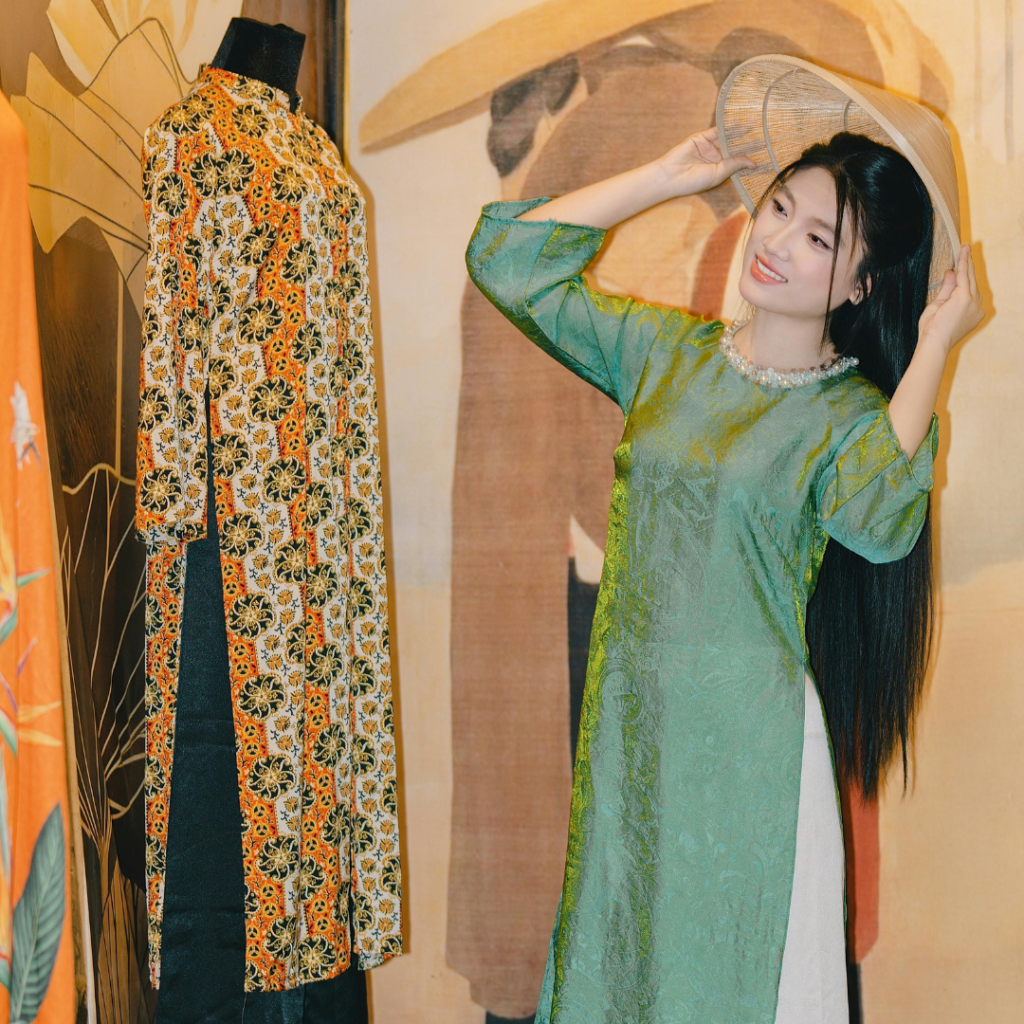
Despite the influence of modern fashion, traditional clothing continues to hold significant cultural value. These garments represent history, craftsmanship, and collective identity that cannot easily be replaced by temporary fashion trends.
Traditional dress often connects individuals to family heritage, community traditions, and important cultural celebrations. It serves as a reminder of shared experiences and historical continuity.
Many people continue wearing traditional clothing during weddings, festivals, religious ceremonies, and national celebrations. These occasions help preserve cultural fashion and reinforce its relevance across generations.
The enduring popularity of traditional garments demonstrates that cultural identity remains an important aspect of fashion, even in an increasingly globalized world.
Fashion Diversity as a Strength
One encouraging development within modern fashion is the growing recognition of diversity. Consumers increasingly value authenticity, individuality, and cultural representation.
Fashion diversity enriches the industry by introducing unique perspectives, techniques, and design philosophies. Different cultures contribute distinctive aesthetics that expand creative possibilities and inspire innovation.
Many designers actively incorporate cultural influences into contemporary collections while respecting traditional craftsmanship. This approach allows heritage fashion to remain relevant while adapting to modern preferences.
Rather than eliminating cultural identity, fashion diversity can strengthen it by creating opportunities for cultural stories to reach broader audiences.
The Risk of Cultural Disconnect
Although globalization offers many benefits, it also creates the possibility of cultural disconnect. Younger generations may become more familiar with international fashion trends than with their own traditional clothing heritage.
When cultural fashion traditions are not actively preserved, valuable knowledge can gradually fade. Artisanal techniques, textile production methods, and symbolic design elements may become less common over time.
This challenge extends beyond clothing itself. Fashion often reflects broader cultural narratives, and losing these traditions can weaken connections to history and community identity.
Preserving cultural fashion requires ongoing education, appreciation, and engagement across generations.
How Designers Are Preserving Cultural Heritage Fashion
Many designers are responding to these concerns by incorporating cultural heritage into contemporary fashion. Rather than treating traditional fashion as something confined to the past, they are reimagining it for modern audiences.
This approach allows traditional techniques, fabrics, and design elements to remain visible within contemporary fashion collections. By blending heritage with innovation, designers help ensure cultural identity remains relevant in changing markets.
Consumers increasingly appreciate authenticity and storytelling, making heritage fashion an attractive alternative to mass-produced trends. This growing interest creates opportunities for artisans and cultural communities to share their traditions with wider audiences.
The preservation of cultural fashion depends not only on protecting the past but also on finding meaningful ways to connect it with the future.
Consumer Choices Influence Fashion’s Future
Fashion trends are ultimately shaped by consumer behavior. The choices people make when purchasing clothing influence which styles succeed and which traditions remain visible.
Consumers who support local artisans, cultural brands, and traditional craftsmanship contribute directly to preserving cultural identity within fashion. Their purchasing decisions help sustain skills and techniques that might otherwise disappear.
At the same time, embracing global fashion does not require abandoning cultural heritage. Many individuals successfully combine contemporary styles with traditional influences, creating wardrobes that reflect both modern lifestyles and cultural roots.
Fashion identity can evolve without losing its connection to heritage.
The Role of Education in Protecting Fashion Culture
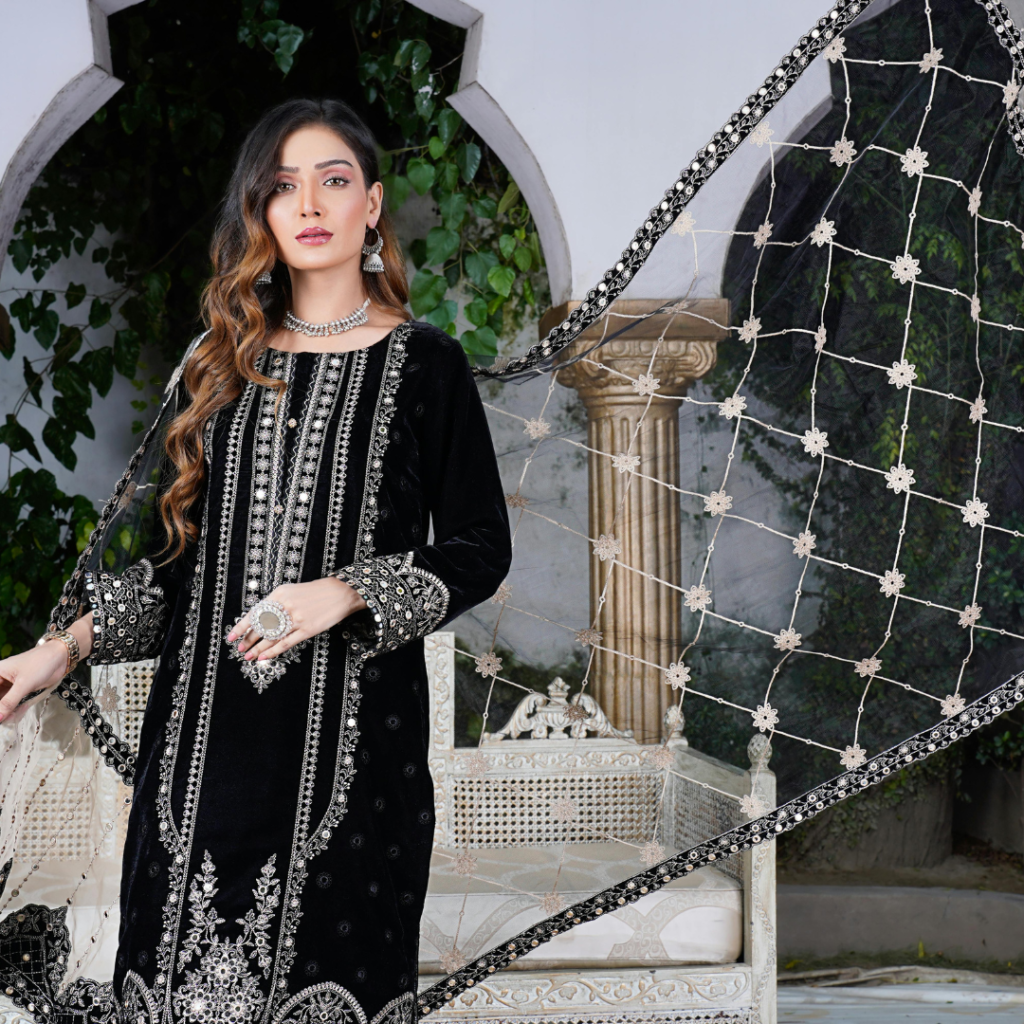
Education plays an essential role in preserving cultural fashion. Understanding the history, symbolism, and significance of traditional clothing helps ensure these traditions remain appreciated rather than forgotten.
Schools, museums, cultural organizations, and fashion institutions all contribute to raising awareness about heritage fashion. By sharing knowledge across generations, communities strengthen their ability to preserve cultural identity.
Education also encourages respectful cultural exchange. Consumers who understand the origins of garments and design elements are better equipped to appreciate their significance.
Informed appreciation helps prevent cultural traditions from becoming disconnected from their original meanings.
The Future of Fashion Cultural Identity
The future of fashion cultural identity will likely depend on balance. Global fashion will continue influencing consumer behavior, introducing new ideas, and encouraging creative exchange. At the same time, cultural heritage remains an important source of inspiration and identity.
Rather than viewing globalization and tradition as opposing forces, many industry leaders see opportunities for collaboration. Modern fashion can celebrate innovation while honoring cultural roots.
Technology may further support preservation efforts by helping artisans reach international audiences and documenting traditional techniques for future generations.
Fashion’s future does not necessarily require choosing between progress and heritage. Instead, it may involve finding ways to allow both to coexist.
Conclusion
The question of whether fashion could lose its cultural identity reflects broader concerns about globalization, consumer behavior, and cultural preservation. While global fashion trends continue shaping modern style, traditional clothing and cultural fashion remain powerful expressions of heritage and belonging.
Challenges certainly exist. Fast fashion, social media influence, and standardized global trends can reduce the visibility of regional identities. However, growing appreciation for fashion diversity, heritage fashion, and cultural storytelling offers reasons for optimism.
Cultural identity is not static. It evolves alongside society while maintaining connections to history and tradition. The future of fashion will likely be shaped by those who recognize the value of both innovation and heritage.
Ultimately, fashion is strongest when it reflects the richness of human culture. By supporting cultural diversity, preserving traditional craftsmanship, and embracing authentic expression, society can ensure that fashion continues serving as a meaningful reflection of identity rather than losing the cultural roots that have defined it for generations.