
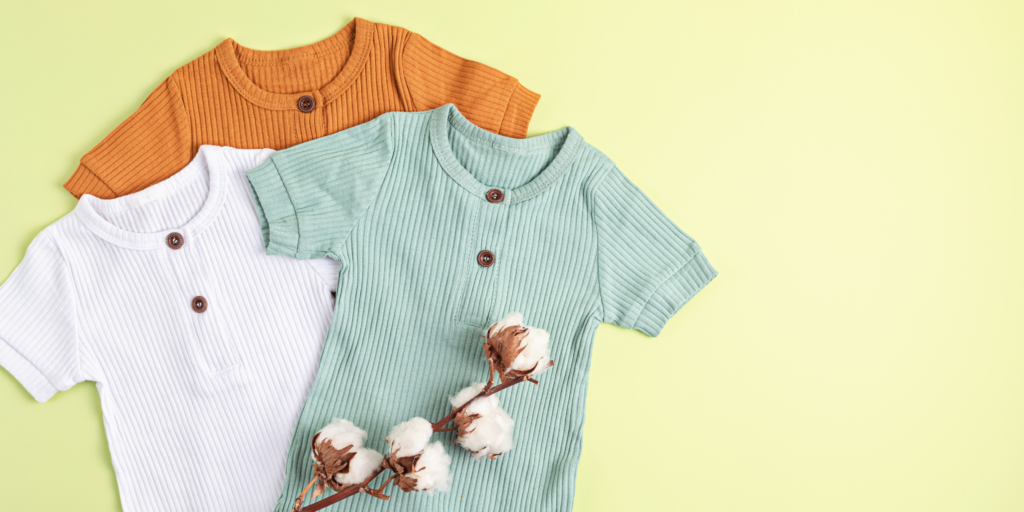
Why Organic Baby Fashion Is Becoming a Parenting Essential
Parenting choices have evolved significantly over the last decade. Modern families are becoming increasingly aware of what they feed their children, the products they use in their homes, and even the clothing their babies wear every day. Among the many lifestyle changes gaining momentum, organic baby fashion has emerged as one of the most influential trends. What was once considered a niche market has now become a mainstream preference for parents who value comfort, quality, sustainability, and long-term well-being.
The growing popularity of organic baby clothing is not simply driven by fashion trends. Instead, it reflects a broader movement toward healthier living and responsible consumer habits. Parents are becoming more cautious about hidden chemicals, synthetic materials, and manufacturing processes that may impact their children and the environment. As a result, organic baby fashion is increasingly viewed as a necessity rather than a luxury.
Understanding the Rise of Organic Baby Fashion
The demand for organic baby clothes has increased rapidly as consumers become more informed about the products they purchase. Unlike conventional clothing, which may involve chemical treatments, pesticides, and synthetic dyes during production, organic baby garments are typically made from natural fibers grown under environmentally responsible conditions.
This shift is being fueled by parents who want transparency and reliability when selecting baby essentials. They are researching labels, comparing materials, and seeking products that align with their family values. As awareness continues to grow, organic baby fashion is no longer confined to specialty stores. It is now widely available through major retailers and online marketplaces, making it more accessible than ever before.
The increasing visibility of organic cotton baby clothes has also contributed to the movement. Parents appreciate knowing that the clothing touching their baby’s skin comes from cleaner and more natural sources, reducing concerns associated with harsh production methods.
Why Babies Benefit from Organic Clothing
Babies have delicate and highly sensitive skin that requires special care. During the first months and years of life, their skin barrier is still developing, making them more vulnerable to irritation and discomfort. This is one reason why many parents are choosing organic baby clothing over conventional alternatives.
Organic fabrics are often softer and gentler, providing a soothing experience for infants. Parents frequently notice fewer concerns related to rough textures or uncomfortable materials. The breathable nature of organic cotton baby wear helps regulate temperature more effectively, allowing babies to remain comfortable throughout changing seasons.
Another significant factor is peace of mind. Many families prefer products that avoid unnecessary exposure to potentially harmful substances. While conventional garments may contain residues from various production processes, natural baby clothing is generally associated with cleaner manufacturing standards. This reassurance plays a major role in purchasing decisions for health-conscious families.
The Connection Between Sustainable Parenting and Organic Baby Fashion
Today’s parents are thinking beyond immediate needs. They are considering the long-term impact of their decisions on future generations. This perspective has strengthened the connection between sustainable parenting and eco-friendly baby clothing.
Organic farming practices typically focus on environmental preservation. These methods support healthier soil conditions, responsible water usage, and reduced environmental strain compared to traditional agricultural systems. When parents purchase sustainable baby fashion, they are contributing to a larger effort aimed at protecting natural resources.
The environmental benefits extend throughout the supply chain. Many brands specializing in organic baby fashion prioritize ethical production, responsible sourcing, and reduced waste. These commitments resonate with families who want their purchasing decisions to reflect environmental responsibility.
As climate awareness continues to shape consumer behavior, organic baby clothes are becoming a meaningful way for parents to support greener lifestyles while meeting their children’s everyday needs.
Quality That Lasts Beyond a Single Season
One of the strongest arguments supporting organic baby clothing is durability. Babies grow quickly, but clothing still needs to withstand frequent washing, active movement, and daily wear. Many parents discover that organic fabrics maintain their softness and structural integrity longer than lower-quality alternatives.
High-quality organic cotton baby clothes often retain their appearance after repeated laundering, helping garments remain attractive and functional. This longevity can provide better value despite a potentially higher initial investment.
Parents who plan for future children often appreciate the ability to pass down well-maintained organic garments. Durable clothing reduces replacement frequency and supports more responsible consumption patterns. In this way, organic baby fashion aligns with both economic and environmental priorities.
Style Meets Responsibility
There was a time when organic clothing was perceived as limited in design options. Today, that perception has changed dramatically. Modern baby fashion trends demonstrate that sustainability and style can coexist beautifully.
Designers are creating collections that combine contemporary aesthetics with environmentally conscious materials. Parents can now choose from a wide variety of colors, patterns, textures, and seasonal designs without compromising their values.
The popularity of organic baby fashion has encouraged brands to innovate, offering stylish wardrobes that appeal to modern families. Whether selecting everyday outfits, special occasion wear, or seasonal essentials, parents can find attractive options that support their commitment to sustainability.
This balance between visual appeal and responsible manufacturing has made organic baby clothing increasingly desirable among fashion-conscious families.
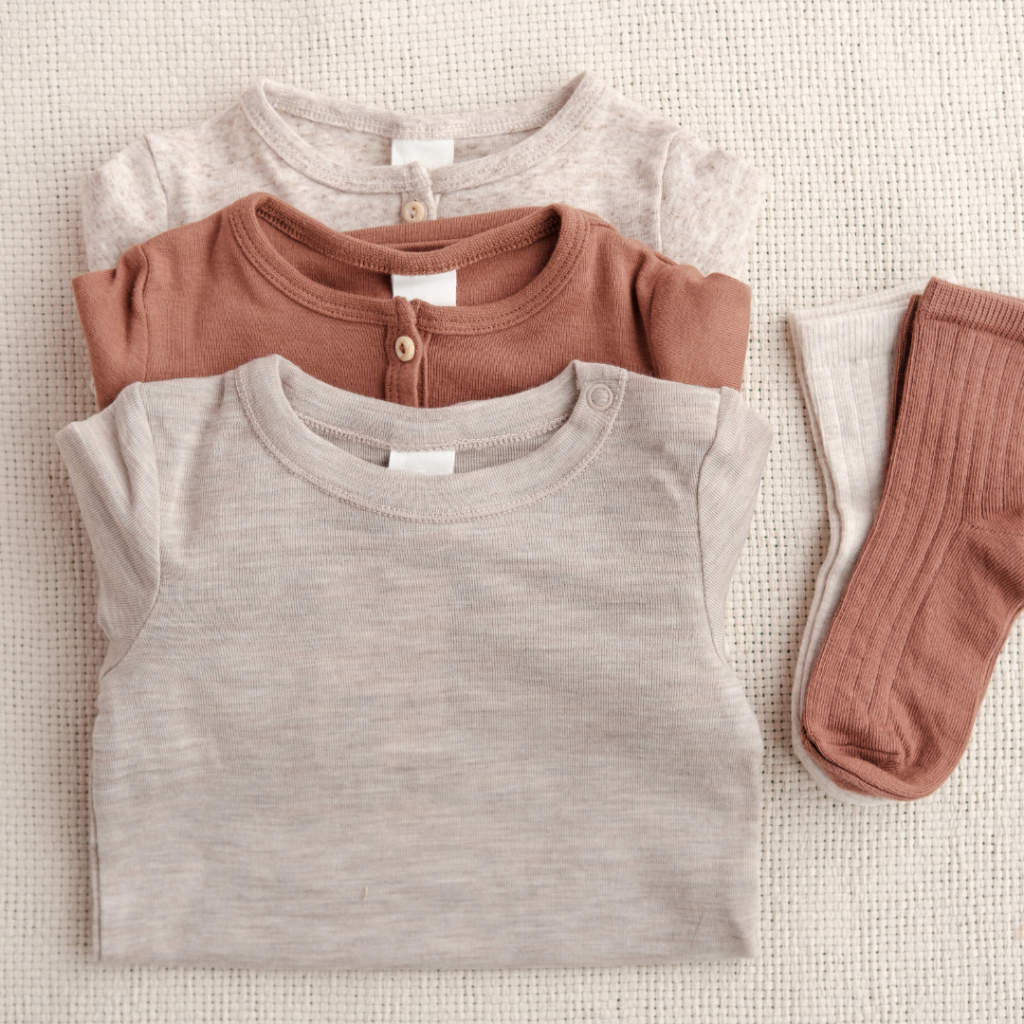
The Growing Influence of Consumer Awareness
Consumer education has played a major role in the expansion of the organic baby clothing market. Parents today have access to extensive information about manufacturing practices, material sourcing, and environmental impact. This knowledge empowers them to make informed purchasing decisions.
Social media platforms, parenting communities, and sustainability advocates have amplified conversations around ethical consumerism. As a result, more families understand the differences between conventional and organic baby clothes.
This awareness has created pressure on manufacturers to improve transparency and accountability. Brands that prioritize authenticity and responsible production often gain stronger customer trust. Consequently, the market for eco-friendly baby clothing continues to expand as informed consumers seek products that align with their values.
Economic Value Beyond the Price Tag
Some parents initially hesitate when comparing the price of organic baby clothing to conventional options. However, many eventually recognize that value extends beyond the purchase price.
Durability, comfort, and quality often contribute to greater long-term satisfaction. Additionally, the reduced likelihood of wear and tear may help families avoid frequent replacements. When evaluating overall benefits, many parents view organic baby fashion as a worthwhile investment.
Furthermore, growing competition within the industry has increased affordability. More brands are entering the market, creating greater accessibility for families across various budgets. This shift is helping transform organic baby clothes from a premium product into a practical parenting choice.
How Organic Baby Fashion Reflects Modern Parenting Values
The popularity of organic baby fashion reflects a broader transformation in parenting philosophy. Families today are increasingly focused on intentional decision-making, emphasizing quality over quantity and sustainability over convenience.
Parents are seeking products that support healthier lifestyles while minimizing unnecessary environmental impact. They are evaluating not only what benefits their children today but also what contributes to a better future tomorrow.
This mindset explains why organic baby clothing, natural baby clothing, and sustainable baby fashion continue to gain momentum. These products align with values such as responsibility, awareness, and long-term thinking, making them particularly appealing to modern households.
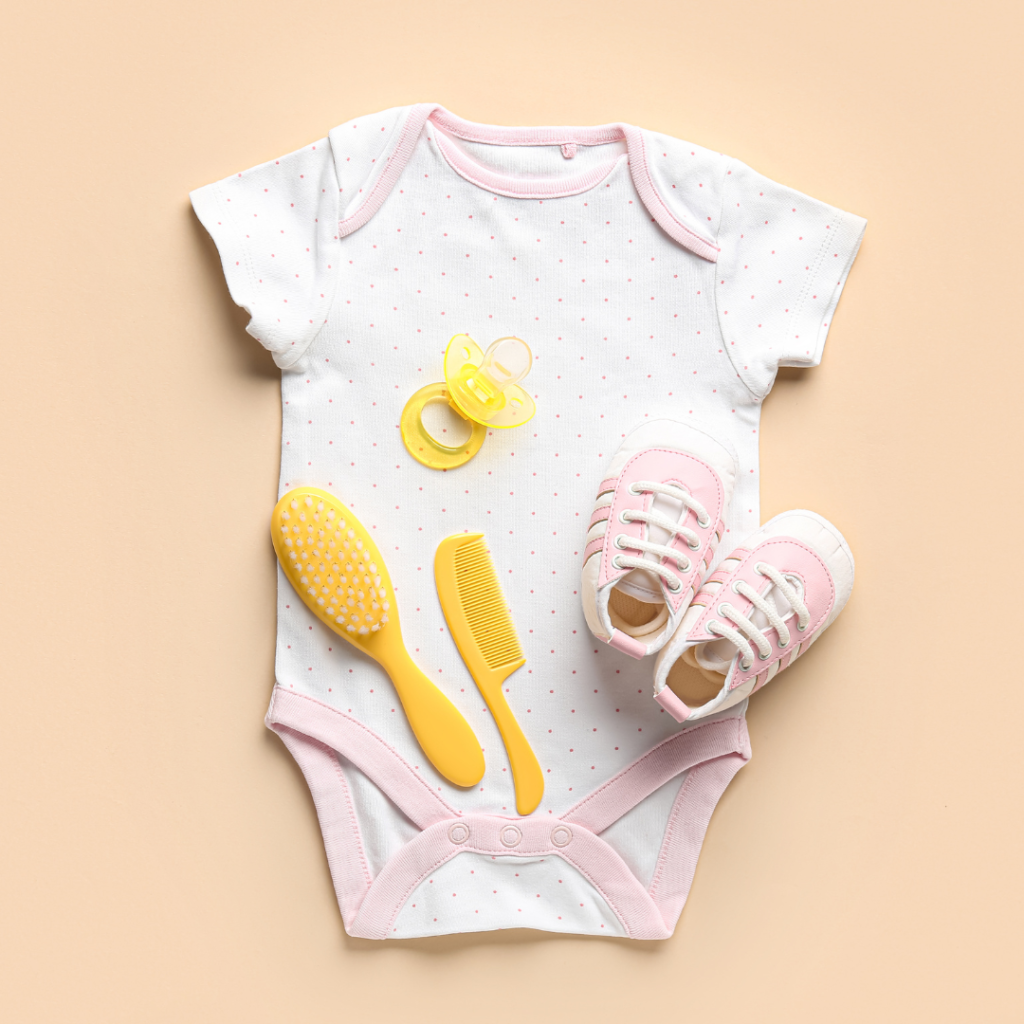
The Future of Organic Baby Fashion
The future of organic baby fashion appears exceptionally promising. Industry experts anticipate continued growth as consumer demand increases and sustainable manufacturing technologies advance. More brands are expected to introduce innovative collections featuring environmentally responsible materials and ethical production methods.
As awareness expands globally, organic cotton baby clothes will likely become even more accessible and affordable. Retailers are recognizing that sustainability is not a temporary trend but a lasting shift in consumer expectations.
The next generation of parents is expected to prioritize transparency, environmental stewardship, and product quality even more strongly. This ongoing evolution positions organic baby fashion as a permanent and influential segment within the broader baby apparel industry.
Conclusion
The rise of organic baby fashion represents much more than a passing trend. It reflects changing consumer priorities, greater environmental awareness, and a commitment to providing babies with comfortable, high-quality clothing. From supporting sensitive skin to encouraging sustainable practices, organic baby clothing offers numerous advantages that resonate with today’s parents.
As families continue seeking products that combine safety, durability, style, and environmental responsibility, the demand for organic baby clothes will likely continue growing. What once seemed like a specialized option has become a practical and meaningful parenting essential. By embracing sustainable baby fashion, parents are making thoughtful choices that benefit their children, support ethical production, and contribute to a healthier future for generations to come.
More Blogs you may read
Desk-to-Dinner Outfit Ideas: Stylish Looks That Transition Effortlessly From Office to Evening 2026
Desk-to-Dinner Outfit Ideas Modern lifestyles often require clothing that adapts...
Read More
Caring for Luxury Clothing: The Complete Guide to Preserve Premium Fashion for Years 2026
Caring for Luxury Clothing Luxury clothing is more than a...
Read MoreAI Fabric Matching Tools: How Artificial Intelligence Is Transforming Fabric Selection and Fashion Design 2026
AI Fabric Matching Tools The fashion industry has always relied...
Read More