
Why Fabric Drape Changes an Outfit
Fashion is often associated with colors, patterns, silhouettes, and accessories, but one of the most overlooked elements that determines how an outfit looks is fabric drape. Two garments may have the same design, identical measurements, and similar stitching, yet they can create completely different visual impressions simply because they are made from different fabrics. This is exactly Why Fabric Drape Changes an Outfit. The way a fabric falls, moves, folds, and responds to the body’s natural shape directly influences elegance, comfort, confidence, and overall appearance.
Whether you are wearing a flowing evening gown, a structured blazer, a casual cotton shirt, a linen dress, or tailored trousers, the drape of the fabric determines how the garment interacts with movement and body proportions. Some fabrics create graceful silhouettes with soft folds, while others maintain sharp lines and structured shapes. Choosing the wrong fabric for a particular design may make an outfit feel stiff, bulky, or less flattering, whereas selecting the appropriate drape can instantly elevate even the simplest clothing.
Understanding Why Fabric Drape Changes an Outfit is valuable not only for fashion designers but also for shoppers, stylists, and anyone interested in building a wardrobe that looks polished and feels comfortable. As fashion continues evolving toward quality, sustainability, and thoughtful design, fabric selection has become more important than ever before.
Knowing how different textiles behave allows individuals to make better purchasing decisions, appreciate garment construction, and develop a stronger personal style that balances beauty with practicality.
Understanding Fabric Drape
Fabric drape refers to the way a textile hangs, flows, folds, and conforms to the body under the influence of gravity. It determines whether clothing appears soft and fluid or structured and firm.
Some fabrics naturally create elegant movement, while others maintain crisp silhouettes with minimal flexibility. Understanding Why Fabric Drape Changes an Outfit begins by recognizing that every textile possesses unique physical characteristics influenced by fiber type, weave, thickness, weight, and finishing techniques.
Drape affects both visual appeal and functional performance.
It shapes how clothing feels during everyday movement.
Fabric behavior defines garment personality.
Why Fabric Drape Matters in Fashion
Many people focus primarily on garment color or style while overlooking the material itself. However, even beautifully designed clothing may appear less attractive if the fabric does not suit the intended silhouette.
The answer to Why Fabric Drape Changes an Outfit lies in the relationship between textile behavior and garment construction. Designers carefully select fabrics because each material creates different visual effects.
Flowing fabrics enhance graceful movement.
Structured fabrics emphasize architectural tailoring.
Balanced drape supports comfortable elegance.
Fabric selection transforms ordinary garments into memorable fashion.
How Fabric Weight Influences Drape
Fabric weight significantly affects how clothing behaves.
Lightweight materials such as chiffon, georgette, silk, and rayon naturally create fluid movement with soft folds. Heavier fabrics like denim, canvas, tweed, and wool maintain stronger shapes with greater structure.
Understanding Why Fabric Drape Changes an Outfit involves recognizing that fabric weight directly influences silhouette, comfort, and visual balance.
Lightweight textiles create softness.
Medium-weight fabrics balance flexibility and support.
Heavy materials provide stability and definition.
Every garment benefits from appropriate weight selection.
Soft Drape Creates Elegant Movement
Softly draped fabrics move naturally with the body, creating graceful silhouettes that often appear relaxed and sophisticated.
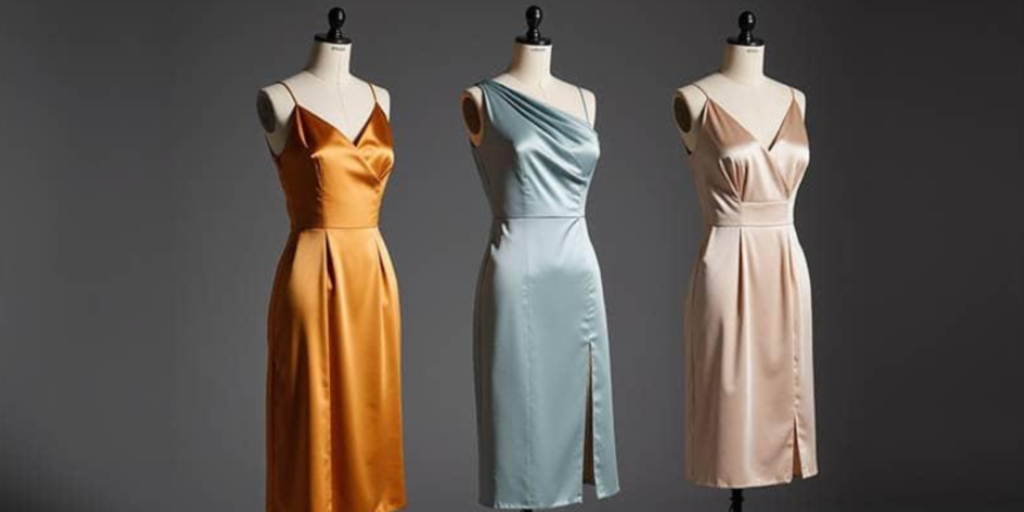
Silk dresses flowing gently while walking, rayon blouses adapting comfortably to body contours, and satin evening gowns reflecting elegant movement all demonstrate soft draping beautifully.
The appeal of Why Fabric Drape Changes an Outfit becomes especially noticeable when garments respond naturally to movement rather than appearing rigid.
Soft fabrics create visual harmony.
Gentle folds enhance elegance.
Movement strengthens fashion expression.
Fluidity encourages confidence.
Structured Drape Defines Shape
Not every garment requires flowing fabrics.
Blazers, coats, formal jackets, structured dresses, uniforms, tailored trousers, and architectural fashion frequently depend upon fabrics maintaining clear lines and defined silhouettes.
The concept behind Why Fabric Drape Changes an Outfit also includes understanding when structure improves appearance.
Cotton twill, denim, gabardine, wool suiting, and canvas maintain shape effectively while supporting professional or formal styling.
Structure communicates precision.
Tailoring benefits from supportive textiles.
Sharp silhouettes create authority.
Fiber Composition Changes Fabric Behavior
Natural and synthetic fibers behave differently because of their individual physical properties.
Cotton provides moderate drape with breathability.
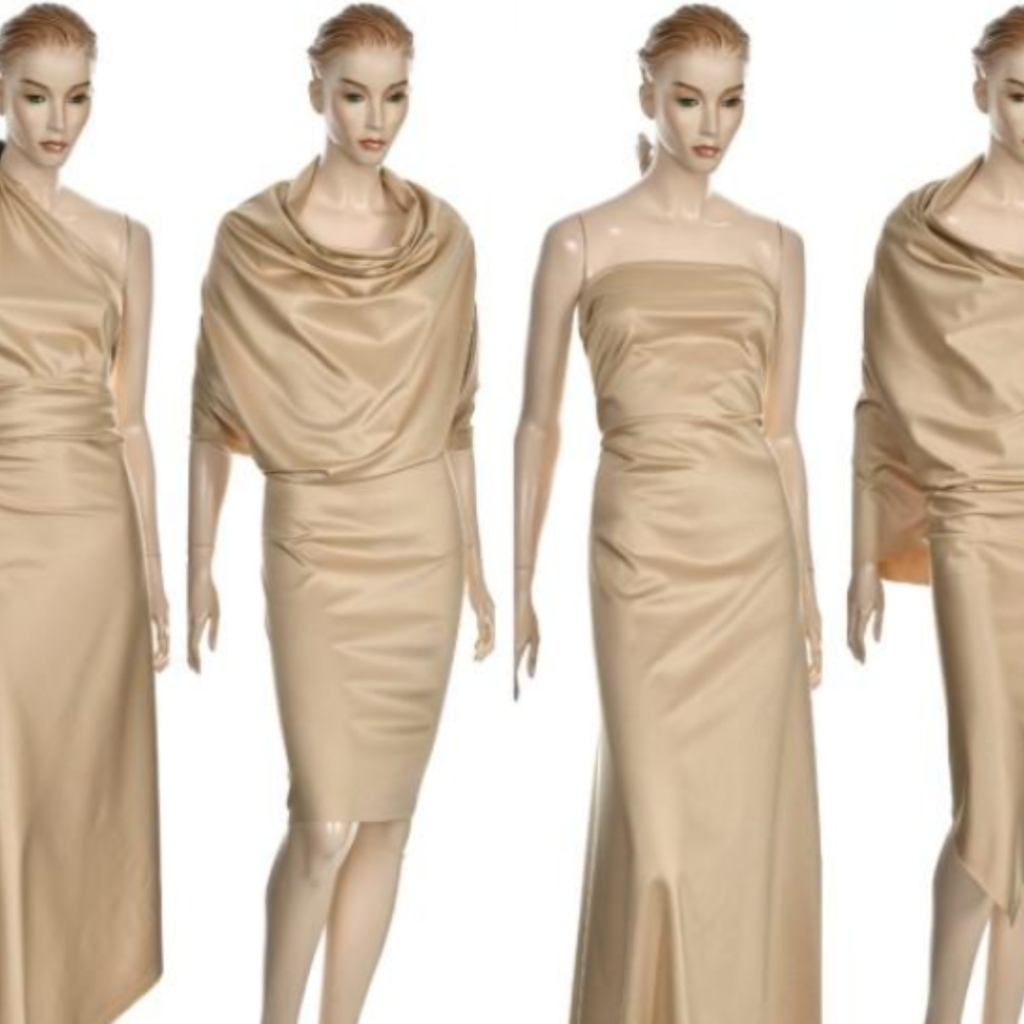
Silk creates luxurious fluidity.
Linen offers relaxed movement with characteristic texture.
Polyester varies depending on manufacturing techniques.
Wool combines structure with softness.
Understanding Why Fabric Drape Changes an Outfit requires appreciating how fiber composition influences comfort, flexibility, durability, and appearance.
Material selection determines garment performance.
Fibers shape visual identity.
Textiles influence everyday wearability.
Fabric Drape and Body Proportions
Drape influences how clothing interacts with different body shapes.
Soft fabrics gently skim natural curves while avoiding excessive bulk. Highly structured materials emphasize body architecture more distinctly.
Choosing suitable drape helps balance proportions naturally.
This explains Why Fabric Drape Changes an Outfit so dramatically even when garment patterns remain identical.
Appropriate drape enhances confidence.
Balanced silhouettes improve overall appearance.
Fashion supports individuality.
Comfort strengthens style.
The Relationship Between Drape and Garment Design
Fashion designers rarely choose fabrics randomly.
Every design begins by considering how fabric behavior supports the intended silhouette. A flowing maxi dress requires completely different textiles than a sharply tailored blazer.
The principle behind Why Fabric Drape Changes an Outfit reflects thoughtful collaboration between creative vision and technical construction.
Successful garments combine pattern design with appropriate fabric selection.
Design and material work together.
Construction influences final appearance.
Creativity begins with understanding textiles.
Fabric Drape and Comfort
Appearance alone cannot determine successful clothing.
Comfort remains equally important because uncomfortable garments often reduce confidence regardless of visual appeal.
Softly draped fabrics frequently allow greater movement while adapting naturally to body motion. Stiffer materials provide structure but may restrict flexibility if selected inappropriately.
Understanding Why Fabric Drape Changes an Outfit includes recognizing how fabric influences physical comfort throughout daily activities.
Comfort improves confidence.
Movement enhances wearability.
Practical fashion supports everyday life.
Seasonal Fabric Choices
Weather conditions strongly influence fabric selection.
Lightweight fabrics with graceful drape remain popular during spring and summer because they encourage airflow while reducing heat retention.
Heavier materials become more practical during colder months by providing insulation and structure.
Seasonal awareness strengthens understanding of Why Fabric Drape Changes an Outfit because environmental conditions affect both comfort and appearance.
Climate influences textile performance.
Seasonal styling improves practicality.
Thoughtful choices create balanced wardrobes.
Fabric Drape in Formal Wear
Formal fashion often depends heavily upon elegant drape.
Evening gowns, wedding dresses, luxury suits, cocktail dresses, and ceremonial attire frequently rely upon premium fabrics capable of creating refined movement.
Silk, satin, crepe, velvet, chiffon, and organza each produce distinctive visual effects depending upon garment construction.
The sophistication associated with Why Fabric Drape Changes an Outfit becomes especially visible within luxury fashion.
Elegant fabrics create memorable impressions.
Movement communicates refinement.
Quality supports timeless style.
Casual Fashion and Everyday Drape
Everyday clothing also benefits from thoughtful fabric selection.
T-shirts, jeans, blouses, skirts, casual dresses, and trousers all rely upon balanced drape to achieve comfortable, attractive styling.
Relaxed cotton, modal, jersey, rayon, and linen fabrics often provide ideal combinations of softness and practicality.
Understanding Why Fabric Drape Changes an Outfit helps shoppers identify clothing suitable for regular use rather than selecting garments based only on appearance.
Daily comfort matters.
Versatility strengthens wardrobes.
Practical elegance remains timeless.
Sustainable Fashion and Fabric Quality
Modern consumers increasingly appreciate clothing lasting beyond temporary trends.
Higher-quality fabrics frequently maintain drape better after repeated washing while preserving garment appearance for longer periods.
Sustainability connects naturally with Why Fabric Drape Changes an Outfit because durable textiles reduce unnecessary clothing replacement.
Responsible purchasing benefits both wardrobes and environmental sustainability.
Quality supports longevity.
Thoughtful consumption creates lasting value.
Fashion becomes more meaningful.
Caring for Fabric Drape
Proper garment care helps preserve original drape.
Incorrect washing temperatures, excessive drying, harsh chemicals, or poor storage may gradually alter fabric behavior.
Following care instructions maintains movement, softness, structure, and appearance throughout the garment’s lifespan.
Maintaining textiles properly reinforces Why Fabric Drape Changes an Outfit because fabric performance depends partly upon ongoing care.
Maintenance preserves beauty.
Attention extends garment life.
Care protects investment.
Common Mistakes When Choosing Fabrics
Many shoppers purchase clothing based solely on color, pattern, or price while overlooking fabric characteristics.
Ignoring drape often results in garments that appear attractive on hangers but feel uncomfortable or unflattering when worn.
Understanding Why Fabric Drape Changes an Outfit encourages evaluating movement, flexibility, texture, and silhouette before making purchasing decisions.
Informed shopping improves wardrobe quality.
Observation strengthens style choices.
Knowledge supports better investments.
Fashion Designers and Fabric Testing
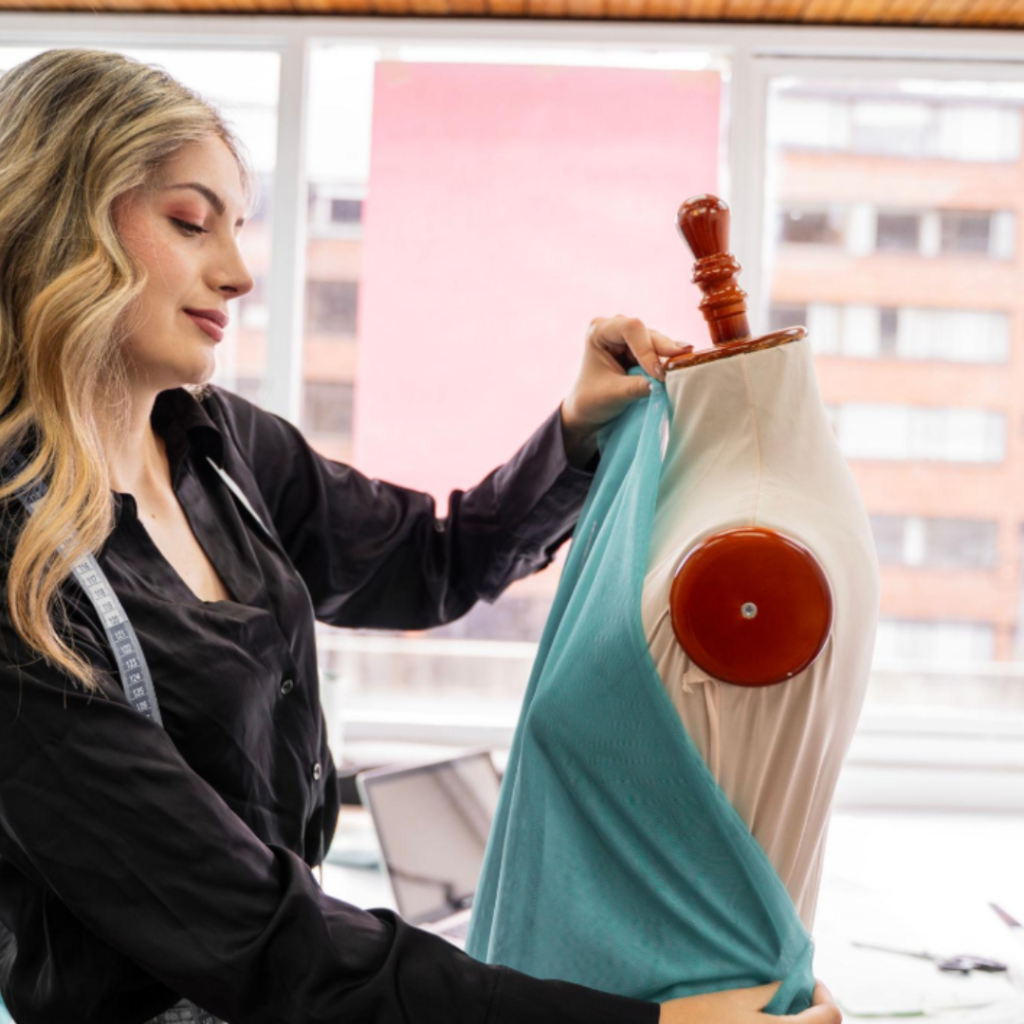
Professional designers frequently test fabrics before creating final garments.
Small samples help evaluate movement, folding, structure, transparency, wrinkle resistance, and overall behavior.
Fabric testing supports creative decision-making while ensuring successful garment construction.
This professional practice further demonstrates Why Fabric Drape Changes an Outfit so significantly.
Design begins with experimentation.
Textiles influence creative outcomes.
Preparation improves craftsmanship.
Future Innovations in Fabric Drape
Textile technology continues advancing rapidly.
Smart fabrics, sustainable fibers, recycled materials, moisture-responsive textiles, biodegradable fabrics, and digitally engineered materials increasingly influence fashion design.
Future innovations will further expand possibilities surrounding Why Fabric Drape Changes an Outfit by combining environmental responsibility with enhanced performance.
Innovation strengthens fashion.
Technology supports sustainability.
Creative possibilities continue growing.
Conclusion
Understanding Why Fabric Drape Changes an Outfit reveals one of fashion’s most important yet often overlooked principles. Fabric drape determines how clothing moves, fits, flows, and interacts with the body, influencing elegance, comfort, confidence, and overall style. Whether choosing a flowing evening dress, structured blazer, casual shirt, tailored trousers, or everyday wardrobe essentials, selecting fabrics with appropriate drape transforms ordinary garments into visually balanced and highly wearable pieces. Designers rely on this principle to create clothing that not only looks attractive but also performs beautifully throughout everyday life.
As you continue exploring Why Fabric Drape Changes an Outfit, remember that thoughtful fabric selection is just as important as color, pattern, or garment design. Understanding textile behavior helps you build a wardrobe that combines style with practicality, supports comfort throughout every season, and enhances your personal fashion identity. By appreciating how fabric weight, texture, fiber composition, and movement influence clothing, you can make more confident purchasing decisions and enjoy garments that remain elegant, functional, and timeless for years to come.