
How Fashion Trends Create Choice Overload
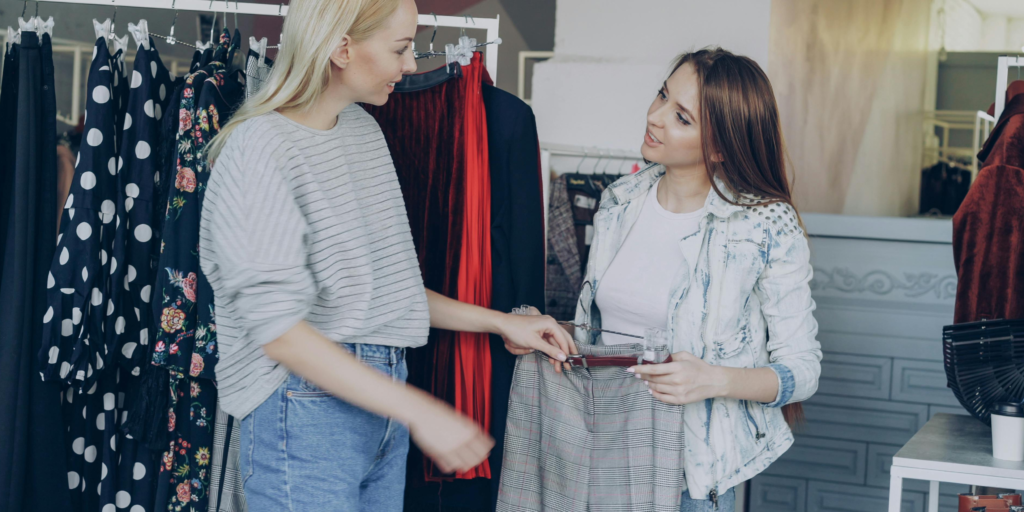
Modern fashion has never offered more variety than it does today. With thousands of clothing brands, endless online stores, daily trend updates, social media inspiration, influencer recommendations, and fast-changing seasonal collections, consumers are surrounded by an overwhelming number of style options. While having choices may seem beneficial at first, too many choices often create an unexpected problem. Instead of making shopping easier, excessive options can make decisions more difficult.
This phenomenon is known as choice overload in fashion. It occurs when consumers face so many alternatives that selecting the right clothing becomes mentally exhausting. Rather than feeling excited by endless possibilities, people may feel uncertain, frustrated, confused, or dissatisfied with their decisions.
The connection between fashion trends and consumer behavior has become increasingly complex in the digital age. New trends appear almost daily, encouraging consumers to constantly evaluate what is fashionable, relevant, and worth purchasing. As fashion choices multiply, decision fatigue in fashion becomes more common, influencing shopping habits, wardrobe satisfaction, and personal style development.
Understanding how fashion trends create choice overload provides valuable insight into fashion psychology, shopping behavior, wardrobe decision making, and the growing challenge of navigating an industry built on constant change.
The Modern Fashion Industry Thrives on Endless Choices
Fashion has always evolved, but today’s trend cycle moves faster than ever before. In previous generations, seasonal collections introduced gradual changes that remained relevant for months or even years. Today, social media platforms, online retailers, and digital marketing accelerate trend adoption at remarkable speed.
Consumers are exposed to new colors, silhouettes, aesthetics, fabrics, and styling concepts every day. One week oversized clothing dominates social media feeds. The next week minimalism gains attention. Shortly afterward, vintage influences, luxury-inspired looks, or micro-trends emerge.
This constant flow of new ideas creates a marketplace filled with endless possibilities.
At first glance, variety appears empowering. More choices suggest greater freedom and personal expression. However, fashion consumer psychology reveals that excessive options often produce the opposite effect.
When consumers face too many alternatives, making confident clothing choices becomes increasingly difficult. Instead of clarity, they experience uncertainty.
This uncertainty is one of the primary reasons fashion trends create choice overload.
Why the Human Brain Struggles With Too Many Fashion Choices
The human brain prefers efficiency. Every day, individuals make hundreds of decisions related to work, family, finances, health, and personal responsibilities.
Because mental energy is limited, the brain constantly seeks ways to simplify decision-making.
When shopping for clothing, consumers may encounter hundreds of similar options. A simple search for jeans can produce thousands of results. Even choosing a basic white shirt can involve countless variations in fit, fabric, price, design, and brand.
Too many fashion choices force the brain to process excessive information.
Fashion psychology suggests that decision fatigue in fashion occurs when consumers become mentally overwhelmed by the number of available alternatives. As options increase, comparing them becomes more demanding.
Instead of feeling confident, shoppers often experience hesitation. They worry about selecting the wrong item, missing a better option, or making a regrettable purchase.
This psychological burden explains why greater variety does not always improve satisfaction.
Fashion Trends Constantly Shift Consumer Expectations
One of the most powerful contributors to choice overload in fashion is the rapid evolution of trends.
Fashion trends influence how consumers evaluate clothing choices. As styles change, people begin questioning whether their current wardrobe remains relevant.
A garment that felt fashionable a few months ago may suddenly appear outdated because new trends have gained popularity. Consumers are then presented with additional decisions about whether to keep, replace, or update their clothing.
This continuous cycle creates mental pressure.
Fashion trends and consumer behavior are closely connected because trends introduce uncertainty. Consumers must constantly evaluate which styles align with current fashion movements, personal preferences, and social expectations.
The result is a growing number of decisions that compete for attention.
Over time, this process can make shopping feel exhausting rather than enjoyable.
Social Media Intensifies Fashion Choice Overload
Social media has significantly amplified trend overload in fashion. Platforms such as Instagram, TikTok, Pinterest, and fashion blogs expose users to an endless stream of outfit inspiration.
Every scroll presents new clothing recommendations, styling techniques, trend forecasts, and shopping opportunities.
While this content can inspire creativity, it also creates comparison and confusion.
Consumers are no longer choosing between a few local fashion trends. They are comparing themselves to thousands of styles from around the world.
One influencer promotes minimalist fashion. Another advocates bold statement pieces. A third embraces vintage aesthetics. Each approach appears appealing, creating competing influences.
As a result, clothing choices become more complicated.
Fashion consumer psychology shows that excessive exposure to trends can make individuals less certain about their own preferences. Instead of developing personal style, they continuously evaluate new possibilities.
This constant evaluation contributes directly to choice overload in fashion.

More Options Often Lead to Less Satisfaction
A surprising aspect of decision fatigue in fashion is that having more choices can reduce overall happiness.
Many consumers assume that a larger selection guarantees better outcomes. However, psychological research consistently shows that excessive choice can increase dissatisfaction.
When only a few options are available, consumers make decisions relatively quickly. Once the choice is made, they move forward with confidence.
When hundreds of alternatives exist, uncertainty remains even after purchasing.
People begin wondering whether another item might have been better. They compare their choice with alternatives they did not select. This process can reduce satisfaction even when the purchase itself is perfectly acceptable.
Fashion buying decisions become emotionally complicated because consumers focus not only on what they chose but also on what they rejected.
This pattern explains why choice overload often leads to regret, hesitation, and reduced confidence.
Wardrobe Decision Making Becomes More Difficult
Choice overload does not end after shopping. It follows consumers into their wardrobes.
Many people own far more clothing than previous generations, yet they frequently feel they have nothing to wear.
This contradiction reflects the impact of wardrobe psychology.
A closet filled with countless garments requires ongoing decision-making. Every morning presents numerous possibilities, each requiring evaluation.
Which outfit is appropriate? Which trend feels current? Which combination reflects personal style? Which option creates confidence?
As the number of clothing choices increases, decision-making becomes more demanding.
Wardrobe decision making can create stress, especially when consumers feel pressure to appear fashionable, professional, or socially relevant.
Consequently, many individuals repeatedly wear a small percentage of their wardrobe while ignoring the majority of available options.
Fast Fashion Accelerates Trend Overload
Fast fashion has transformed the relationship between consumers and fashion trends.
Retailers introduce new products at unprecedented speed, encouraging shoppers to view fashion as constantly changing rather than relatively stable.
This rapid turnover creates a sense of urgency. Consumers feel encouraged to stay current with emerging styles, often before fully exploring clothing they already own.
The abundance of affordable options increases purchasing opportunities but also increases complexity.
Fashion shopping behavior becomes increasingly reactive. Instead of buying based on need, consumers respond to trend cycles, promotions, and social influence.
Over time, wardrobes expand while clarity decreases.
The result is a growing disconnect between ownership and satisfaction.
Consumers accumulate more clothing but often feel less certain about their style choices.
The Search for Personal Style Gets Lost
One overlooked consequence of choice overload in fashion is the difficulty of developing a clear personal style.
Personal style emerges through consistency, self-awareness, and experience. However, constant exposure to new trends can interrupt this process.
Consumers may continuously shift between aesthetics rather than identifying what genuinely suits their preferences and lifestyle.
Fashion psychology suggests that excessive options can weaken decision confidence. Instead of trusting their instincts, individuals rely on external validation from trends, influencers, and social approval.
As a result, wardrobes become collections of disconnected purchases rather than reflections of authentic identity.
This challenge highlights how fashion trends create choice overload not only during shopping but also during personal style development.
Why Simplicity Is Becoming More Attractive
As awareness of clothing decision fatigue grows, many consumers are embracing simpler approaches to fashion.
Capsule wardrobes, minimalist fashion, intentional shopping, and wardrobe editing have gained popularity because they reduce unnecessary complexity.
These approaches focus on quality, versatility, and personal relevance rather than constant trend participation.
By limiting choices, consumers often experience greater satisfaction.
Fewer options make clothing decisions easier. Shopping becomes more intentional. Personal style becomes clearer.
Rather than chasing every emerging trend, individuals focus on garments that genuinely support their daily lives.
This shift reflects a growing recognition that freedom does not always come from having more choices. Sometimes it comes from having better choices.
The Emotional Impact of Choice Overload
Beyond shopping behavior, choice overload in fashion can influence emotional well-being.
Constant decision-making consumes mental energy. Repeated uncertainty can create frustration and reduce enjoyment.
Consumers may feel overwhelmed by crowded wardrobes, conflicting trends, and endless shopping recommendations.
Even activities intended to be enjoyable can become mentally draining when too many options compete for attention.
Fashion consumer psychology reveals that people often seek simplicity because it creates clarity and confidence.
Reducing unnecessary choices can improve satisfaction, strengthen personal style, and create a healthier relationship with fashion.
This emotional benefit explains why many individuals eventually move away from trend-driven consumption toward more intentional wardrobe practices.
Conclusion
Understanding how fashion trends create choice overload reveals an important truth about modern consumer behavior. While fashion offers unprecedented variety and creative possibilities, excessive options often create uncertainty, decision fatigue, and reduced satisfaction.
Through fashion psychology, shopping behavior, and wardrobe decision making, it becomes clear that too many fashion choices can overwhelm the human brain. Rapid trend cycles, social media influence, fast fashion, and endless product availability contribute to growing complexity in clothing decisions.
Although variety has advantages, meaningful satisfaction often comes from clarity rather than abundance. Developing personal style, making intentional purchases, and focusing on relevant clothing choices can help reduce the effects of choice overload in fashion.
Ultimately, fashion should inspire confidence, creativity, and self-expression—not confusion and exhaustion. When consumers understand the relationship between fashion trends and consumer behavior, they can navigate modern fashion more thoughtfully and build wardrobes that truly serve their lives.