
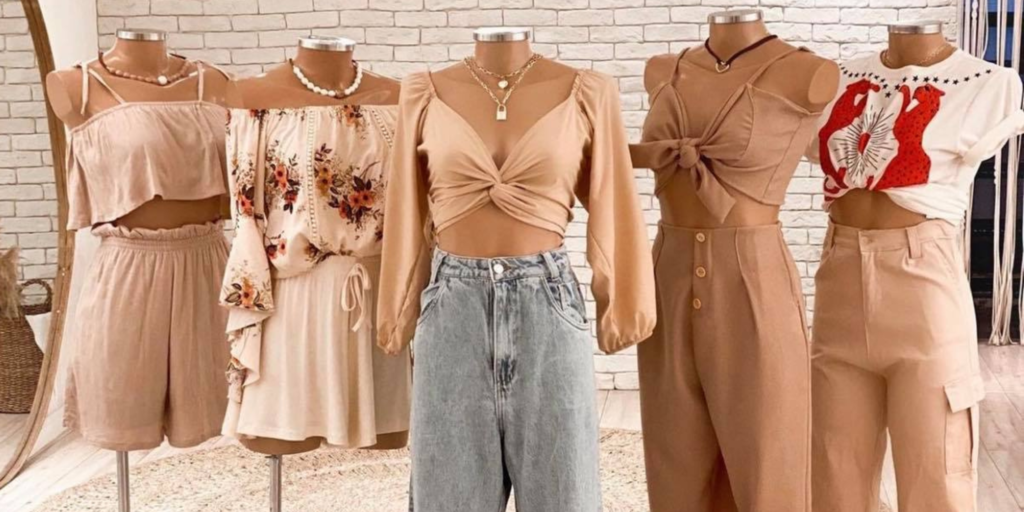
The Growing Obsession with Aesthetic-Based Lifestyles
Introduction
Over the past decade, the concept of an aesthetic lifestyle has transformed from a niche internet trend into a major cultural movement. Whether it is fashion, home decor, travel, fitness, food, or daily routines, people are increasingly organizing their lives around visual themes and carefully curated identities. Social media platforms are filled with images of perfectly arranged workspaces, coordinated wardrobes, minimalist apartments, and highly polished daily routines.
At first glance, aesthetic-based lifestyles appear harmless and even inspiring. They encourage creativity, self-expression, and personal style. Many people find joy in creating beautiful environments and expressing their personalities through visual choices. Aesthetic trends can motivate individuals to organize their spaces, improve their habits, and develop a stronger sense of identity.
However, the growing obsession with aesthetic-based lifestyles raises important questions. When appearance becomes more important than experience, lifestyle choices may begin to revolve around presentation rather than authenticity. The pursuit of visual perfection can sometimes create unrealistic expectations, emotional pressure, and constant comparison.
The rise of aesthetic living reflects a broader shift in modern culture where personal identity is increasingly connected to online visibility. Understanding this trend is important because it influences consumer behavior, mental well-being, social interactions, and personal development in ways many people do not immediately recognize.
The Rise of the Aesthetic Lifestyle Movement
The popularity of aesthetic-based lifestyles did not happen overnight.
Social media platforms created an environment where visual content became one of the most powerful forms of communication. Images and videos often receive more attention than written content, making visual presentation increasingly important.
As a result, specific lifestyle aesthetics began gaining popularity.
Minimalist aesthetics, vintage aesthetics, luxury aesthetics, cottagecore aesthetics, clean girl aesthetics, and countless other lifestyle trends emerged online.
People became attracted to these styles because they offered more than visual appeal.
They provided a sense of belonging and identity.
Individuals could align themselves with particular communities and values through aesthetic choices.
Over time, aesthetic living evolved from a design preference into a lifestyle philosophy.
Why Aesthetic-Based Lifestyles Feel So Appealing
One reason aesthetic-based lifestyles have become so popular is that they provide structure in a rapidly changing world.
People often seek ways to express themselves and create a sense of order.
Aesthetic identities offer both.
Choosing a particular aesthetic can make decision-making easier.
It influences clothing, home decor, hobbies, and even daily routines.
This consistency creates a feeling of control and personal coherence.
Additionally, aesthetic lifestyles allow people to communicate aspects of their personality without words.
Visual choices become a form of self-expression.
For many individuals, aesthetic living feels creative, enjoyable, and meaningful.
The appeal lies not only in beauty but also in the sense of identity these lifestyles provide.
The Influence of Social Media Aesthetics
Social media aesthetics have played a major role in shaping modern lifestyle trends.
Platforms such as Instagram, Pinterest, TikTok, and YouTube reward visually appealing content.
Creators who present attractive environments and polished lifestyles often receive greater engagement.
As users consume this content, they begin internalizing visual standards.
Certain aesthetics become associated with success, happiness, productivity, and fulfillment.
People may start believing that achieving a particular look will improve their lives.
This connection between appearance and personal satisfaction drives much of the demand for aesthetic-based lifestyles.
Social media aesthetics often blur the line between inspiration and expectation.
What begins as admiration can gradually become pressure.
When Aesthetic Living Becomes a Form of Comparison
Comparison is one of the most significant challenges associated with aesthetic culture.
Many individuals compare their homes, wardrobes, routines, and lifestyles to carefully curated online images.
The problem is that most online content represents highly edited versions of reality.
Imperfections are removed.
Ordinary moments are excluded.
Only the most visually appealing aspects are presented.
As a result, viewers often compare their everyday experiences to idealized images.
This creates unrealistic expectations.
People may feel dissatisfied with perfectly normal lives because they do not resemble polished online aesthetics.
The comparison cycle can reduce life satisfaction and affect mental well-being.
The Connection Between Aesthetic Identity and Self-Worth
Aesthetic identity can become deeply connected to self-worth.
Many individuals begin viewing their appearance, possessions, and environments as reflections of personal value.
When aesthetic standards are achieved, confidence may increase.
When those standards feel unattainable, self-doubt may emerge.
This creates an unstable foundation for self-esteem.
Personal value becomes linked to external presentation rather than internal qualities.
The challenge is that aesthetic trends constantly evolve.
What feels fashionable today may feel outdated tomorrow.
Building self-worth around changing visual standards often creates ongoing pressure.
A healthier perspective recognizes that identity extends beyond appearance and presentation.
Consumer Behavior in the Age of Aesthetic Trends
Aesthetic-based lifestyles significantly influence consumer behavior.
Many purchasing decisions are now driven by visual appeal rather than practical necessity.
People often buy products because they fit a particular aesthetic identity.
Furniture, clothing, technology accessories, kitchen items, and even books are frequently selected for their visual compatibility.
Lifestyle marketing takes advantage of this behavior.
Brands create products designed to fit popular aesthetics.
Consumers are encouraged to purchase items that help them achieve desired lifestyles.
While there is nothing wrong with enjoying beautiful products, excessive consumption can become problematic.
The pursuit of aesthetic perfection may encourage unnecessary spending and material accumulation.
The Pressure of Maintaining a Curated Lifestyle
Creating an aesthetic lifestyle is one thing.
Maintaining it is another.
Many people underestimate the effort required to sustain highly curated environments and routines.
Perfectly organized spaces require constant maintenance.
Fashionable wardrobes require regular updates.
Content creators often invest significant time and resources into producing visually appealing lifestyles.
For ordinary individuals, trying to replicate these standards can become exhausting.
The pressure to maintain appearances may outweigh the enjoyment of the lifestyle itself.
Instead of enhancing well-being, aesthetic living can become another source of stress and obligation.
Mental Well-Being and Visual Perfection
Mental well-being is closely connected to expectations.
When people believe they must maintain flawless lifestyles, emotional pressure often increases.
Visual perfection is difficult to achieve consistently because real life is naturally unpredictable.
Homes become messy.
Schedules become disrupted.
Unexpected challenges arise.
Individuals who equate happiness with visual perfection may struggle during these moments.
The gap between reality and expectation creates frustration.
Mental well-being improves when people allow room for flexibility, imperfection, and authenticity.
Life becomes more enjoyable when experiences matter more than appearances.
The Positive Side of Aesthetic-Based Lifestyles
Despite these challenges, aesthetic-based lifestyles are not inherently negative.
Many people benefit from the creativity and inspiration they provide.
Aesthetic living can encourage organization, mindfulness, and intentional decision-making.
Creating pleasant environments often improves comfort and productivity.
Personal style can enhance confidence and self-expression.
Aesthetic communities also provide opportunities for connection and shared interests.
The key is balance.
Aesthetic choices become beneficial when they support personal values rather than replace them.
Beauty can enrich life when it complements authenticity rather than competing with it.

Finding Authenticity in a Visual Culture
Authenticity is becoming increasingly important in a world dominated by visual culture.
People often feel pressure to present idealized versions of themselves online.
However, genuine fulfillment usually comes from alignment between appearance and reality.
Authentic living means making choices based on personal preferences rather than external expectations.
It involves appreciating aesthetics without becoming controlled by them.
Individuals who embrace authenticity often experience greater confidence because their identities are not dependent on constant validation.
Visual culture does not need to be rejected.
Instead, it can be approached with awareness and perspective.
Redefining What Makes a Lifestyle Meaningful
A meaningful lifestyle is not determined solely by appearance.
Relationships, experiences, creativity, personal growth, health, and emotional well-being all contribute to fulfillment.
Aesthetic elements can enhance these aspects of life, but they should not replace them.
When people focus exclusively on visual perfection, they risk overlooking deeper sources of satisfaction.
A beautiful environment can support happiness, but it cannot create lasting fulfillment on its own.
Meaningful living requires balance between external presentation and internal well-being.
Conclusion
The growing obsession with aesthetic-based lifestyles reflects broader changes in social media culture, consumer behavior, and personal identity. Aesthetic living offers creativity, inspiration, and opportunities for self-expression, making it appealing to millions of people worldwide.
However, when aesthetic lifestyles become linked to self-worth, comparison, or unrealistic expectations, challenges begin to emerge. Social media aesthetics, visual perfection, and lifestyle marketing can create pressure that affects mental well-being and life satisfaction.
The healthiest approach is not rejecting aesthetics but embracing them thoughtfully. Beauty, style, and visual creativity can enrich life when they support authenticity rather than replace it.
Ultimately, the most meaningful lifestyle is not the one that looks perfect online. It is the one that reflects personal values, genuine happiness, emotional well-being, and a sense of purpose. When aesthetics enhance life instead of defining it, they become a source of inspiration rather than pressure.