
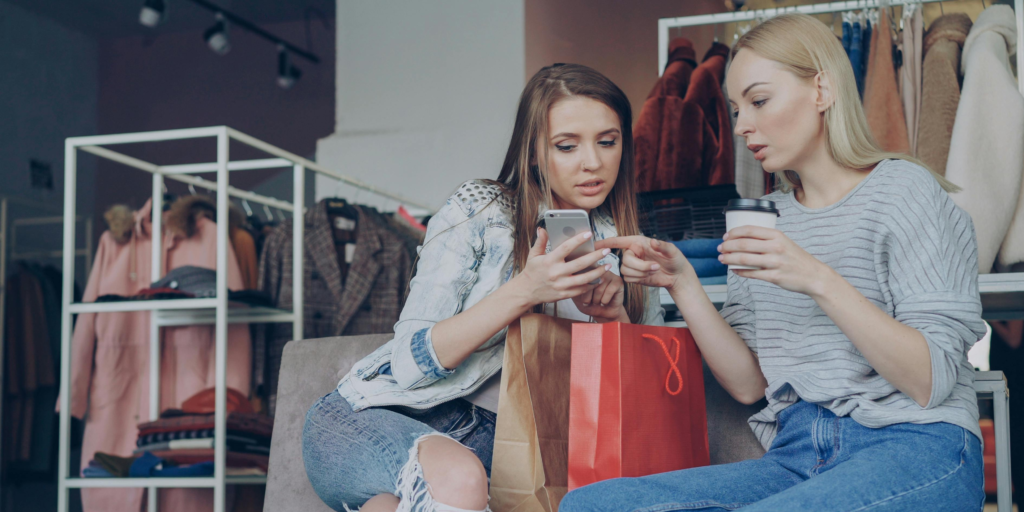
Fashion has always evolved through culture, music, celebrities, and society. However, social media completely transformed the way fashion trends are created, shared, and consumed worldwide.
Platforms like Instagram, TikTok, Pinterest, and YouTube have made fashion more accessible than ever before. Today, trends spread globally within hours, influencers shape buying behavior, and everyday people can become fashion icons online.
Social media has changed not only how people dress but also how they discover trends, build personal style, shop for clothing, and express individuality.
In this guide, you’ll learn how social media transformed modern fashion trends, influenced consumer behavior, and reshaped the global fashion industry.
Fashion Before Social Media
Before social media, fashion trends mainly came from:
- Fashion magazines
- Runway shows
- Celebrities
- Television
- Luxury brands
Trends moved slowly and often took months or years to spread worldwide.
Fashion inspiration was less accessible to everyday people.
How Social Media Changed Fashion
Social media made fashion:
- Faster
- More accessible
- More visual
- More trend-driven
- More personalized
Anyone with a smartphone can now:
- Share outfits
- Discover trends
- Build audiences
- Influence fashion culture
Fashion became more democratic and interactive.
The Rise of Fashion Influencers
One of the biggest social media impacts on fashion is the rise of influencers.
Who Are Fashion Influencers?
Fashion influencers are creators who share:
- Outfit inspiration
- Styling tips
- Fashion trends
- Shopping recommendations
- Lifestyle content
Influencers now shape fashion trends similarly to celebrities.
Why Influencers Became Powerful
People trust relatable creators more than traditional advertising.
Influencers often appear:
- Authentic
- Accessible
- Trend-aware
- Lifestyle-focused
This changed how brands market fashion products.
Instagram’s Influence on Fashion
Instagram became one of the biggest fashion platforms globally.
Why Instagram Changed Fashion
Instagram focuses heavily on:
- Visual aesthetics
- Outfit photography
- Personal branding
- Lifestyle presentation
Fashion became more image-driven than ever before.
Popular Instagram Fashion Trends
- Neutral aesthetics
- Minimal fashion
- Streetwear
- Monochrome outfits
- Luxury-inspired styling
Instagram strongly influenced minimalist fashion culture.
TikTok and Viral Fashion Trends
TikTok accelerated fashion trends dramatically.
How TikTok Changed Fashion
TikTok made trends:
- Faster
- Shorter-lived
- Highly viral
Fashion aesthetics can now become global trends within days.
Popular TikTok Fashion Trends
- Oversized streetwear
- Y2K fashion
- Vintage clothing
- Clean girl aesthetic
- Quiet luxury
- Athleisure
TikTok constantly introduces new fashion aesthetics.
Pinterest and Fashion Inspiration
Pinterest became a major source of fashion mood boards and outfit planning.
Why Pinterest Matters in Fashion
Pinterest helps users:
- Save outfit ideas
- Build style inspiration
- Discover color palettes
- Explore aesthetics
It encourages more intentional fashion exploration.
How Social Media Popularized Streetwear
Streetwear became globally dominant partly because of social media exposure.
Streetwear’s Social Media Appeal
Streetwear works well online because it is:
- Visually bold
- Trend-focused
- Easy to personalize
- Influencer-friendly
Platforms helped streetwear move from niche culture into mainstream fashion.
The Growth of Minimalist Fashion Online
Minimal fashion exploded online due to its clean visual aesthetics.
Why Minimal Fashion Performs Well on Social Media
Neutral outfits appear:
- Elegant
- Organized
- Sophisticated
- Luxury-inspired
Minimalist wardrobes became highly aspirational online.
Social Media and Fast Fashion
Social media also increased fast fashion consumption.
Why Fast Fashion Grew Online
Trends now change extremely quickly.
Many consumers feel pressure to:
- Constantly buy new outfits
- Follow viral aesthetics
- Keep up with trends
This increased demand for cheap fast-changing clothing.
Outfit Repetition and Social Pressure
Social media created pressure around constantly wearing new clothes.
Many people became afraid of:
- Repeating outfits
- Wearing basics frequently
- Appearing “outdated”
However, modern minimalist fashion is slowly changing this mindset.
The Rise of Sustainable Fashion Awareness
Interestingly, social media also helped spread awareness about:
- Fast fashion waste
- Ethical production
- Sustainable shopping
- Capsule wardrobes
Many creators now promote:
- Outfit repeating
- Thrifting
- Minimal fashion
- Sustainable wardrobes
Social media both created and challenged overconsumption.
Fashion Trends That Became Popular Through Social Media
Oversized Fashion
Relaxed silhouettes became mainstream online.
Neutral Color Palettes
Minimal neutral outfits dominate fashion feeds.
Athleisure
Comfort-focused fashion gained popularity globally.
Monochrome Styling
Single-color outfits became highly fashionable online.
Vintage and Thrift Fashion
Second-hand clothing became trendy through TikTok and Instagram.
Quiet Luxury
Simple elegant fashion replaced loud logos in many trends.
How Social Media Changed Shopping Habits
Modern consumers increasingly shop based on:
- Influencer recommendations
- Outfit inspiration
- Viral trends
- Aesthetic appeal
Social media transformed shopping into a highly visual experience.
Fashion Microtrends and Short Trend Cycles
One downside of social media is the rise of microtrends.
What Are Microtrends?
Short-lived fashion trends that become popular very quickly and disappear just as fast.
Why Microtrends Are Problematic
They encourage:
- Overconsumption
- Impulse shopping
- Fast fashion waste
Many microtrends last only weeks or months.
How Personal Style Changed Online
Social media increased experimentation with fashion identities.
People now explore:
- Streetwear
- Minimalism
- Vintage aesthetics
- Smart casual fashion
- Gender-neutral fashion
Fashion became more flexible and expressive.
Why Fashion Feels More Accessible Today
Social media removed many barriers in fashion.
People can now:
- Learn styling tips for free
- Discover affordable fashion
- Build outfits creatively
- Explore global trends instantly
Fashion inspiration is no longer limited to luxury industries.
Social Media Fashion Mistakes to Avoid
Blindly Following Trends
Not every trend fits personal style.
Comparing Yourself Constantly
Fashion should feel expressive, not stressful.
Buying Too Many Trendy Pieces
Trendy clothing often becomes outdated quickly.
Ignoring Comfort
Comfort remains essential for confidence.
Copying Instead of Personalizing
Use trends as inspiration, not strict rules.
How to Use Social Media Fashion Positively
Follow Diverse Fashion Creators
Explore different aesthetics and styles.
Save Outfit Inspiration
Build mood boards for personal style development.
Learn Styling Techniques
Social media offers valuable fashion education.
Focus on Timeless Basics
Combine trends with versatile wardrobe essentials.
Develop Your Own Identity
Personal style matters more than viral trends.
The Future of Fashion and Social Media
Fashion will likely continue becoming:
- More digital
- More personalized
- More trend-driven
- More community-focused
However, many consumers are now moving toward:
- Sustainable fashion
- Minimal wardrobes
- Timeless basics
- Intentional shopping
The future may balance creativity with responsibility.
Final Thoughts
Social media completely transformed modern fashion by making trends faster, fashion more accessible, and personal style more visible worldwide. Platforms like Instagram, TikTok, and Pinterest changed how people discover trends, shop for clothing, and express themselves through style.
While social media created some unhealthy fashion pressures, it also opened the door for creativity, individuality, and global fashion inspiration.
The key is learning how to use social media as inspiration without losing your own identity.
Fashion trends will always evolve, but authentic personal style remains timeless.
Frequently Asked Questions
How did social media change fashion?
Social media made fashion trends spread faster and allowed influencers to shape global style trends.
Which social media platform influences fashion the most?
Instagram and TikTok currently have the biggest influence on fashion trends.
What are fashion microtrends?
Microtrends are short-lived viral fashion trends that gain popularity quickly online.
Did social media increase fast fashion?
Yes, social media accelerated trend cycles and increased fast fashion consumption.
Can social media help improve personal style?
Yes, social media can provide outfit inspiration, styling tips, and fashion education when used positively.