
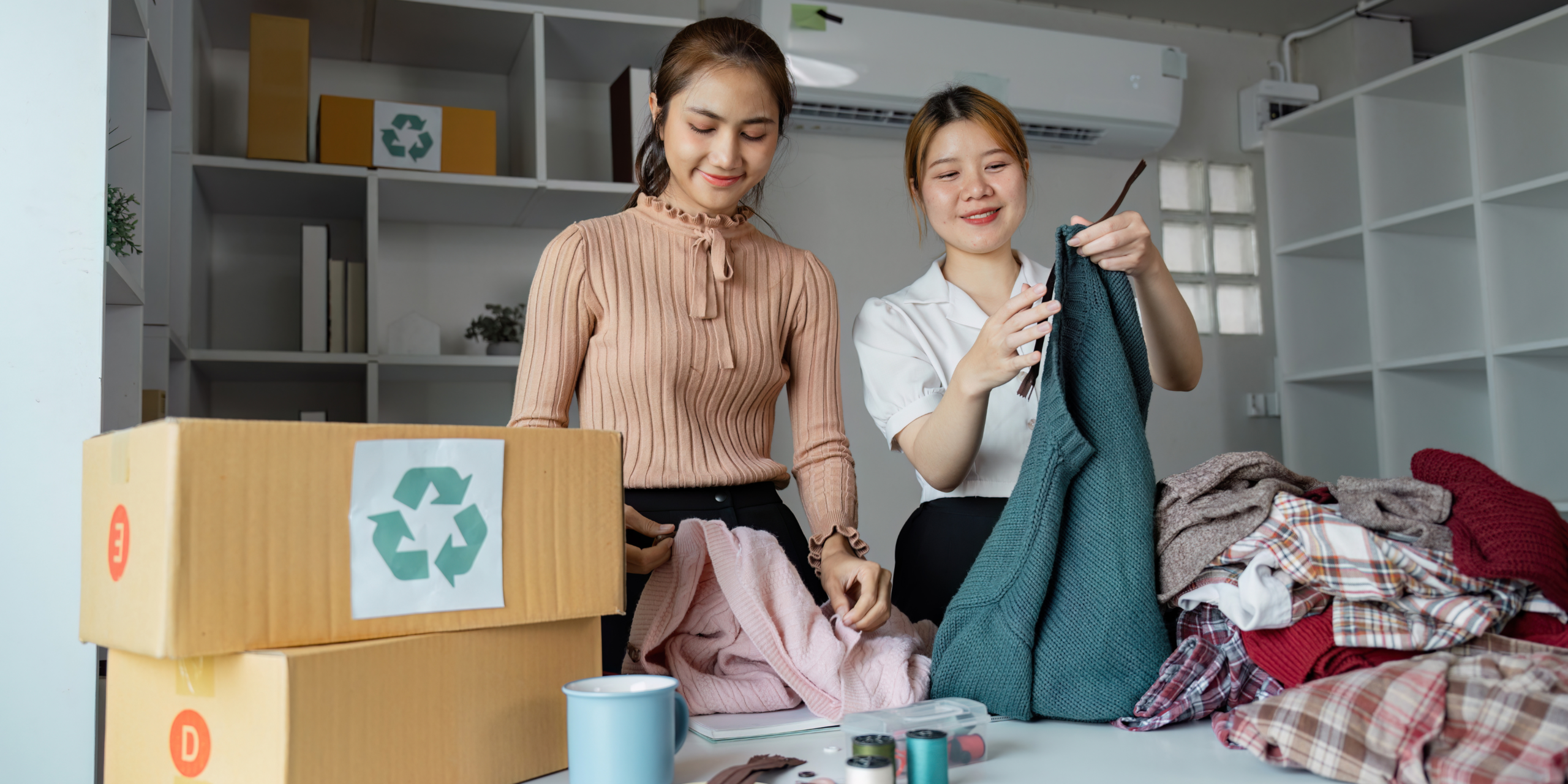
Fashion is one of the biggest industries in the world, influencing trends, culture, and personal style. However, behind fast-changing fashion trends and low-cost clothing lies a growing environmental problem. Fast fashion has created massive waste, pollution, and overconsumption, leading more people to rethink the way they shop and dress.
This shift has led to the rise of sustainable fashion — a movement focused on ethical production, eco-friendly materials, better clothing quality, and mindful shopping habits.
Today, sustainable fashion is no longer just a niche trend. It has become a global conversation about reducing waste, improving working conditions, and building wardrobes that prioritize quality over quantity.
In this guide, you’ll learn what sustainable fashion means, why it matters, how fast fashion affects the environment, and practical ways to build a more eco-friendly wardrobe without sacrificing style.
What Is Sustainable Fashion?
Sustainable fashion refers to clothing and fashion practices designed to reduce environmental and social harm.
It focuses on:
- Ethical production
- Eco-friendly fabrics
- Long-lasting clothing
- Reduced waste
- Fair labor practices
- Responsible consumption
The goal is to create fashion that is better for both people and the planet.
What Is Fast Fashion?
Fast fashion is the rapid production of inexpensive trendy clothing designed for quick sales and short-term use.
Fast fashion brands often:
- Produce large quantities quickly
- Follow short-lived trends
- Use low-cost materials
- Encourage overconsumption
While fast fashion makes clothing affordable, it also creates major environmental and ethical concerns.
Why Sustainable Fashion Matters Today
1. Reduces Environmental Waste
Millions of tons of clothing are discarded every year.
Many garments end up in landfills because:
- Trends change quickly
- Clothes are low quality
- Consumers overbuy
Sustainable fashion encourages longer clothing use and less waste.
2. Lowers Pollution
Fashion production can contribute to:
- Water pollution
- Chemical waste
- Carbon emissions
Eco-friendly production methods help reduce environmental damage.
3. Supports Ethical Labor Practices
Some fast fashion factories have poor working conditions and unfair wages.
Sustainable fashion promotes:
- Safer workplaces
- Fair wages
- Better labor standards
Ethical fashion focuses on responsible manufacturing.
4. Encourages Better Shopping Habits
Sustainable fashion teaches people to:
- Buy intentionally
- Choose quality over quantity
- Avoid unnecessary purchases
Mindful shopping reduces waste and saves money long term.
5. Creates Timeless Personal Style
Sustainable fashion often focuses on:
- Neutral colors
- Timeless basics
- Minimal aesthetics
- Versatile pieces
This naturally creates more consistent and stylish wardrobes.
Problems Caused by Fast Fashion
Understanding fast fashion problems helps explain why sustainability matters.
1. Clothing Waste
Many cheap clothes wear out quickly and are thrown away.
Trend-driven fashion increases unnecessary consumption.
2. Poor Fabric Quality
Low-quality fabrics:
- Lose shape faster
- Tear easily
- Fade quickly
This encourages repeated buying.
3. Water Usage
Fashion manufacturing can require huge amounts of water, especially denim production.
4. Synthetic Fabric Pollution
Some synthetic fabrics release microplastics into the environment during washing.
5. Overproduction
Many brands produce far more clothing than consumers actually need.
This increases waste dramatically.
How Sustainable Fashion Is Changing the Industry
Modern fashion is slowly moving toward:
- Slower production cycles
- Better materials
- Timeless collections
- Eco-friendly packaging
- Transparent manufacturing
Consumers are increasingly supporting brands that prioritize sustainability.
Sustainable Fashion Practices You Can Start Today
You do not need to completely replace your wardrobe overnight.
Small changes can make a big difference.
1. Buy Less, Choose Better
Instead of purchasing many low-quality items, focus on versatile essentials.
Better Wardrobe Investments
- Plain t-shirts
- Quality jeans
- Neutral jackets
- Timeless shoes
- Minimal basics
Long-lasting clothing reduces unnecessary shopping.
2. Build a Capsule Wardrobe
Capsule wardrobes promote minimalism and versatility.
Capsule Wardrobe Benefits
- Fewer clothes
- More outfit combinations
- Less waste
- Easier styling
Minimal wardrobes support sustainable fashion naturally.
3. Choose Quality Fabrics
Better fabrics last longer and often feel more comfortable.
Recommended Fabrics
- Organic cotton
- Linen
- Wool
- Recycled materials
- Durable denim
Quality fabrics reduce frequent replacements.
4. Avoid Trend Overconsumption
Not every trend needs to be followed.
Instead, focus on:
- Timeless fashion
- Neutral colors
- Versatile silhouettes
Classic styles remain wearable longer.
5. Take Care of Your Clothes
Proper clothing care increases garment lifespan.
Clothing Maintenance Tips
- Wash carefully
- Avoid excessive drying
- Fold properly
- Repair minor damage
Maintained clothing stays wearable for years.
6. Rewear Clothes Confidently
Repeating outfits is normal and sustainable.
Fashion should not pressure constant new purchases.
Stylish people often rewear basics creatively.
7. Donate or Recycle Unused Clothes
Instead of throwing away clothing:
- Donate usable items
- Recycle textiles responsibly
- Resell good-quality garments
This helps reduce landfill waste.
Why Minimalist Fashion Supports Sustainability
Minimal fashion naturally aligns with sustainable principles because it emphasizes:
- Fewer clothes
- Neutral basics
- Versatility
- Timeless styling
Minimalist wardrobes reduce impulse shopping and trend dependency.
Sustainable Fashion Doesn’t Mean Boring Fashion
Many people assume eco-friendly fashion lacks style.
In reality, sustainable fashion often creates:
- Cleaner aesthetics
- More intentional outfits
- Timeless wardrobes
- Better-quality clothing
Simple fashion can still feel modern and stylish.
Best Sustainable Wardrobe Essentials
Every eco-conscious wardrobe should include:
- Plain t-shirts
- Straight-fit jeans
- White sneakers
- Neutral jackets
- Hoodies
- Overshirts
- Minimal accessories
Versatile basics reduce unnecessary clothing purchases.
How Social Media Influences Sustainable Fashion
Social media has increased awareness about:
- Fast fashion waste
- Ethical shopping
- Minimalist wardrobes
- Capsule fashion
- Outfit repeating
Many creators now promote:
- Slow fashion
- Thrift styling
- Timeless basics
- Sustainable outfit ideas
Sustainable Fashion Trends Growing Worldwide
Neutral Fashion
Neutral colors remain timeless and versatile.
Vintage and Thrift Fashion
Second-hand clothing is becoming increasingly popular.
Capsule Wardrobes
Minimal wardrobes support intentional dressing.
Oversized Timeless Basics
Relaxed basics stay fashionable longer than fast-changing trends.
Common Sustainable Fashion Myths
“Sustainable Fashion Is Too Expensive”
Buying fewer quality pieces often saves money long term.
“You Need to Replace Your Entire Wardrobe”
Sustainability starts with gradual changes.
“Minimal Fashion Is Boring”
Simple outfits can still feel stylish and modern.
“Repeating Outfits Is Bad”
Repeating clothes is normal and environmentally responsible.
Why Fashion Needs to Change
The fashion industry is evolving because consumers are becoming more aware of:
- Waste
- Overconsumption
- Ethical concerns
- Environmental impact
People now want fashion that feels both stylish and responsible.
Final Thoughts
Sustainable fashion matters today because it encourages smarter shopping, reduces waste, supports ethical production, and promotes long-term style over short-term trends.
Fashion should not only look good — it should also make responsible choices for the future.
You do not need a perfect eco-friendly wardrobe to start making a difference. Even small changes like buying less, wearing clothes longer, and choosing better-quality basics can have a positive impact.
True style is not about constantly buying more.
It is about wearing what you own with confidence, intention, and care.
Frequently Asked Questions
What is sustainable fashion?
Sustainable fashion focuses on eco-friendly materials, ethical production, and reducing clothing waste.
Why is fast fashion harmful?
Fast fashion contributes to waste, pollution, overproduction, and poor labor conditions.
How can I start dressing more sustainably?
Buy fewer quality pieces, repeat outfits confidently, and focus on timeless basics.
Are capsule wardrobes sustainable?
Yes, capsule wardrobes reduce unnecessary shopping and promote versatile styling.
Can sustainable fashion still look stylish?
Absolutely. Minimal and timeless fashion often creates the most stylish outfits.