
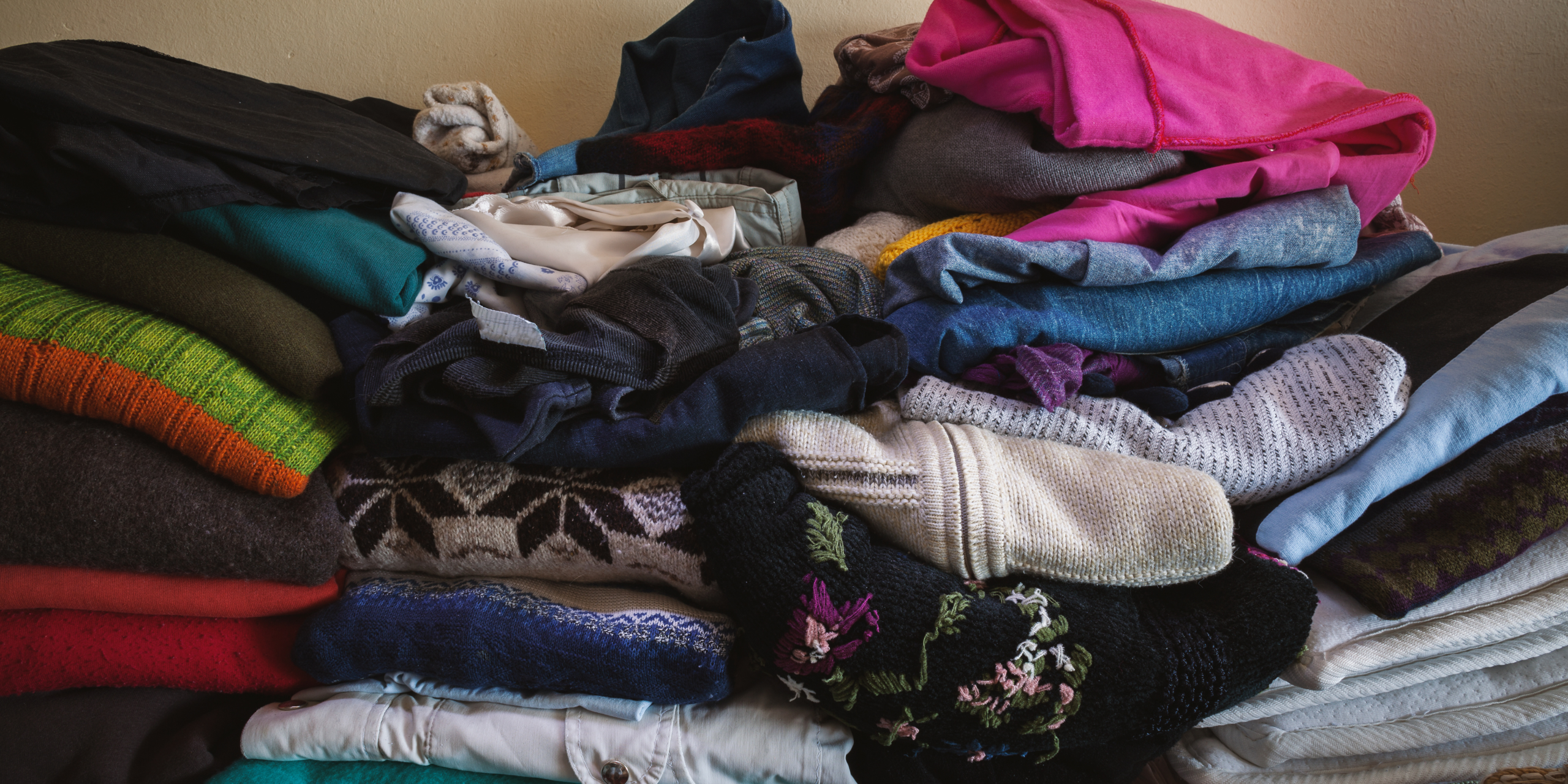
Many people believe they need to constantly buy new clothes to stay fashionable. However, true style is not about owning the biggest wardrobe — it’s about knowing how to style what you already have.
Modern fashion trends are moving toward minimalism, sustainability, and versatile wardrobes. Fashion lovers worldwide are learning how to create stylish outfits using simple basics, smart layering, and better outfit coordination instead of endless shopping.
The truth is that most people already own enough clothing to create dozens of fashionable outfits. The key is understanding how to combine pieces creatively while focusing on fit, colors, and presentation.
In this guide, you’ll learn practical ways to dress stylish every day without buying new clothes while improving your overall fashion sense and wardrobe versatility.
Why You Don’t Need Constantly New Clothes
Fashion today values:
- Simplicity
- Creativity
- Timeless style
- Personal expression
- Versatility
Many stylish people repeat clothing regularly but style pieces differently each time.
The goal is not to own more clothes — it’s to maximize the potential of the clothes you already have.
Benefits of Styling Existing Clothes
1. Saves Money
You avoid unnecessary fashion spending.
2. Reduces Wardrobe Clutter
Owning fewer versatile pieces creates a cleaner wardrobe.
3. Improves Creativity
You learn how to combine outfits differently.
4. Supports Sustainable Fashion
Wearing existing clothes reduces fast fashion waste.
5. Builds Personal Style
You become less dependent on trends and more confident in your own style.
Step 1: Organize Your Wardrobe Properly
The first step to dressing better is understanding what you already own.
Remove Unnecessary Clothing
Take out:
- Damaged clothes
- Poorly fitted items
- Pieces you never wear
- Uncomfortable clothing
This helps you focus on useful wardrobe essentials.
Group Clothes by Category
Organize:
- T-shirts
- Hoodies
- Jackets
- Jeans
- Trousers
- Shoes
- Accessories
A clean wardrobe makes styling easier.
Step 2: Build Outfits Around Basics
Basics are the foundation of fashionable everyday outfits.
Essential Basic Pieces
Plain T-Shirts
Best colors:
- White
- Black
- Grey
- Beige
Straight-Fit Jeans
Timeless and versatile.
Neutral Hoodies
Comfortable and stylish.
White Sneakers
Work with almost every outfit.
Oversized Shirts
Perfect for layering.
Basic clothing creates endless outfit possibilities.
Step 3: Learn Simple Layering
Layering is one of the easiest ways to make outfits look new and fashionable.
Easy Layering Ideas
T-Shirt + Overshirt
Simple but stylish.
Hoodie + Coat
Perfect for winter fashion.
T-Shirt + Denim Jacket
Classic timeless combination.
Sweater + Long Coat
Creates elegant layered aesthetics.
Layering adds depth and visual interest to outfits.
Step 4: Focus on Color Coordination
Good color combinations can completely improve outfit appearance.
Best Neutral Color Combinations
- Black and white
- Beige and cream
- Grey and white
- Olive and black
- Navy and beige
Neutral palettes create timeless and clean aesthetics.
Styling Rule
Avoid combining too many bright colors together.
Simple color coordination usually looks more stylish.
Step 5: Prioritize Proper Fit
Fit matters more than buying new trendy clothes.
Common Fit Problems
- Clothes that are too tight
- Oversized pieces without structure
- Incorrect pant length
- Poor shoulder fitting
Style Tip
Choose balanced silhouettes:
- Relaxed but clean
- Comfortable but structured
Well-fitted basics always look better.
Step 6: Use Accessories Strategically
Accessories can completely transform basic outfits.
Best Minimal Accessories
- Watches
- Sunglasses
- Chains
- Rings
- Crossbody bags
- Caps
Accessories create fresh outfit details without needing new clothes.
Step 7: Keep Shoes Clean
Footwear strongly affects overall appearance.
Dirty shoes can make good outfits look careless.
Best Everyday Shoe Options
- White sneakers
- Black sneakers
- Minimal loafers
- Boots
Clean shoes instantly improve simple outfits.
Step 8: Create Multiple Outfits From One Piece
Versatility is the secret to stylish dressing.
Example: One White T-Shirt
Casual Look
- White tee
- Straight jeans
- Sneakers
Smart Casual Look
- White tee
- Blazer
- Black trousers
Streetwear Look
- White oversized tee
- Cargo pants
- Chunky sneakers
One basic item can create completely different aesthetics.
Step 9: Repeat Clothes Confidently
Stylish people repeat clothing all the time.
The difference is:
- Better styling
- Different layering
- New combinations
- Improved accessories
Confidence matters more than constantly new outfits.
Step 10: Take Care of Your Clothes
Clothing maintenance strongly affects fashion appearance.
Clothing Care Tips
- Iron outfits properly
- Fold or hang clothes correctly
- Wash fabrics carefully
- Remove lint and wrinkles
Well-maintained clothes always look more premium.
Best Everyday Outfit Ideas
Minimal Everyday Outfit
Outfit Combination
- White t-shirt
- Black trousers
- White sneakers
Simple and timeless.
Casual Streetwear Look
Outfit Example
- Oversized hoodie
- Cargo pants
- Chunky sneakers
Comfortable and modern.
Smart Casual Outfit
Outfit Combination
- Beige overshirt
- White tee
- Straight-fit jeans
Clean and versatile.
Monochrome Outfit
Outfit Example
- Black hoodie
- Black trousers
- Black sneakers
Monochrome styling creates sophisticated aesthetics.
Fashion Mistakes to Avoid
Buying Clothes Emotionally
Impulse purchases often go unused.
Following Every Trend
Not all trends fit your personal style.
Ignoring Wardrobe Basics
Basics are more important than trendy statement pieces.
Wearing Poorly Maintained Clothes
Wrinkled or damaged clothing reduces outfit quality.
Overcomplicating Outfits
Simple styling often looks cleaner and more fashionable.
Why Minimal Fashion Is Growing
Modern fashion increasingly values:
- Timeless basics
- Versatile wardrobes
- Sustainable fashion
- Comfortable styling
- Simplicity
People now prefer practical fashion over excessive consumption.
How to Make Old Clothes Feel New Again
Try New Layering Combinations
Experiment with different outfit structures.
Add Accessories
Small details refresh outfits instantly.
Wear Pieces Differently
Example:
- Open shirts instead of buttoned
- Hoodies under coats
- T-shirts layered with jackets
Focus on Better Styling
Better coordination often matters more than new clothing.
Build a Signature Style
The most stylish people usually have consistent personal aesthetics.
Popular Fashion Styles
- Minimalist fashion
- Smart casual
- Streetwear
- Neutral fashion
- Scandinavian-inspired style
Consistency creates stronger personal style.
Final Thoughts
You do not need to constantly buy new clothes to look fashionable. In fact, understanding how to style existing wardrobe pieces is one of the most valuable fashion skills you can develop.
By focusing on basics, layering, fit, color coordination, and accessories, you can create stylish outfits every day using clothes you already own.
Fashion is not about quantity — it’s about creativity, confidence, and smart styling.
Sometimes, the best outfits are already hanging in your closet.
Frequently Asked Questions
Can I look stylish without buying new clothes?
Yes, proper styling, layering, and outfit coordination can transform existing clothes.
How do I make basic outfits look fashionable?
Focus on fit, neutral colors, clean shoes, and minimal accessories.
Why is minimalist fashion popular?
Minimal fashion is versatile, timeless, practical, and easy to style.
Do stylish people repeat outfits?
Absolutely. Most fashionable people regularly rewear clothing in different combinations.
What’s the easiest way to improve style?
Improve fit, simplify outfits, and learn basic layering techniques.